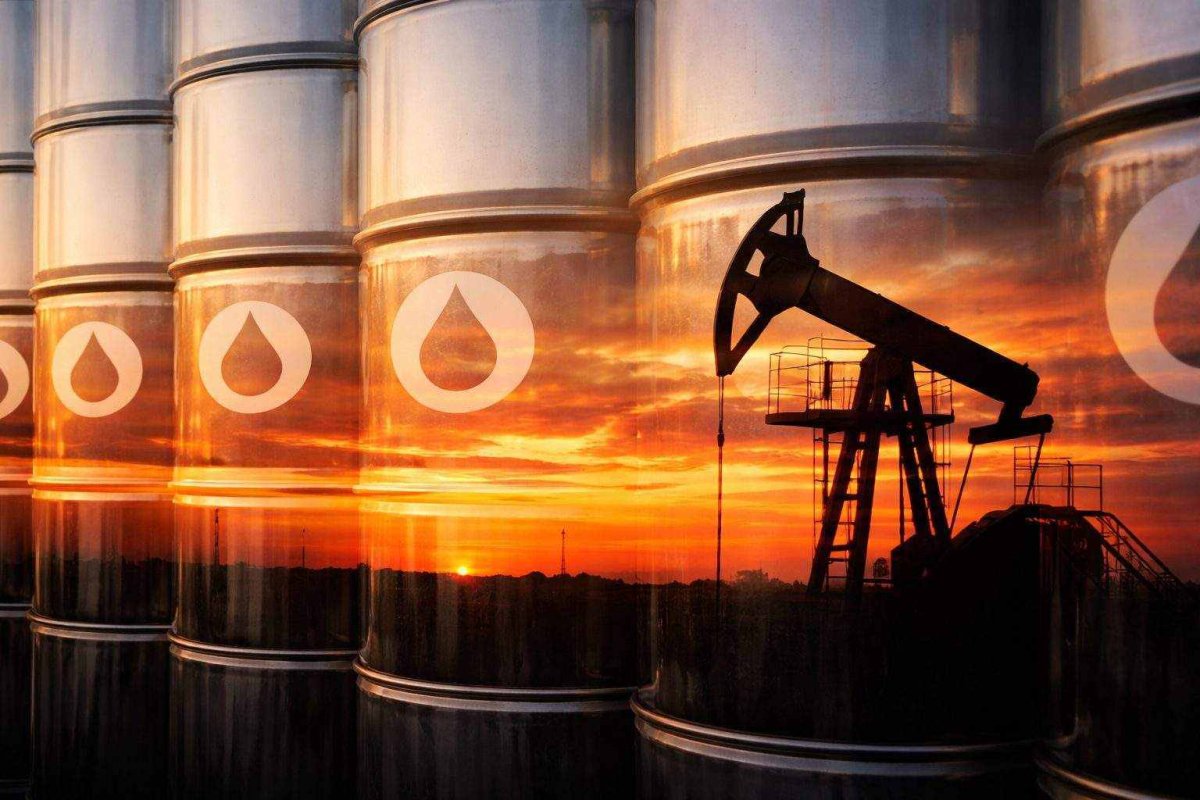
Global energy markets were thrown into turmoil on Thursday as Brent crude futures briefly surged to $112.86 per barrel following a series of coordinated Iranian missile strikes against critical energy facilities across the Persian Gulf. The attacks, which targeted sites in Qatar, Saudi Arabia, and the United Arab Emirates, represent a significant escalation in regional hostilities and have directly impacted the world's oil and liquefied natural gas supply chains.
The immediate catalyst was an earlier strike on Iran's massive South Pars natural gas field, which straddles the maritime border with Qatar. In retaliation, Iranian forces launched precision missiles, inflicting what QatarEnergy described as "extensive damage" to its flagship Ras Laffan LNG export complex. The damage has forced a complete halt to LNG production at the site. Simultaneously, authorities in Abu Dhabi suspended all gas operations at the Habshan facility after successfully intercepting incoming missiles. These disruptions have placed approximately 20% of global LNG supply in jeopardy if the stoppages continue beyond May.
Market analysts immediately sounded the alarm on the potential for a sustained supply crisis. "We are now looking at the risk of a prolonged disruption in oil supplies," warned Phillip Nova analyst Priyanka Sachdeva. The conflict has fundamentally shifted, moving beyond targeting tankers or transit routes to directly assaulting the fixed infrastructure that forms the backbone of global energy exports. Charu Chanana, chief investment strategist at Saxo in Singapore, noted the situation "is now hitting the plumbing of the global energy system," transforming a regional disturbance into a global market shock.
The geopolitical fallout intensified as former U.S. President Donald Trump stated late Wednesday that Israel acted independently in the initial South Pars attack, without U.S. or Qatari involvement. He further warned that Washington would target Iranian installations if Qatar were attacked again. This rhetoric has stoked fears that the conflict could draw in Gulf producers and major export routes more deeply, creating a wider regional conflagration.
With the Strait of Hormuz facing ongoing disruption, forecasts for oil prices have grown increasingly dire. While Brent's all-time high of $147.50, set in 2008, remains a benchmark, analysts are now openly discussing the potential for prices to reach $150 in the near term. Consultancy Wood Mackenzie, cited by Al Jazeera, suggested that $200 per barrel by 2026 is not "outside the realms of possibility." Vandana Hari of Vanda Insights went further, stating $200 is "within sight" for certain Middle Eastern crude grades if the vital Strait remains shut. Not all observers agree, with Marex's Sasha Foss calling the $200 figure "pretty outlandish," citing potential supply increases from the U.S., Canada, Brazil, Argentina, Guyana, and the use of Saudi Arabia's East-West pipeline as alternatives.
The crisis has sent shockwaves through financial markets beyond commodities. Asian equity markets fell, and European futures came under significant pressure. The European Union faces mounting strain, with leaders gathering on Thursday to discuss limited options for cushioning the spike in imported fuel costs. Since the conflict began on February 28, European benchmark gas prices have skyrocketed by over 60%, with gas-dependent nations like Italy, Hungary, and Romania bearing the heaviest burden.
Market structure has been violently reshaped. The premium for Brent crude over U.S. West Texas Intermediate (WTI) blew out to $12.05, its widest gap in over a decade. This makes American barrels increasingly attractive to European buyers despite higher shipping costs. Neil Crosby, an analyst at Sparta Commodities, predicts "more Brent rallies" are ahead, driven primarily by the attacks on physical infrastructure.
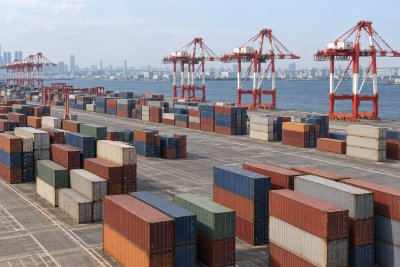
Efforts to establish workarounds are emerging but remain nascent. White House economic adviser Kevin Hassett noted that some tankers have begun to "dribble through" the Strait of Hormuz. Separately, Iraq is working to restart the Kirkuk-Ceyhan pipeline to Turkey to create an alternative crude export route. The focus for traders is expanding from futures screens to logistical solutions, including a U.N.-supported plan to open a secure corridor for merchant ships. This initiative follows hundreds of vessels dropping anchor and roughly 20,000 seafarers being stranded in the Gulf. The implication is clear: oil's next price move may depend as much on the safety of shipping lanes as on any new missile strike.