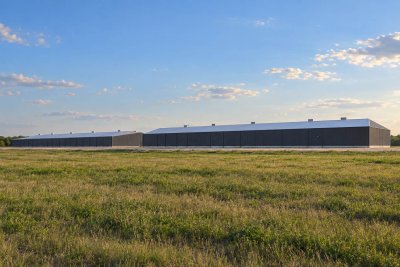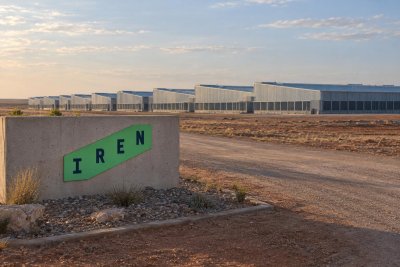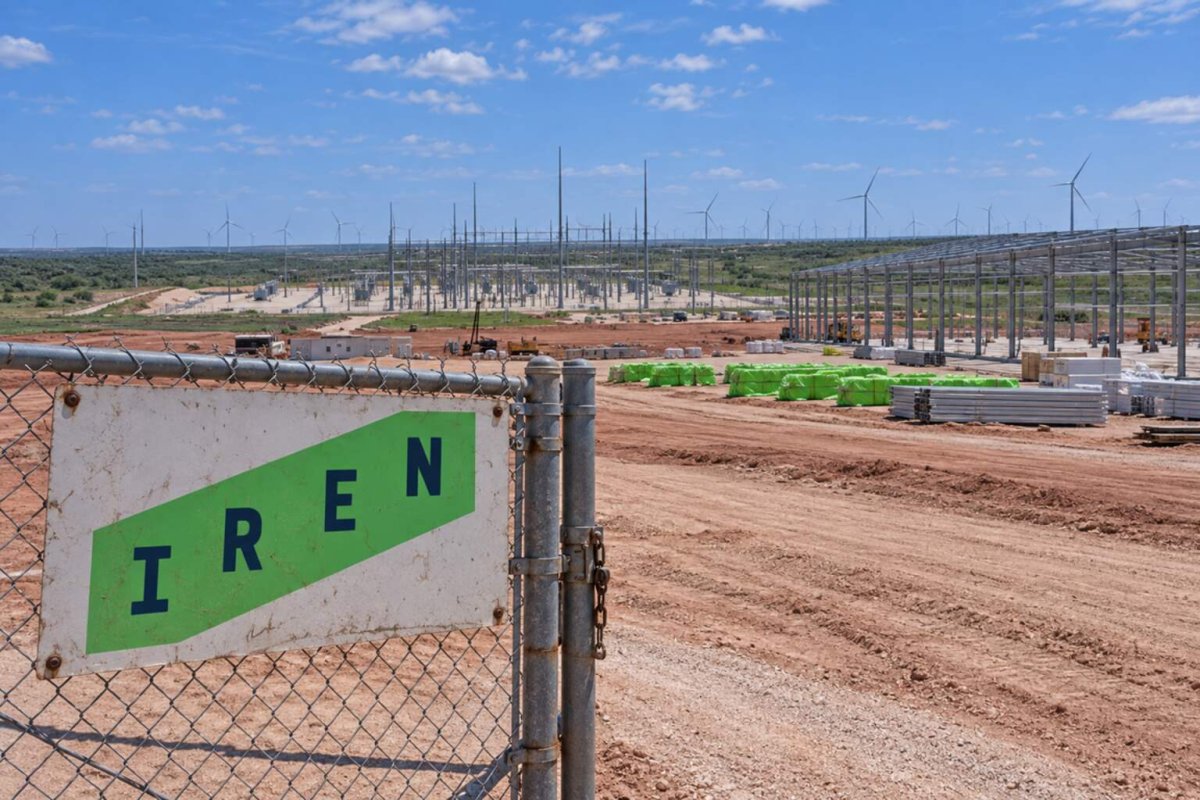
IREN (NASDAQ: IREN) saw its shares retreat 1.9% in Wednesday's premarket trading, dropping to $46.03, as investors digested the implications of the company's latest grid milestone announcement. The pullback gave back a portion of Tuesday's robust 5.0% gain, which had been fueled by optimism surrounding the data-center developer's progress on its 2-gigawatt Sweetwater campus in Texas.
The headline may suggest a major breakthrough, but the reality is more nuanced. Sweetwater has advanced within the Electric Reliability Council of Texas (ERCOT) new large-load interconnection process, specifically within the framework known as 'Batch Zero.' However, this does not equate to an unconditional green light for the full 2 GW of power draw. The classification is conditional, subject to verification and additional regulatory steps.
Understanding Batch Zero and Its Significance
ERCOT's Batch Zero process is a transitional mechanism designed to evaluate the reliability impact of very large electricity consumers collectively, rather than on an individual basis. It applies to facilities with at least 75 MW of demand, allowing the grid operator to assess aggregate load, allocate transmission capacity, and identify necessary infrastructure upgrades.
For IREN, inclusion in Batch Zero is a positive step, as it keeps the Sweetwater projects on a path that could eventually convert land and an energized substation into operational data-center capacity. Specifically, Sweetwater 1 (1,400 MW) and Sweetwater 2 (600 MW) have been conditionally included as base load in the process.
The Conditional Nature of the Approval
Conditional is the key term here. According to an ERCOT market notice dated September 3, classifications within Batch Zero can remain subject to verification, corrections to dynamic-model data, or a good-cause exception from Texas regulators. If IREN fails to provide required eligibility materials, its projects could be unable to interconnect until a future study cycle.
IREN also mentioned that other pipeline projects have entered Batch Zero, but the company will only add them to its announced development portfolio after grid-connection agreements are signed. This disclosure serves as a prudent guardrail for investors, signaling that inclusion is evidence of progress but not a guarantee of contracted capacity or an operating asset.
The 300 MW Reality Check
The most tangible aspect of the announcement pertains to Sweetwater 1. Its high-voltage substation was energized earlier this year, and construction is ongoing for 300 MW of gross data-center capacity targeted for delivery in the fourth quarter of 2027. This initial build represents only 15% of the headline 2 GW campus.
This gap is central to understanding the stock's movement. Power rights and substations have become increasingly valuable in the AI infrastructure race, but they generate no revenue until buildings, cooling, networking, and compute are fully funded, installed, and accepted by customers. IREN's fiscal-2026 update highlighted a similar distinction: the company reported $4 billion in contracted annual recurring revenue for 2026 capacity, but only $1 billion was operating at the time.
Bull and Bear Perspectives
The bull case is that conditional base-load inclusion reduces one of the hardest-to-replicate risks in IREN's development pipeline. If grid approvals convert and the first 300 MW comes online as scheduled, Sweetwater could validate the company's ability to turn gigawatt-scale access into sellable AI capacity.
The bear case, however, is that transmission conditions, capital requirements, and construction timelines could keep the majority of the 2 GW theoretical for longer than the current valuation suggests. Investors are reminded that Batch Zero is a permitting and interconnection milestone—meaningful, but not revenue and not a blanket approval for the full Sweetwater hub.
Key Signals to Watch
Moving forward, the next concrete indicators will be final ERCOT treatment, executed grid agreements, any required transmission upgrades, customer commitments, and evidence that the Q4 2027 build remains on budget. Until these materialize, the market should view this development as a positive step in a longer journey.