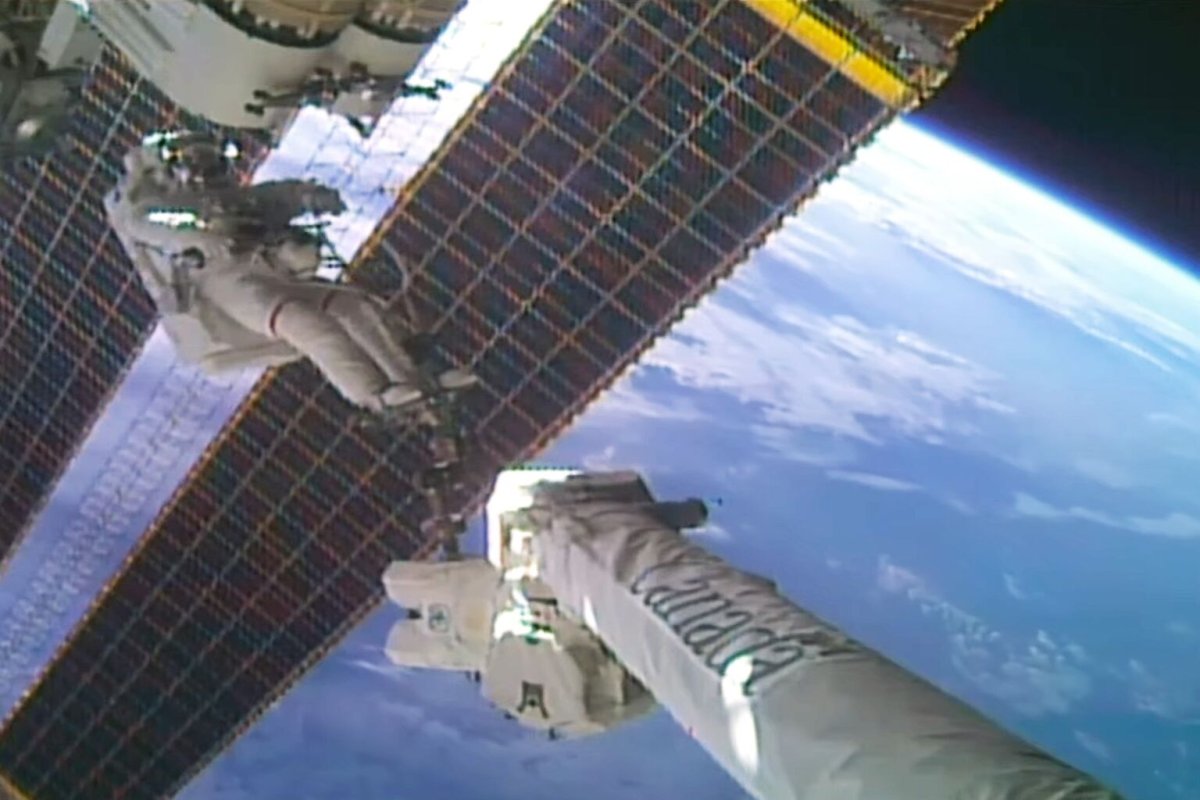
The International Space Station (ISS) took another significant step toward its power modernization goal on October 29, 2026, as astronauts successfully installed the seventh roll-out solar array. The 7-hour, 11-minute spacewalk, conducted by NASA astronaut Anil Menon and Canadian Space Agency astronaut Joshua Kutryk, added the new wing to electrical channel 2A. NASA has confirmed the array's deployment, leaving just one installation remaining to complete the planned upgrade.
The full upgrade is designed to boost the station's total power generation capacity to approximately 215 kilowatts. This figure represents the entire station's capacity, not the output of a single wing. The distinction is important because the new arrays partially shade the older solar panels, meaning simply adding the manufacturer's rated output of each new wing to the legacy system's capacity would overstate the actual combined power.
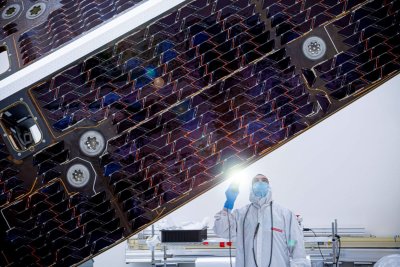
Redwire (NYSE:RDW), the manufacturer of the new arrays, specifies that each wing can generate more than 20 kilowatts. However, NASA's 215-kilowatt target for the whole station is based on a more complex calculation that accounts for the shading effect and the continued operation of the original solar panels. The legacy arrays, which have been in service since December 2000, were originally designed for a 15-year lifespan, and their degradation prompted the upgrade program.
The retrofit strategy preserves the existing sun tracking, power distribution, and electrical channels. The new panels are positioned in front of the older wings, whose exposed cells continue to generate electricity. This arrangement maximizes the use of existing hardware while incorporating newer, more efficient solar cell technology.
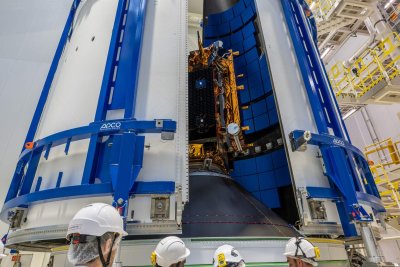
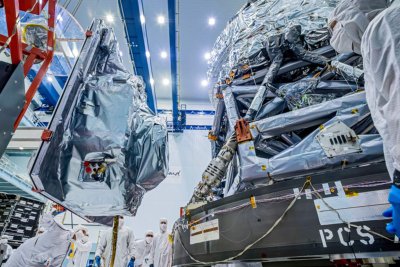
Unlike conventional motor-driven solar arrays, the roll-out design relies on strain energy stored in composite booms to extend its flexible photovoltaic blanket. This innovative approach reduces dependence on motors and complex deployment mechanisms, as detailed in NASA's technology documentation. The technology was first demonstrated on the station in 2017, and six operational arrays were installed between 2021 and 2023. The current mission, which began with the delivery of two additional arrays this month, will bring the total to eight.
The installation process involved the use of the Canadarm2, a 17-meter robotic arm with seven degrees of freedom, which can move both astronauts and equipment. Menon rode the arm to the installation site with the rolled array, while Kutryk traveled along the station's truss to join him. NASA's operations plan for October 28 had assigned astronauts Jessica Watkins and Luke Delaney to operate the arm during the spacewalk.
With the seventh array now in place, the final installation is scheduled for November 5, when Menon and Kutryk will return to install the eighth wing on channel 3B. This next spacewalk will be a critical test of whether the eight-wing upgrade can be completed on schedule. If successful, the station will achieve its full power upgrade target, ensuring adequate power for continued scientific research and operations.
For investors, the ISS power upgrade highlights the ongoing role of private contractors like Redwire in supporting space infrastructure. Redwire, which also designs and tests the arrays under contract with Boeing (NYSE:BA), stands to benefit from continued government and commercial space expenditures. The successful deployment of the latest array underscores the reliability of the technology and the company's capability in delivering advanced space systems.
As the ISS approaches its power upgrade completion, the station's enhanced capabilities will support a wide range of experiments and operations, solidifying its role as a premier orbital laboratory. The upcoming final installation will mark a milestone in the station's long-term sustainability and its continued contribution to scientific discovery.