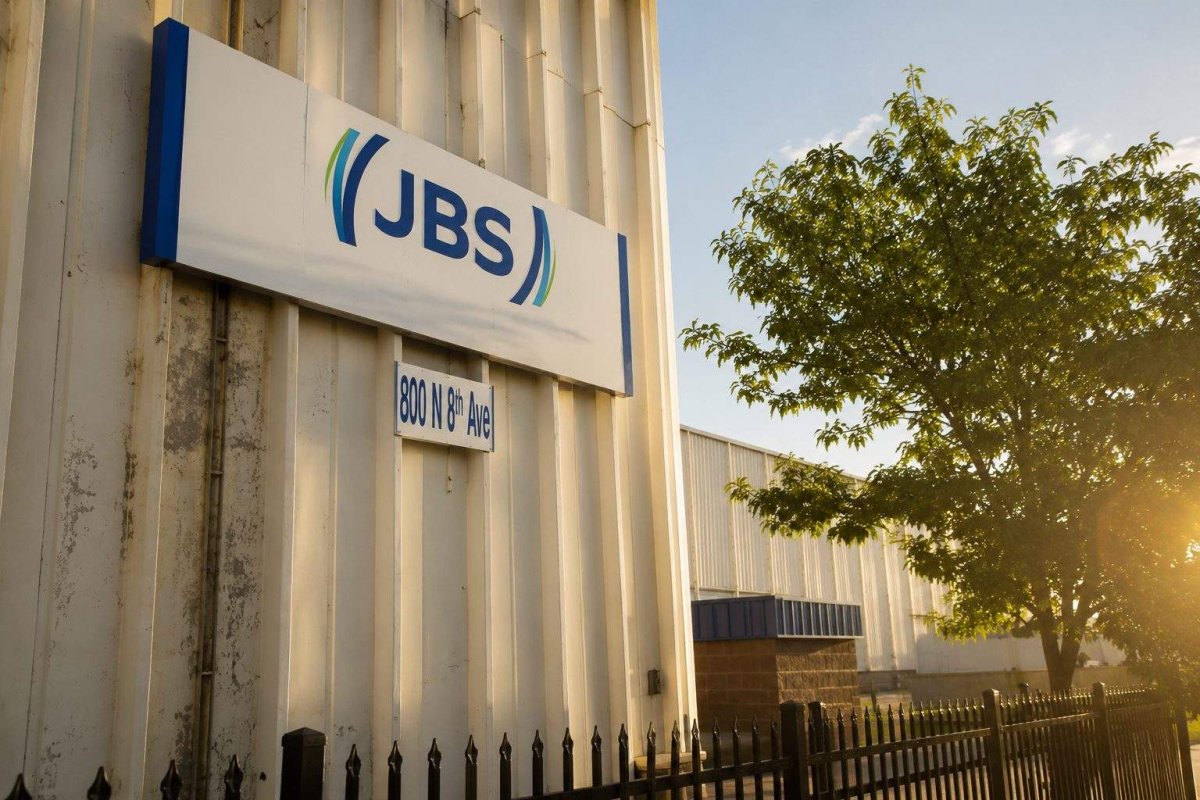
JBS USA, the North American arm of Brazilian meatpacking giant JBS SA (JBSAY), announced the closure of two major U.S. processing facilities, citing persistent tightness in cattle supplies and severe pressure on packer profitability. The company will shutter its Souderton, Pennsylvania beef plant, which processes approximately 2,000 head of cattle daily, and its Empire Packing facility in Memphis, Tennessee, which handles meat cutting, packing, and preparation for grocery and restaurant clients.
Financial Pain Mounts
The closures come as JBS North American beef operations reported a negative adjusted EBITDA of $267 million in the most recent quarter, despite higher revenues. Globally, JBS saw net profit plunge 56% to $221 million in the first quarter of 2026, according to Reuters. The company's CEO, Wesley Batista Filho, described the decisions as "never easy," framing them as part of a restructuring rather than a retreat from U.S. food production.
Industry-Wide Capacity Cuts
JBS is not alone in trimming capacity. Tyson Foods recently closed a beef plant in Nebraska and is scaling back operations in Amarillo, Texas. Cargill has stated it has no current plans to close any U.S. beef plants. Together, JBS, Cargill, Tyson, and National Beef control approximately 85% of U.S. grain-fed cattle slaughter, according to Reuters. The consolidation raises concerns about reduced competition for cattle and potential long-term capacity shortages.
Cattle Supply Crunch
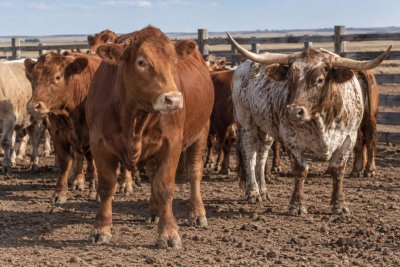
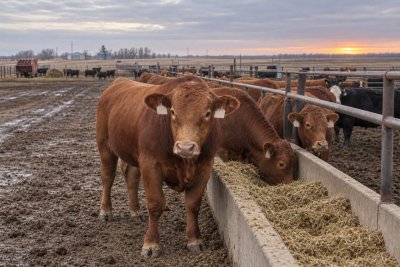
The root cause of the industry's woes is a shrinking U.S. cattle herd. USDA data shows the total cattle inventory stood at 86.2 million head as of January 1, 2026, with beef cow numbers down 1% and the 2025 calf crop declining 2%. Large feedlots held 11.7 million cattle and calves as of June 1, a modest 2% year-over-year increase, but May placements fell 10% and marketings dropped 12%, marking the second-lowest May figure since records began in 1996.
Consumer Prices Keep Rising
Beef and veal prices surged 14.8% in April 2026 compared to a year earlier, according to the USDA's Economic Research Service, which projects a further 12.1% increase for the full year. Farm-level cattle prices climbed 17.7% from April 2025, driven by the reduced herd. Despite higher retail prices, beef demand remains solid, with slaughter numbers lagging both the prior week and last year's pace, according to the Mid-West Farm Report.
Job Losses and Local Impact
The Souderton closure will result in 1,485 workers losing their jobs effective August 14, 2026, as per a Pennsylvania WARN notice. In Memphis, 208 employees at the Empire Packing plant will be affected. JBS said impacted workers will receive support and may seek other positions within the company. Production from the closed sites is expected to shift to other parts of JBS's network.
Analysts Weigh In
Market analyst Brian Hoops noted that the Souderton shutdown indicates packer margins are "deeply in the red." Brad Kooima warned that more capacity could be at risk, stating it would not take much to imagine the sector "lose another plant." S&P Global, however, does not expect the closure to significantly move lean beef trimming prices, citing ample slaughter capacity elsewhere, though it may limit regional access for some non-fed cattle and cull cows.
Outlook: Temporary Trim or Structural Shift?
The key question is whether these closures represent a temporary adjustment or the beginning of a more profound capacity reset. If cattle supplies remain tight, packers may continue to cut shifts or shut underperforming plants. However, if ranchers begin rebuilding herds, the industry could find itself short of processing capacity. For now, consumers may not see empty shelves, but persistently high beef prices seem likely to continue as the cattle cycle plays out.