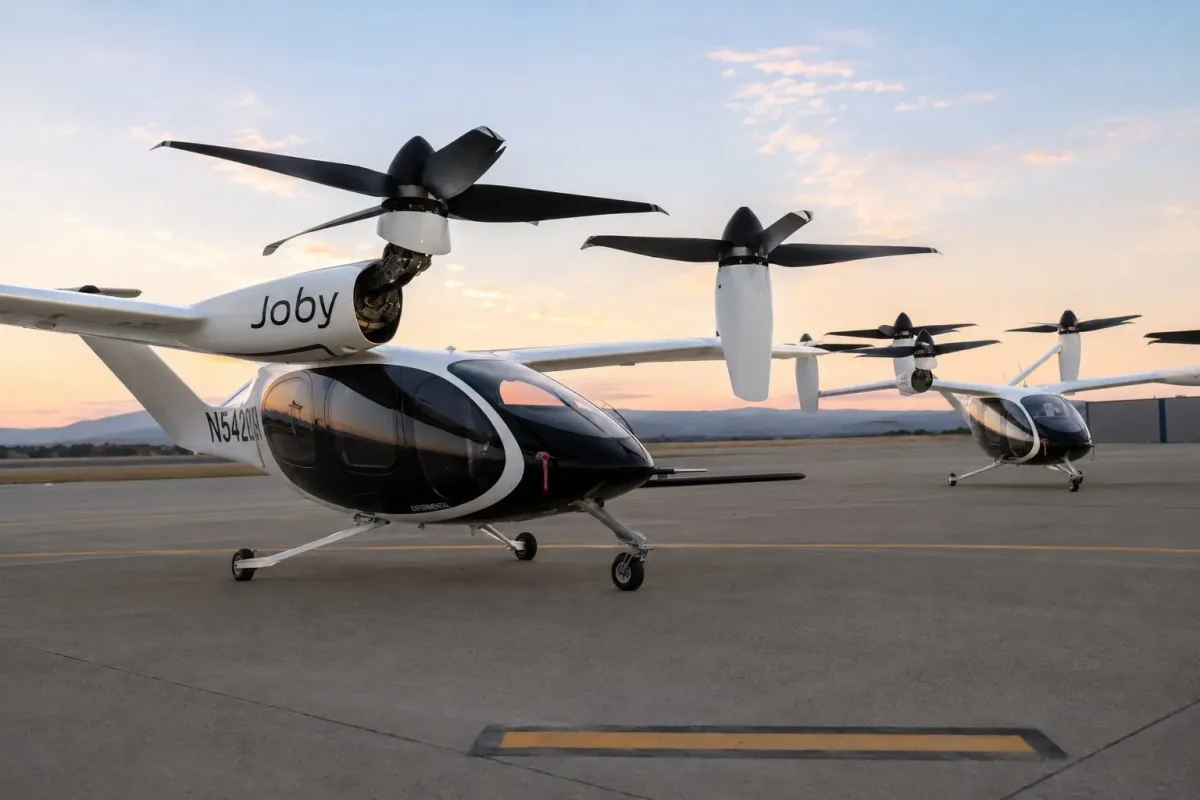
Joby Aviation (NYSE: JOBY) shares stabilized in premarket trading Wednesday at $9.37, following a volatile two-day period that saw the stock slip 3.4% to close at $9.34 on Tuesday. The electric vertical takeoff and landing (eVTOL) aircraft maker's shares have been under scrutiny as investors weigh insider share sales against growing consumer interest in flying taxis.
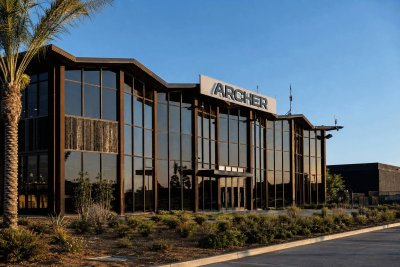
The premarket steadiness comes after a Monday rally that lifted Joby shares 5.9% to $9.69 on heavier-than-usual volume. Market participants attributed the move to a Jefferies consumer survey that found 50% of respondents were familiar with eVTOLs, and 79% expressed interest in trying flying taxis. The survey also indicated that consumers would pay approximately $91 for a 15-minute flight that would save 45 minutes compared to ground transportation. The positive sentiment extended to other eVTOL names, with Archer Aviation (ACHR) and Eve Holding also moving higher.
Tuesday's trading brought a pullback, with Joby shares ranging between $9.16 and $9.71. The stock remains well off its 52-week high of $20.95 but comfortably above the $7.75 low, giving the company a market capitalization of roughly $9.2 billion.
Adding to the narrative, a Form 4 filing revealed that Joby Aviation President of OEM, Didier Papadopoulos, sold 7,974 shares in transactions tied to restricted stock unit (RSU) vesting and a pre-arranged trading plan. Specifically, Papadopoulos acquired 11,641 shares from RSUs after the market close, then sold 5,999 shares at $9.83 to cover tax obligations from the vesting, and an additional 1,975 shares at a weighted average of $9.42 through a Rule 10b5-1 trading plan. Following these transactions, Papadopoulos retained 148,455 shares.
Certification remains the central focus for Joby. The company ended the first quarter with $2.5 billion in cash and has flown its first Federal Aviation Administration (FAA)-conforming aircraft, completing a key certification audit known as SR3. CEO JoeBen Bevirt has stated that Joby now has the “clearest path” to launching passenger service. Papadopoulos earlier characterized the first conforming flight as the “final phase of bringing this aircraft to market,” with FAA pilots expected to fly the aircraft later this year as part of the Type Inspection Authorization process.
Joby has also been demonstrating its service potential. In April, the company completed point-to-point demonstration flights in New York City, connecting JFK Airport with Manhattan heliports. The company claims these air taxi routes could reduce trips that typically take over an hour by car to under 10 minutes.
Despite the progress, significant risks remain. Certification delays, production challenges, and potential cost overruns could impact the timeline. Moreover, the company continues to operate at a loss, raising concerns about cash burn, potential dilution, and investor sentiment swings toward high-growth transport stocks. Trading volumes may also thin with the NYSE closing Friday, June 19, for Juneteenth, leaving traders to focus on Wednesday’s open and Thursday’s moves ahead of the long break.