Joby Aviation (NYSE:JOBY) experienced a sharp decline on Friday, with shares falling 8.1% to close at $6.93. The drop contributed to a weekly loss of 4.1%, despite the company announcing a binding partnership with Virgin Atlantic earlier in the week.
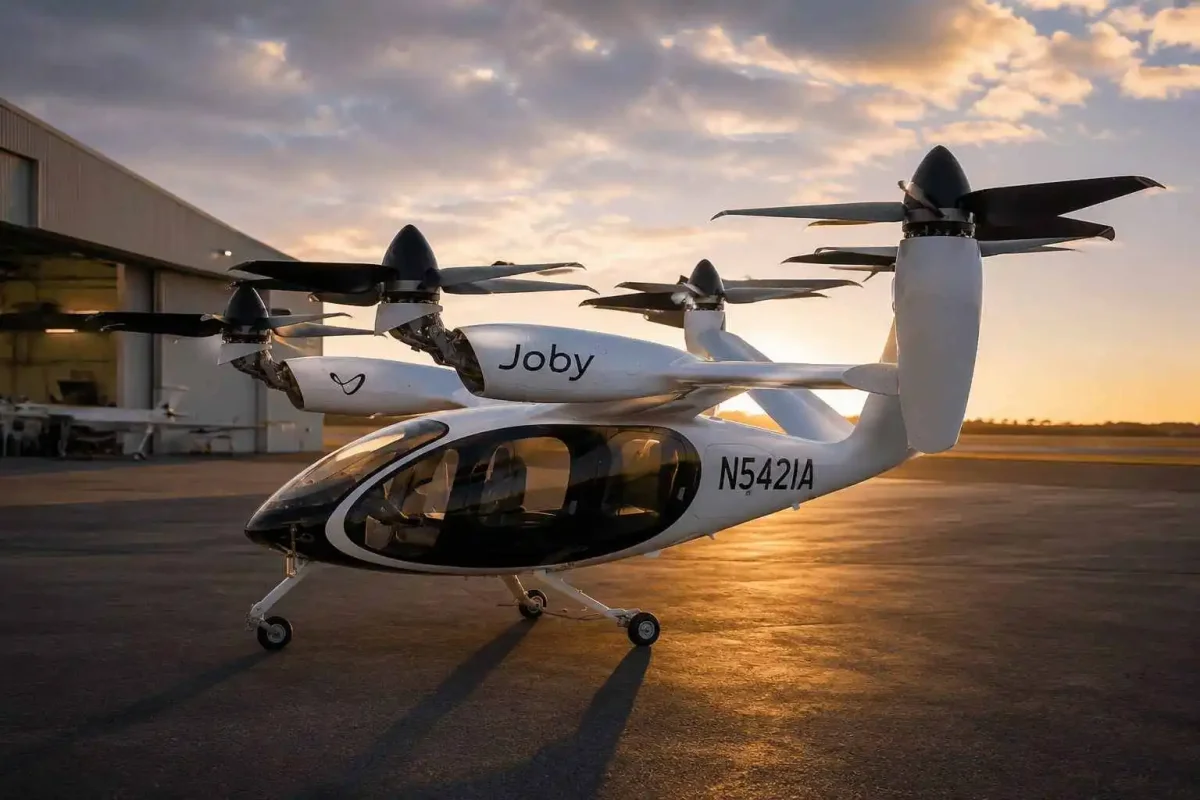
The agreement, unveiled on Wednesday, named Virgin Atlantic as Joby's exclusive airline partner in the UK. Under the deal, Virgin Atlantic will offer Joby's electric air taxi services through its app and website. However, Joby remains responsible for operating the service and securing regulatory approval from UK authorities. The announcement lacked critical details, including the number of aircraft involved, initial payments, or a service launch date.
Investors reacted cautiously to the news, as the absence of concrete financial commitments raised questions about the near-term revenue potential. By Friday's close, Joby's stock had fallen 9.2% from Wednesday's closing price, reflecting skepticism about the deal's immediate impact.
Market Context and Peer Comparison
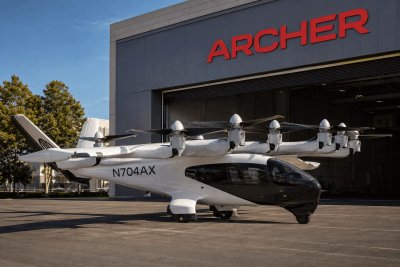
Joby's decline contrasted with the broader market, as the S&P 500 gained 0.1% on Friday and ended the week down only 0.6%. Meanwhile, rival Archer Aviation (NYSE:ACHR) saw its shares slip 6.7% on Friday but posted a weekly gain of 7.4%. Archer outperformed Joby by 11.6 percentage points for the week, buoyed by its announcement of a new autonomous defense aircraft developed with Anduril on Monday.
The divergent performance suggests investors may favor Archer's dual-use technology, which targets both commercial and defense applications. However, Archer's Thunder aircraft is not expected to make its maiden flight before 2027, and contract values remain undisclosed, leaving the comparison speculative.
Financial Position and Liquidity
Despite the market reaction, Joby maintains a strong financial cushion. As of March 31, the company held $2.47 billion in cash and short-term investments, representing approximately 36% of its market capitalization of $6.82 billion as of Friday's close. This liquidity provides a buffer against near-term funding pressures.
However, the company's cash burn remains significant. In the first quarter, Joby reported an operating cash outflow of $144.4 million and capital expenditures of $77.9 million. At this combined rate, the company has roughly 11 quarters of liquidity, though this estimate excludes working-capital fluctuations, potential financing, and higher expenses associated with scaling production.
Revenue and Operations
Joby generated $24.2 million in revenue during the first quarter, primarily from its acquired Blade passenger division, engineering services, and leasing activities. Revenue from certified S4 passenger flights has yet to commence, as the aircraft remains under FAA certification.
The upcoming earnings call, scheduled for August 5, will be a key event for investors. Analysts are expected to focus on cash consumption, progress in conforming aircraft production, and updates on FAA certification timelines.
Risk and Outlook
Risks remain elevated for Joby. Shares could face further pressure if certification is delayed, production falls behind schedule, or cash is spent more rapidly than anticipated. Conversely, quicker regulatory approvals or financed aircraft deals could shift sentiment positively.
For now, the Virgin Atlantic partnership underscores Joby's efforts to expand its route network and secure strategic partnerships, but the lack of financial specifics leaves investors questioning the path to monetization. The stock's proximity to its 52-week low of $6.89 highlights the market's cautious stance.