The South African equity market endured a sharp correction last week, with the FTSE/JSE All Share Index closing at 116,583 on Friday, March 6, 2026. This represented a weekly decline of approximately 9.2%, a significant pullback after the benchmark had reached a record high of 129,339 earlier in the week. The blue-chip FTSE/JSE Top 40 Index mirrored the sell-off, finishing the week at 108,597 for a drop of 9.7%.
Global Risk-Off Sentiment Fuels Sell-Off
The downturn was driven by a broad shift away from risk assets globally, amplified by escalating geopolitical tensions in the Middle East. The conflict spurred a sharp rise in oil prices, prompting investors to seek safety in the US dollar. This dynamic placed intense pressure on emerging market currencies and assets. On Friday alone, the Top 40 index fell nearly 2%, while the rand depreciated to 16.72 against the dollar.
Andre Cilliers, a currency strategist at TreasuryONE, noted the rand's weakness was consistent with broader emerging market trends. "Like many emerging market currencies, the rand has been weighed down by rising global risk aversion and higher oil prices," Cilliers stated. The currency lost about 4% over the course of the week.
Oil Shock Squeezes Economy and Lifts Bond Yields
The surge in crude prices presents a direct threat to South Africa's economy, which is heavily reliant on imported fuel. Analysts at ETM Analytics warned that more expensive oil would deteriorate the country's terms of trade, worsening the current account deficit and stoking inflationary pressures. The rand's depreciation exacerbates this by making all imports more costly almost immediately.
Bond markets reacted sharply to the inflation risks. The yield on the benchmark 2035 government bond jumped 19.5 basis points on Friday to settle at 8.435%. South African Reserve Bank Governor Lesetja Kganyago told Reuters the central bank is overhauling its risk scenarios ahead of the March 26 interest rate decision, explicitly citing the oil shock's impact. "Now the previous adverse scenario … is gone. We will come up with a completely new one," Kganyago said.
Corporate and Regulatory Developments
Amid the market turmoil, corporate news provided a mixed picture. FirstRand, the nation's second-largest lender by assets, reported an 11% increase in adjusted half-year profits and raised its interim dividend by 18%, citing stronger revenue and improved loan performance. In other corporate action, Life Healthcare disclosed in a filing that clients of Lazard Asset Management now hold a combined 16.2782% of its ordinary shares, a stake large enough to mandate formal disclosure under local regulations.
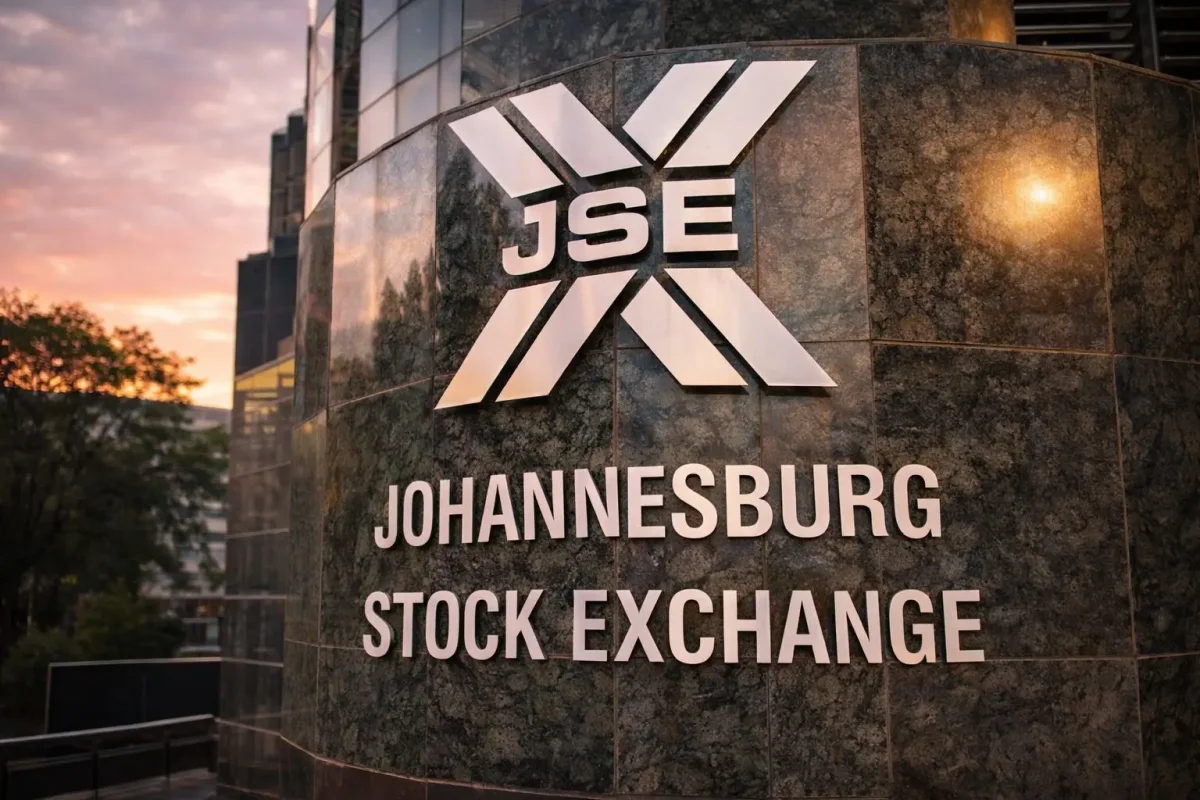
The Johannesburg Stock Exchange also took regulatory action, issuing a public censure against Mantengu for failing to publish a required cautionary announcement after confidential, price-sensitive information was compromised. Such announcements are designed to alert investors to exercise caution during periods of material uncertainty.
Diverging Paths Ahead for Markets
The outlook for South African assets appears bifurcated, heavily dependent on the trajectory of oil prices and the underlying conflict. Thomas Urano, co-chief investment officer at Sage Advisory, highlighted the immediate inflationary impact: "Energy price inflation is generally shorter term in nature. But that’s going to hit headline inflation hard."
If tensions ease and oil prices retreat, the rand could stabilize, potentially creating room for domestic interest rates and equities to recover. Conversely, should oil remain elevated and the currency weaken further, markets may begin pricing in more persistent inflation and a more aggressive monetary policy tightening path from the South African Reserve Bank, extending the pressure on bonds and growth-sensitive stocks.