National Beverage Corp. (NASDAQ: FIZZ), the maker of LaCroix sparkling water, reported fiscal first-quarter earnings that revealed a significant cost pressure rather than a demand collapse. The company's revenue remained essentially flat at $330.7 million, but net income dropped 15.7% to $47.0 million, with earnings per share falling to $0.50 from $0.60 in the year-ago period. The key culprit: a nearly 600-basis-point hit to gross margin from higher aluminum costs.
In its September 10 filing with the Securities and Exchange Commission, the company disclosed that aluminum alone reduced gross margin by roughly 600 basis points. On the quarter's sales, that translates to approximately $19.8 million in lost gross profit—an estimate based on the margin impact. This explains why flat revenue led to a double-digit earnings decline.
Pricing Offsets Volume Decline
National Beverage said higher average selling prices largely offset lower volume, as weak consumer sentiment and tariffs weighed on the quarter ended August 1. Gross margin landed at 35%, with additional pressure from higher ingredient, fuel, and freight costs.
The current quarter will be particularly telling. The company has implemented further price increases and reported a rebound in orders during August. If volume and product mix stabilize while those price hikes flow through to the income statement, the first-quarter margin compression could prove to be the trough. Conversely, if consumers continue to trade down or buy fewer cases, additional pricing may protect dollar sales but fail to revive unit demand.
New Flavor Could Provide Support
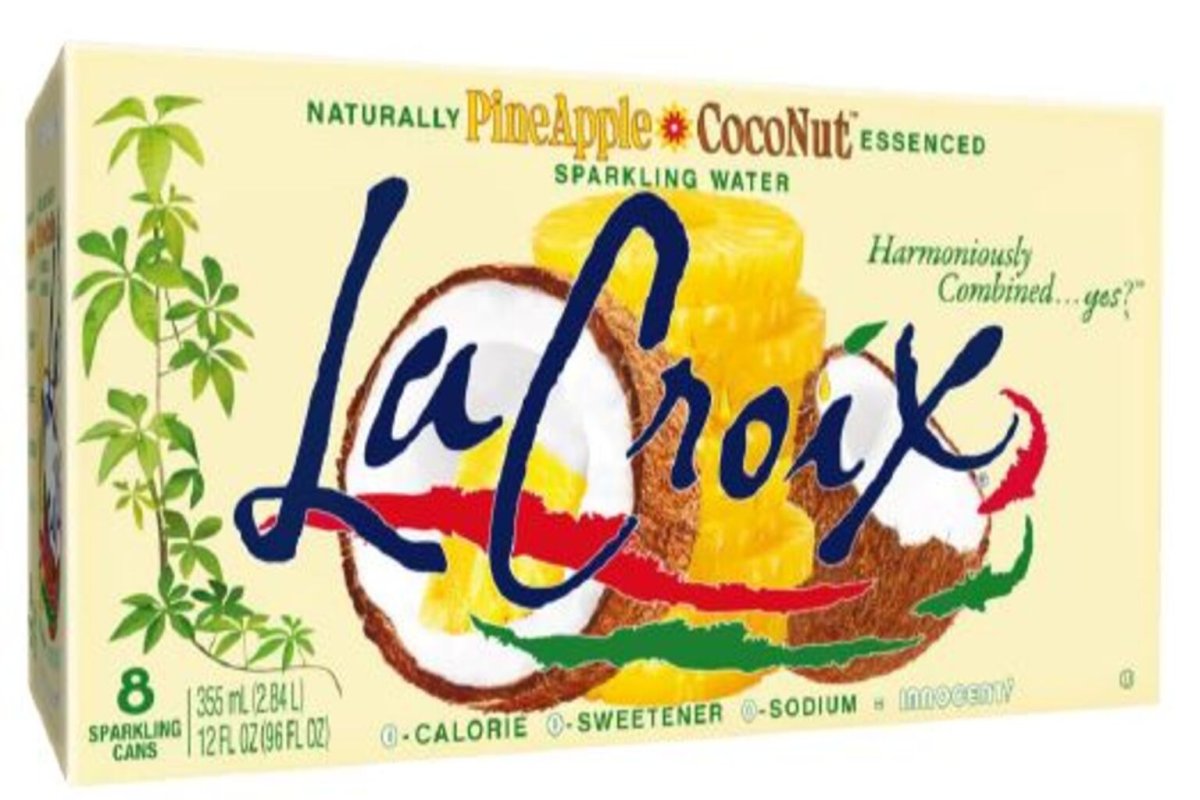
National Beverage is rolling out PineApple CocoNut, a new LaCroix flavor that it says gained traction during a summer advertising campaign. Innovation can help secure shelf space and improve product mix, but the company does not disclose LaCroix revenue or volume separately, making it difficult for investors to gauge brand-level momentum from the reported order rebound.
Shares of FIZZ opened Friday at $29.19 and closed at $31.42, a 7.6% recovery from the opening print and a 1.7% gain for the session, according to historical Nasdaq data. The rebound suggests investors are willing to look past at least part of the cost shock, though one session does not confirm that margins have bottomed.
At $31.42, National Beverage's 93.6 million average basic shares imply an equity value of about $2.94 billion. The stock trades at roughly 16.8 times trailing-12-month earnings of $1.87 per share—a reasonable multiple for a debt-light branded beverage company, but one that leaves little room for error if the 35% gross margin persists.
Balance Sheet After Special Dividend
The company's balance sheet also reflects the impact of July's $3.25-per-share special dividend. National Beverage paid out $304 million—about 6.5 times first-quarter net income—and ended the quarter with $107 million in cash. Management emphasizes this was its 13th special dividend, with cumulative special distributions exceeding $1.8 billion. While the capital-return record is solid, the reduced cash cushion provides less flexibility to absorb a prolonged commodity squeeze.
Outlook and Key Metrics to Watch
The bullish case is straightforward: aluminum and tariff pressures ease, August's order improvement persists, and recent pricing actions restore several points of margin. The harder counterargument is that aluminum is just one piece of the puzzle. National Beverage is simultaneously managing softer consumption, lower volume, freight inflation, and the risk that further price increases weaken demand.
For the next report, investors should focus on unit volume, gross margin trends, and whether sales growth comes from sources other than price. A return toward last year's profitability on flat revenue would validate Friday's recovery. Another quarter where price increases mask declining volume would suggest the aluminum hit is not temporary—and could signal a broader demand challenge for FIZZ stock.