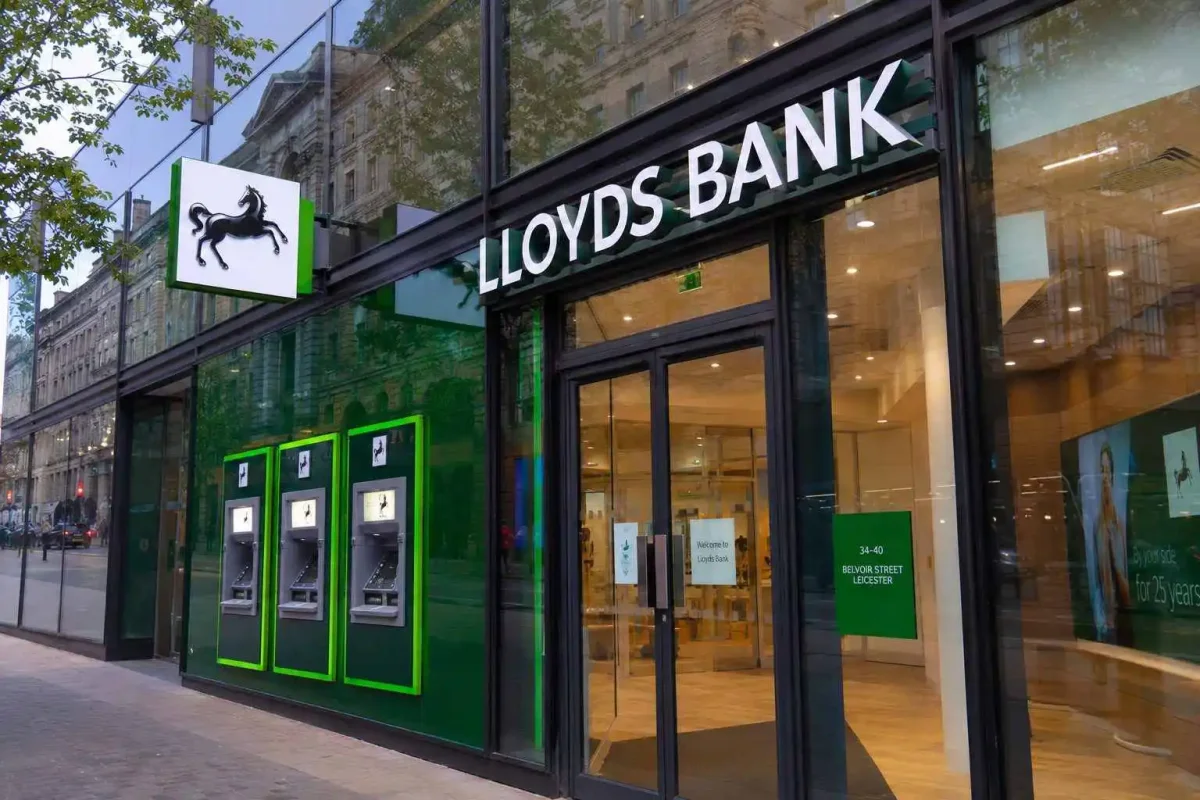
Lloyds Banking Group (LON:LLOY) closed Friday's trading session at 113.50 pence, just 2.2% below its 52-week peak, as the bank continues its £1.75 billion share buyback program. The bank repurchased one million shares at an average price of 113.4169 pence, highlighting a significant shift in buyback economics.
Friday's share price was 47% higher than the average price from the previous completed buyback program, meaning each pound spent now purchases 32% fewer shares. This trend has been accelerating, with the July 24 acquisition price exceeding the first-quarter program average by 16.1%, further reducing shares bought per pound by 13.9%.
The buyback continues to reduce the share count, with Lloyds committed to cancelling the repurchased stock. However, the rising share price adds to the challenge for future earnings growth, as the cost of capital returns increases.
Lloyds' stock advanced 1.79% over the five sessions, with a 0.93% gain on Friday, slightly outperforming the FTSE 100's 0.91% increase. In comparison, Barclays (LON:BARC) rose 1.14%, and NatWest Group (LON:NWG) gained 0.81% on Friday.
At current levels, Lloyds trades at a price-to-earnings ratio of 14.78, a premium to Barclays at 12.14 and NatWest at 9.68. This premium is partly justified by strong first-quarter results, where pretax profit surged 33% to £2.025 billion, return on tangible equity reached 17.0%, and underlying net interest income rose 8% to £3.569 billion.
The structural hedge was the main driver of income growth, contributing £1.6 billion in the first quarter compared to £1.2 billion previously. Lloyds expects earnings to exceed £7 billion this year and projects £8 billion in 2027, with CEO Charlie Nunn expressing confidence in the bank's delivery for the year ahead.
Based on March data, Friday's repurchase price was 1.96 times tangible book value, with tangible net assets at 57.9 pence per share. The upcoming half-year report will update these figures.
Lloyds is set to announce half-year earnings and unveil its updated strategy on Thursday at 9:30 a.m. Existing forecasts anticipate net interest income exceeding £14.9 billion, return on tangible equity above 16%, capital generation greater than 200 basis points, and a cost-income ratio staying under 50%.
The current strategic plan is expected to generate approximately £2 billion in additional revenue by year-end, surpassing the initial target of £1.5 billion. Investors will be watching for the earnings bridge in the forthcoming report.
Risks remain, including ongoing pressure on UK mortgage margins, uncertainty around motor-finance response rates, operating costs, and litigation. Lloyds recorded a £101 million macroeconomic provision in the first quarter. On Thursday, investors will assess whether higher income can offset increased costs for capital returns as the buyback continues to reduce the denominator but at a higher price.
