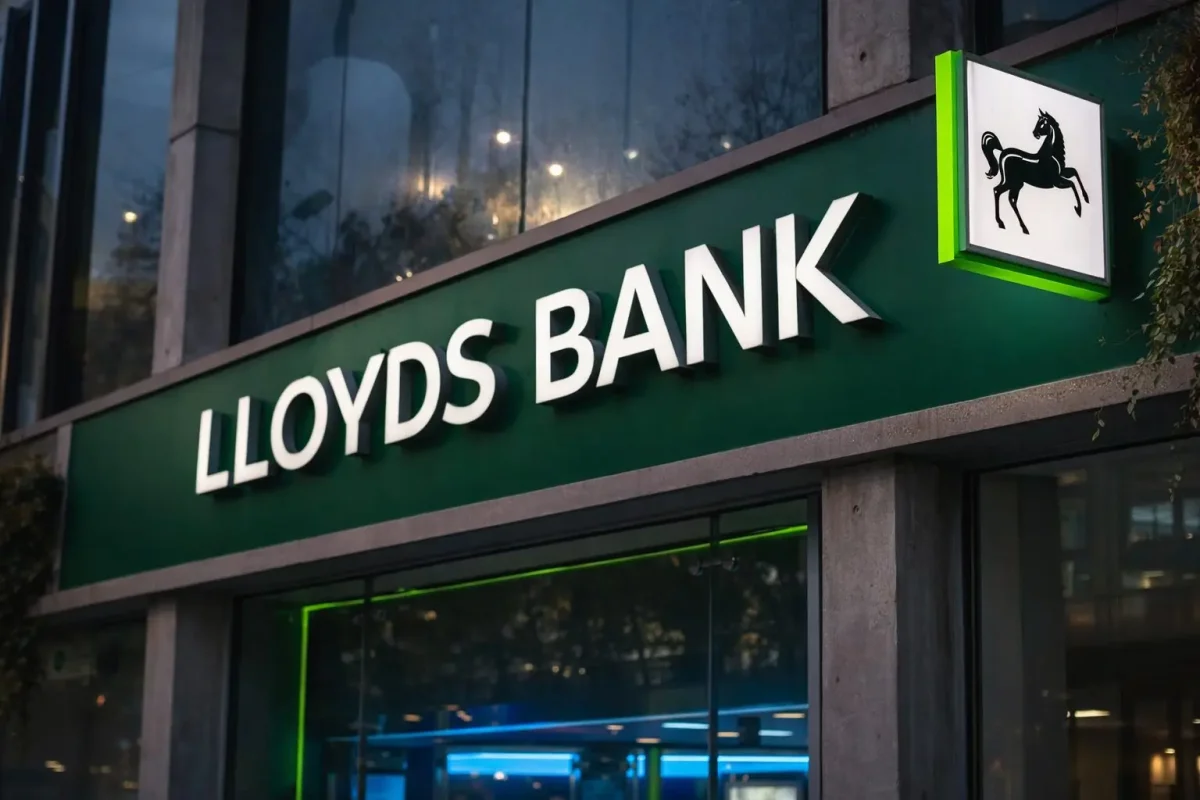
Lloyds Banking Group (LON:LLOY) saw its shares decline by 2.2% to 110.17 pence at the opening of London trading on Friday, as the broader FTSE 100 index slipped 0.25%. The drop comes amid growing investor scrutiny over the bank's buyback strategy, following a notable increase in the average repurchase price.
According to a regulatory filing, the volume-weighted average price for Lloyds' share buyback on Thursday stood at 112.2414 pence, which is 14.9% higher than the average price of 97.7 pence recorded in the first quarter. This higher cost means that each pound spent on buybacks now retires approximately 13% fewer shares, diminishing the efficiency of the program in boosting earnings per share.
The bank's stock is currently trading at 1.90 times its tangible net asset value (TNAV) as of March, a 15% premium compared to NatWest Group (LON:NWG), which trades at 1.65 times TNAV. This premium persists despite Lloyds reporting a first-quarter return on tangible equity (RoTE) of 17.0%, which is below NatWest's 18.2%. The valuation gap suggests that investors are expecting higher returns or greater capital distributions from Lloyds to justify the premium.
While buybacks can enhance earnings per share by reducing the share count, purchasing shares above TNAV reduces TNAV per share, all else being equal. Lloyds has acknowledged that its first-quarter buyback partially offset the increase in TNAV per share, highlighting a delicate balance between returning capital to shareholders and preserving book value.
The strategic implications are significant as Lloyds prepares to unveil its updated strategy alongside half-year results on July 30. Chief Executive Charlie Nunn expressed confidence in the bank's delivery for the year ahead during an April statement. However, investors will be closely watching for medium-term RoTE targets, capital objectives, and the future of the buyback program. A strategy that merely maintains current returns may not sustain the current valuation premium.
Market conditions remain challenging, with risk appetite subdued following a global selloff in chip stocks. Additionally, Brent crude oil is on track for a weekly increase of over 10%, raising inflation concerns that could strain borrowers and push interest rates higher. This macroeconomic backdrop adds uncertainty to Lloyds' outlook.
Another risk factor is the partially halted motor-finance scheme, which introduces ambiguity regarding the timing of Lloyds' £1.95 billion provision. Any adverse developments in this area could further pressure the stock.
In summary, Lloyds' higher buyback price and premium valuation have placed the spotlight on its upcoming strategy update. The bank must deliver a compelling plan that justifies its market premium and addresses investor expectations for enhanced returns and capital efficiency.
