Lockheed Martin (LMT) shares slipped in Friday morning trading even after the U.S. State Department approved a potential $24.3 billion sale of F-35 fighter jets and related equipment to Saudi Arabia. The muted market response is understandable: the announcement clears a government hurdle but does not constitute a customer order, and it adds nothing to the company's backlog yet.
At 10:21 a.m. EDT on September 18, Lockheed Martin stock traded at $533.51, down $4.58, or 0.9%, from Thursday's close of $538.09. Volume stood at about 192,000 shares, compared with a 20-day average of roughly 1.09 million shares. That partial-session volume is context, not evidence that the Saudi news caused the decline.
What the Approval Covers
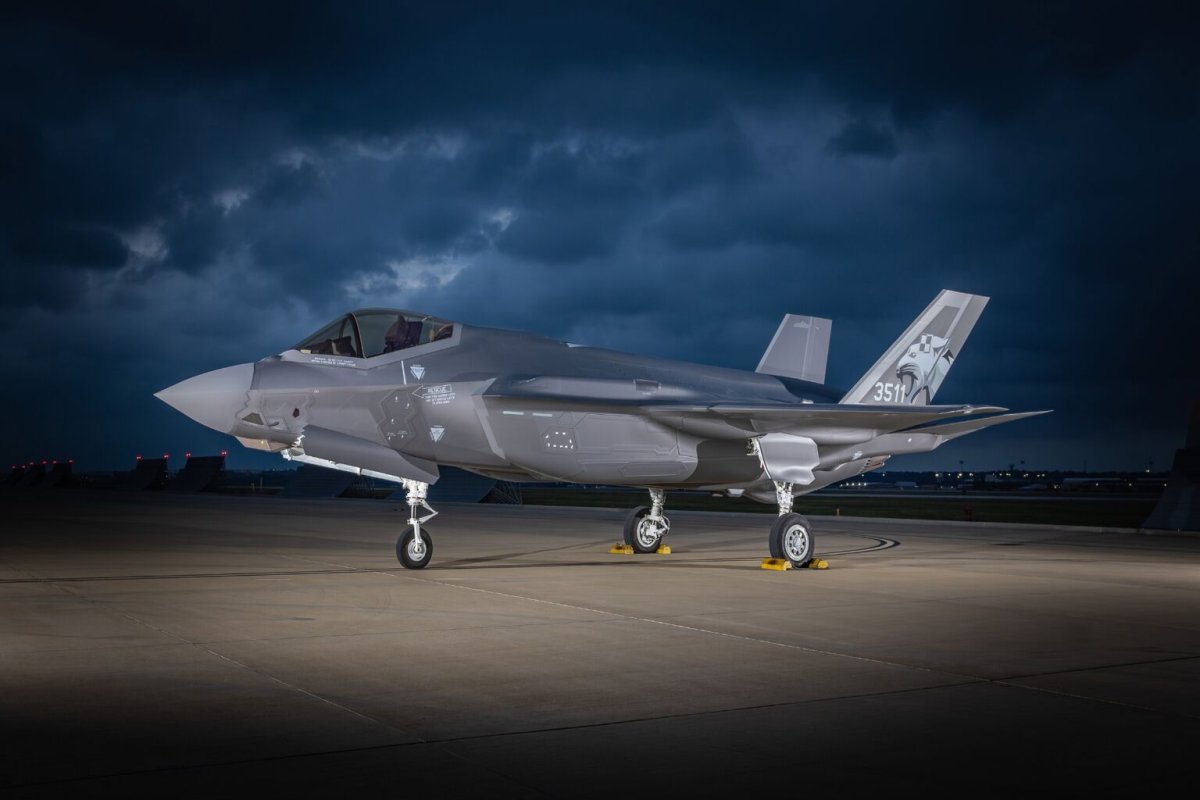
The September 17 notification, detailed in the State Department's Transmittal 26-69, covers 48 conventional-takeoff-and-landing F-35A aircraft and 49 Pratt & Whitney F135 engines, including one spare. It also includes secure communications, software, simulators, training, maintenance, spare parts, and U.S. government support. Lockheed Martin Aeronautics and RTX's Pratt & Whitney unit are named as the principal contractors. The Associated Press separately confirmed the aircraft count and package value.
Why .3 Billion Is Not Lockheed Revenue
The headline value is the U.S. government's estimate for the maximum package, not the value of an airframe contract for Lockheed. Part of the package would cover engines supplied by Pratt & Whitney; another part would pay for equipment, training, logistics, and government services. Final quantities, terms, and value can change during negotiations.
That distinction matters because $24.3 billion equals about 10.5% of Lockheed's latest reported $230.4 billion total backlog. Adding the two figures would be wrong. Lockheed's second-quarter results put Aeronautics backlog at $54.4 billion, but a Saudi F-35 contribution would enter only after enforceable contracts are awarded.
The F-35 is already financially significant. Lockheed said higher production volume on the program added $475 million to second-quarter Aeronautics sales growth. Aeronautics produced $8.1 billion of the company's $20.1 billion quarterly sales. Those numbers explain why a 48-aircraft opportunity matters, while also showing why the exact contract share and delivery schedule matter more than the package ceiling.
The Decisions Investors Can Actually Track
Congressional review comes first. Saudi Arabia would then need to accept the final terms, funding, and delivery arrangements before the U.S. government and contractors turn the approval into procurement. Political objections, technology-security conditions, or a smaller negotiated package could reduce or delay the opportunity.
Production is the other constraint. Lockheed delivered 19 F-35s in the second quarter and 51 in the first half, down from 50 and 97, respectively, a year earlier. A Saudi agreement would strengthen long-run demand, but near-term cash generation would still depend on contract timing, production lots, and actual deliveries.
The first investable milestone is therefore not another diplomatic endorsement. It is a signed agreement followed by a funded award that identifies Lockheed's share, aircraft timing, and any effect on the F-35 production plan. Until those facts arrive, the approval belongs in the opportunity pipeline, not in revenue or backlog.