IBM's announcement of its first Swiss quantum computing system marks a significant step in expanding its quantum ecosystem beyond the laboratory, but investors should temper expectations of an immediate financial windfall. The deal, unveiled on September 10, brings together IBM, Lockheed Martin, ETH Zurich, and Switzerland's federal defense-procurement office to establish a national quantum hub at the Swiss National Supercomputing Centre (CSCS) in Lugano.
While the collaboration is a tangible milestone, the absence of disclosed contract value, revenue projections, or pricing models underscores that this is a strategic pipeline play rather than a near-term earnings event. IBM, which reported $17.2 billion in revenue for its latest quarter, has not provided financial terms, leaving analysts to assess the deal's impact on future growth rather than current results.
What the Agreement Entails
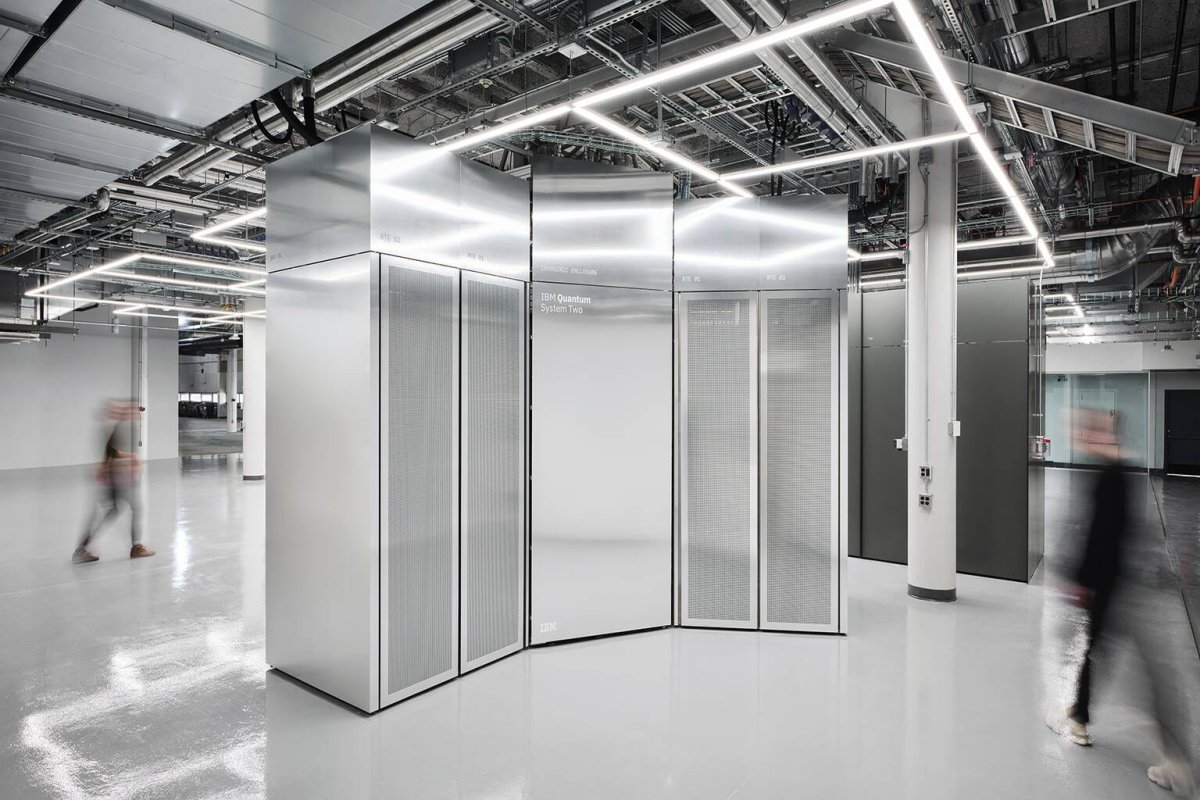
Under the arrangement, IBM will install and operate the IBM Quantum System Two, powered by its Nighthawk processor, by the end of 2026. The system will be housed at CSCS, with ETH Zurich and the center providing infrastructure, power, cooling, and security. In return, researchers, universities, and selected Swiss companies will gain access to the dedicated quantum hardware, alongside IBM's cloud quantum fleet during the installation phase.
The partnership, funded through an offset agreement between Lockheed Martin and armasuisse, will run initially through 2029. It also includes plans for joint research in quantum sensing for navigation and additive manufacturing of metal alloys. This setup creates a commercialization funnel: users can transition from cloud-based experiments to dedicated on-premises hardware, deepening IBM's relationships with industrial clients in sectors like materials, chemistry, optimization, and financial services.
Financial Reality Check
IBM's second-quarter results highlight the scale of its operations and the modest impact of a single research system. Revenue grew just 1% year-over-year to $17.2 billion, with software up 5%, consulting flat, and infrastructure down 7%. Management projects 4-5% constant-currency growth for 2026 and a $1 billion increase in free cash flow, but this Swiss project, with no disclosed economics, cannot validate those targets on its own.
The strategic bull case is compelling: IBM is embedding its hardware, cloud access, and operational expertise within a powerful ecosystem that includes a leading research university, a national supercomputing center, and defense procurement. This entrenched position could be difficult for competitors to dislodge if the applications prove valuable. However, the counterargument is equally strong: research access often remains subsidized, utilization may be low, and converting experimental success into commercial workloads can take years.
Market Reaction and Implications
IBM shares rose 3.96% on Friday to close at $243.29, with 4.92 million shares traded, according to Nasdaq data. While the market reacted positively, the move cannot be solely attributed to the Swiss announcement, given the lack of financial details. One-day stock movements are unreliable indicators of causation.
For investors, the next evidence of success will come from tangible milestones: deployment by the end of 2026, named corporate users, measurable utilization, and eventually disclosed revenue or backlog. Until then, the Swiss quantum system should be viewed as a pipeline signal—an indication of IBM's strategic direction—rather than a new line in its earnings model. The company's broader quantum ambitions remain intact, but the financial payoff is a longer-term story.