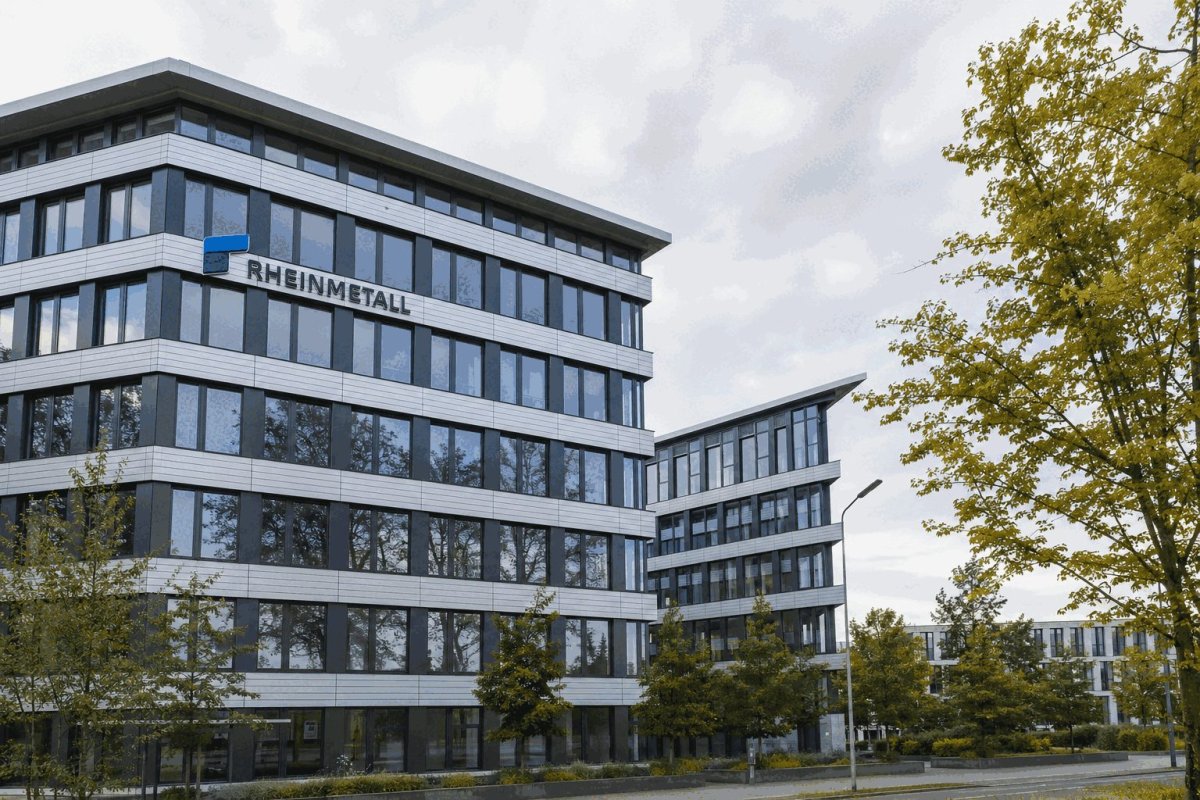
Rheinmetall AG (ETR:RHM) shares advanced 1.7% on Monday, closing at €1,222.20, following a NATO fighter jet's interception of a drone over Romanian airspace. The incident, which occurred near Galați, underscores the growing need for advanced air-defense systems along NATO's eastern flank. In contrast, Sweden's Saab AB (STO:SAAB-B) slipped 0.4%, suggesting investors are reacting to specific defense scenarios rather than a broad sector rally.
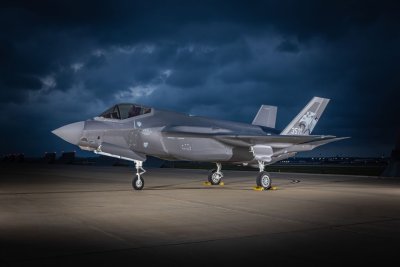
The downed drone, believed to have originated from Moldova, was shot down by a Spanish F-18 at 05:01 local time on August 17. This marks Romania's fourth drone interception this year, following a similar event on August 14 when an Italian Eurofighter intercepted an unidentified drone over Latvia, and an August 11 incident where Romanian divers neutralized two Gerbera-type drones near the Neptun Deep gas project. These repeated incursions highlight the persistent threat to critical infrastructure and border security, reinforcing the case for robust ground-based defense systems.
Rheinmetall's stock performance reflects its strong positioning in the air-defense market. The company's Air Defence segment, which produces the Skyranger and Skynex systems designed to counter drones and other close-range threats, reported a 43% surge in first-quarter sales to €192 million. The order backlog for this segment expanded by 32% year-over-year, reaching €3.141 billion as of March 31.
Romania's €5.7 billion agreement with Rheinmetall, signed in May, is a key driver of this demand. The deal covers Skyranger air-defense systems, military vehicles, ammunition, and vessels, with deliveries scheduled to begin in 2028. While Sunday's drone incident does not generate immediate revenue, it strengthens the strategic rationale for such investments. Over half of the production value is required to be created within Romania, a stipulation that aligns with local economic development goals.
Chief Executive Armin Papperger described the Romanian contract as "a significant success for us," but the company faces the challenge of converting its substantial backlog into timely deliveries. Rheinmetall's preliminary second-quarter results showed revenue jumped 69% to €3.29 billion, with operating profit of €562 million, surpassing the €469.9 million consensus forecast. The group's total order backlog now exceeds €80 billion.
However, cash conversion remains a concern. Increased working-capital requirements and deferred customer advances led to negative operating free cash flow in the first half of the year. Additionally, Rheinmetall lowered its 2026 sales outlook to €13.7 billion–€14.2 billion following Germany's cancellation of the F126 frigate program. These factors, combined with a high valuation—trading at 78.9 times earnings—leave little room for contract delays.
Analysts remain bullish on Rheinmetall, with a consensus "Strong Buy" rating and an average price target of €1,698.00, implying a potential upside of 38.9%. In comparison, U.S. defense primes like RTX Corporation (NYSE:RTX) and Lockheed Martin (NYSE:LMT) trade at lower multiples (39.3x and 22.4x, respectively), reflecting a more mature and stable earnings profile.
Investors are betting on Europe's military buildup translating into sustained cash flow growth. The recent drone incidents, including the one over Romania, serve as tangible reminders of the security threats facing the region. As NATO continues to bolster its eastern defenses, Rheinmetall is poised to benefit, but it must navigate execution risks and manage its cash conversion to justify its premium valuation.
Monday's market reaction appears measured: the stock gained on the news, but the absence of an immediate contract announcement suggests investors are taking a wait-and-see approach. The company's ability to deliver on its €3.1 billion air-defense backlog will be crucial in the coming quarters.