Malaysia's regulated digital-asset exchanges saw trading volume climb to RM17.14 billion in 2025, a 23% increase from RM13.93 billion the previous year, according to data from the Securities Commission Malaysia. This growth, combined with explicit Shariah compliance for several major tokens, positions Malaysia as one of the more progressive Islamic-finance markets for cryptocurrency. However, Fitch Ratings cautions that this does not yet translate into a meaningful earnings driver for the country's banks.
Fitch's Cautious Outlook
In its latest assessment, Fitch Ratings notes that while offerings are expected to develop gradually in selected Islamic markets, with Malaysia and the United Arab Emirates ahead of most peers, the scale remains modest. Malaysia's 2025 regulated crypto turnover, exceeding US$4 billion, represented just 2.5% of the value traded in its domestic equity market. The underlying assets remain volatile; for context, Bitcoin traded near US$76,452 and Ether near US$2,440 on September 17, according to Yahoo Finance data.
Regulatory Developments
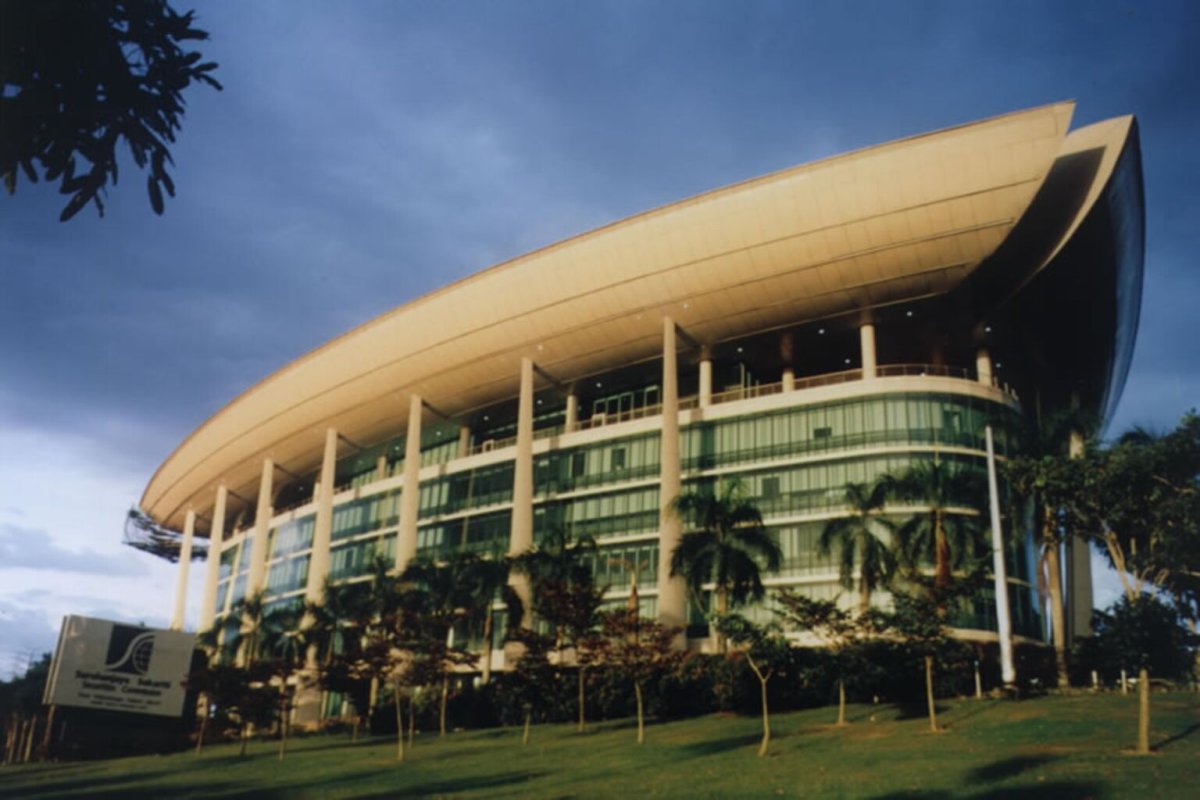
The Securities Commission Malaysia independently reported the same 23% turnover increase when it revised digital-asset exchange rules on May 20. The changes streamlined token listings but raised requirements for financial resilience, management standards, and safeguarding customer assets. Regulated exchanges are also scheduled to join the Financial Markets Ombudsman Service in 2026, providing customers with a formal dispute resolution channel.
Market Concentration
Despite headline growth, the exchange market remains highly concentrated. The regulator's 2025 stability review revealed that Luno accounted for 97.82% of domestic digital-asset exchange value at year-end. While the number of digital-asset investors grew by approximately 29%, this concentration means that overall market growth is still heavily dependent on a single operator.
Shariah Compliance Framework
Malaysia's Shariah framework is notably explicit. The commission's digital-assets register identifies Bitcoin, Ether, XRP, and Stellar as Shariah-compliant, among others. Moreover, from March 30, exchange operators wishing to offer Shariah-compliant digital currencies must obtain endorsement from the regulator's Shariah Advisory Council. This label applies to approved assets on regulated venues, not to cryptocurrency trading in general.
Bank Revenue Impact
Fitch noted that ten digital-asset businesses, including exchanges, custodians, and initial-exchange-offering operators, were regulated in Malaysia by mid-year. However, banks largely provide transaction services to registered operators. Across Fitch-rated Islamic banks, cryptocurrency trading, brokerage, custody, and financing have not generated material revenue.
For investors in lenders, this distinction is crucial. Fee income could expand if banks move from payment rails into custody or brokerage, but such moves would introduce operational, liquidity, compliance, and reputational risks. A larger pool of approved assets does not reveal the take rate, customer balances, or capital burden that would determine whether such business lifts returns.
Divergent Islamic Finance Approaches
There is no unified Islamic-finance rulebook for crypto. Fitch cited a lack of harmonised guidance from global standard setters and conflicting scholarly views. Pakistan has recently provided a restrictive counterexample, while the UAE is moving faster, with a small number of banks offering brokerage and custody. Yet, this does not establish the path Malaysian banks will take.
What to Watch
The next useful evidence will come from disclosures rather than additional token approvals. Investors should look for bank-reported custody or brokerage revenue, a less concentrated split of exchange turnover, and measurable institutional demand under the revised rules. Until those figures appear, Malaysia presents a clear regulatory-access story and a small, concentrated trading market, not a proven Islamic-banking profit pool.