Global financial markets faced significant pressure on Tuesday as geopolitical tensions in the Middle East escalated, sending shockwaves through energy markets and rattling investor confidence. The conflict, now in its fourth day, has shifted from a localized event to a broader economic threat with direct implications for inflation and monetary policy.
Market Reaction and Energy Shock
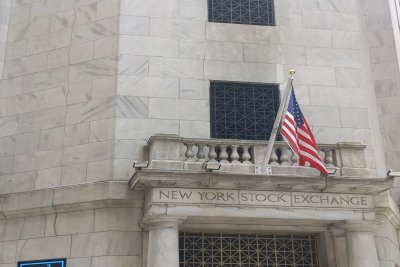
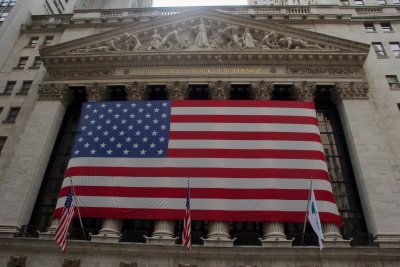
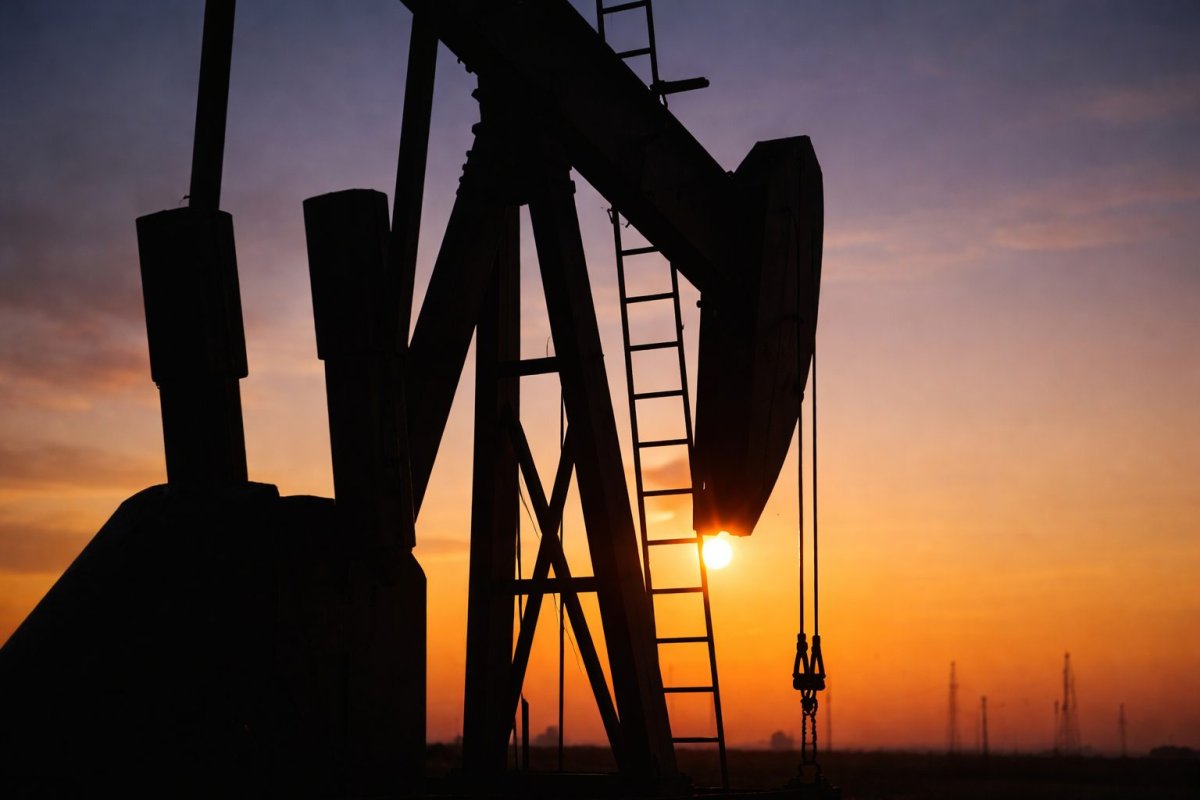
U.S. equity futures pointed to a sharply lower open, with Dow futures down approximately 850 points, or 1.8%. The sell-off was global in scope, as South Korea's Kospi index closed with a steep 7.2% loss. The primary catalyst was a dramatic surge in energy prices, with crude oil jumping 15% over just two days and European wholesale natural gas prices spiking 40%. This abrupt move followed reports of attacks in Tehran and Beirut, as well as on U.S. diplomatic facilities, which have severely disrupted logistics.
The Strait of Hormuz, a critical chokepoint for roughly one-fifth of global seaborne oil and liquefied natural gas (LNG) shipments, has seen significant traffic snarls. In a major development impacting global gas supplies, Qatar, a top LNG exporter, has halted production. The cost of shipping crude from the Middle East to Asia has skyrocketed, with tanker rates nearly quadrupling to over $400,000 per day.
Inflation and Policy Implications
Analysts warn that the surge in energy costs poses a direct threat to the disinflationary trend, potentially derailing expectations for near-term interest rate cuts from the Federal Reserve. "Investors have been banking on rate cuts and steady corporate earnings, but an oil shock is the curveball that could unravel both assumptions," noted one market strategist. The fear is that sustained higher fuel prices will filter through the economy, reigniting inflationary pressures and forcing central banks to maintain a restrictive policy stance for longer.
David Stubbs, Chief Investment Strategist at AlphaCore Wealth Advisory, suggested that while conflict often doesn't materially impact U.S. corporate profits in the long run, the duration is key. Equity markets might absorb a month of disruption, but a prolonged or expanding conflict would be harder to ignore. Jason Pride of Glenmede echoed that geopolitical shocks typically spark near-term volatility but rarely alter the broader market's trajectory for an extended period.
Geopolitical Context and Evacuations
The security situation remains fluid with low political visibility. The United States has ordered the evacuation of non-emergency staff and families from parts of the Middle East and has shuttered embassies in response to the attacks. According to a Reuters source familiar with Israel's war plan, the operation was mapped for two weeks, though U.S. and Israeli leadership have remained silent on a definitive timeline for de-escalation.
Investor Focus and Sector Dynamics
Despite the geopolitical headlines, some analysts point to underlying market strengths. The S&P 500's heavy weighting toward mega-cap technology stocks keeps a portion of investor focus anchored to themes like artificial intelligence and corporate earnings growth. This sector concentration can sometimes provide a buffer, as seen earlier in the week when stocks found footing after an initial dip on Monday before Tuesday's sharper decline.
The immediate concern for traders, however, has squarely shifted to the energy complex. After initially downplaying the conflict's market impact, investors are now aggressively repricing the risk of a protracted disruption to global energy supplies. The combination of production halts, shipping chaos, and soaring transport costs creates a perfect storm for energy markets, with downstream effects on manufacturing, transportation, and consumer spending.
The coming days will be critical in assessing whether the conflict remains contained or triggers further escalation. Market stability will likely hinge on the restoration of safe passage through the Strait of Hormuz and a clear path toward diplomatic resolution. Until then, volatility is expected to remain elevated as the world watches the interplay between geopolitical risk and economic fundamentals.