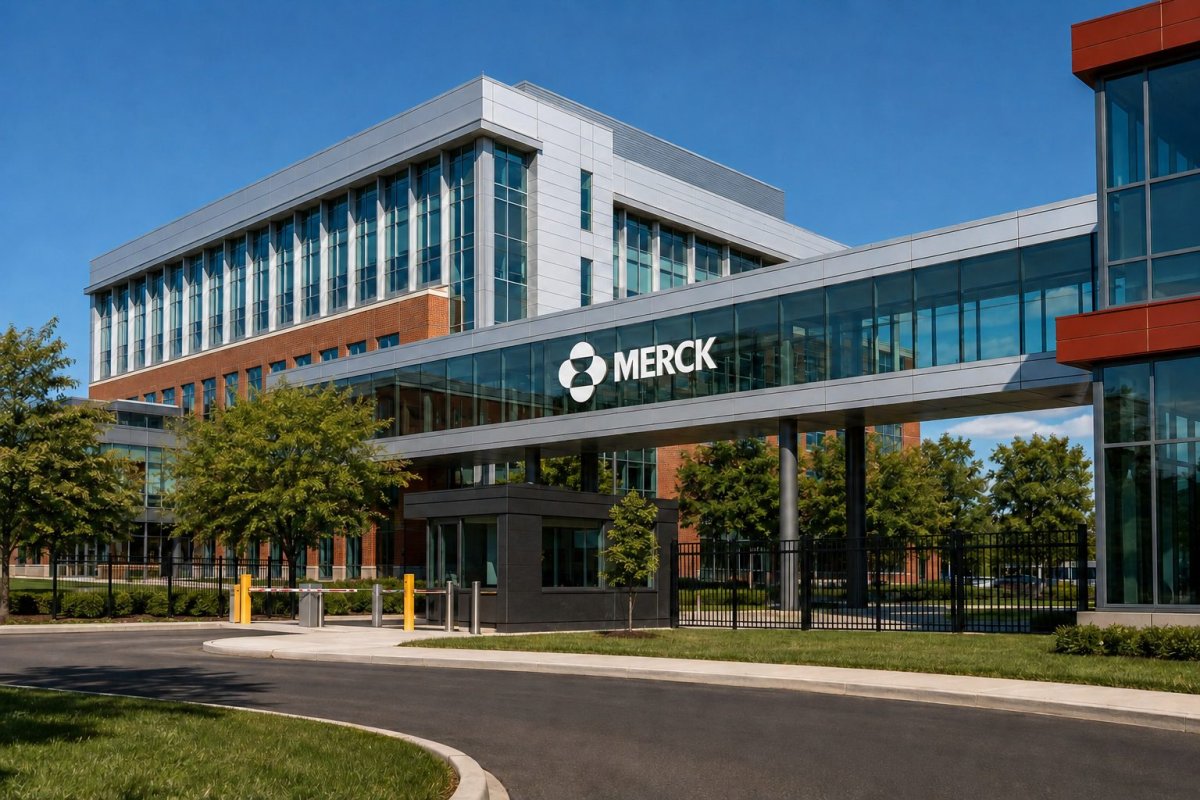
Merck & Co. (NYSE: MRK) saw its stock climb 1.89% to $132.88 by 11:40 a.m. EDT on Wednesday, as investors reacted to a presidential directive aimed at splitting the combined measles, mumps, and rubella (MMR) vaccine into three separate shots. However, the move is not expected to deliver immediate financial benefits, given the lengthy development timeline and regulatory hurdles involved.
The executive order directs federal agencies to work with pharmaceutical companies on developing individual vaccines for measles, mumps, and rubella. Merck currently markets M-M-R II and ProQuad, while GSK (NYSE: GSK) offers PRIORIX. None of these are single-disease vaccines; they are all combination products. The U.S. Food and Drug Administration's approved list includes only combined MMR or MMRV vaccines, with no standalone measles, mumps, or rubella vaccines.
Merck has been upfront about the timeline. In a 2025 statement cited by PolitiFact, the company said, "We estimate that, in total, it could take more than 10 years" to secure approvals and begin commercial distribution of three new vaccines. This extended horizon suggests that any revenue contribution from the split vaccines is far off.
The financial impact of the vaccine division is currently modest. Merck does not break out M-M-R II sales separately, but the combined ProQuad, M-M-R II, and Varivax segment declined 3% in the second quarter of 2026. Preliminary estimates put that segment's sales at roughly $591 million, down from $609 million a year earlier, representing approximately 3.6% of Merck's total quarterly revenue of $16.61 billion.
By contrast, Merck's oncology franchise, led by Keytruda, remains the primary growth driver. Keytruda plus Keytruda Qlex generated $8.37 billion in the last quarter, more than 14 times the projected vaccine segment sales. Gardasil contributed $1.17 billion, or about 7% of total revenue. Merck has raised its full-year sales outlook to a range of $66.3 billion to $67.3 billion, reflecting confidence in its overall portfolio.
Wall Street sentiment is generally positive but cautious. Of 22 analysts tracked by MarketBeat, 15 rate the stock a "buy," with an average price target of $135.50, implying just 2.0% upside from Wednesday's late-morning level. The stock traded 1.6% below its 52-week high of $135.05 set in July. The low target stands at $90, while the high is $155.
The presidential order could potentially ease development costs if the government provides financial backing, but many details remain unresolved. Pricing, procurement conditions, and the sustainability of a market for standalone vaccines have yet to be established. There is also a risk that the directive could reduce demand for existing combination vaccines, which might offset any long-term gains.
For now, the MMR split directive is more of a cost initiative than a confirmed product roadmap. Investors should focus on Keytruda's performance, upcoming pipeline launches, and the looming patent expiration for Keytruda in 2028, which remains the key strategic challenge for Merck.