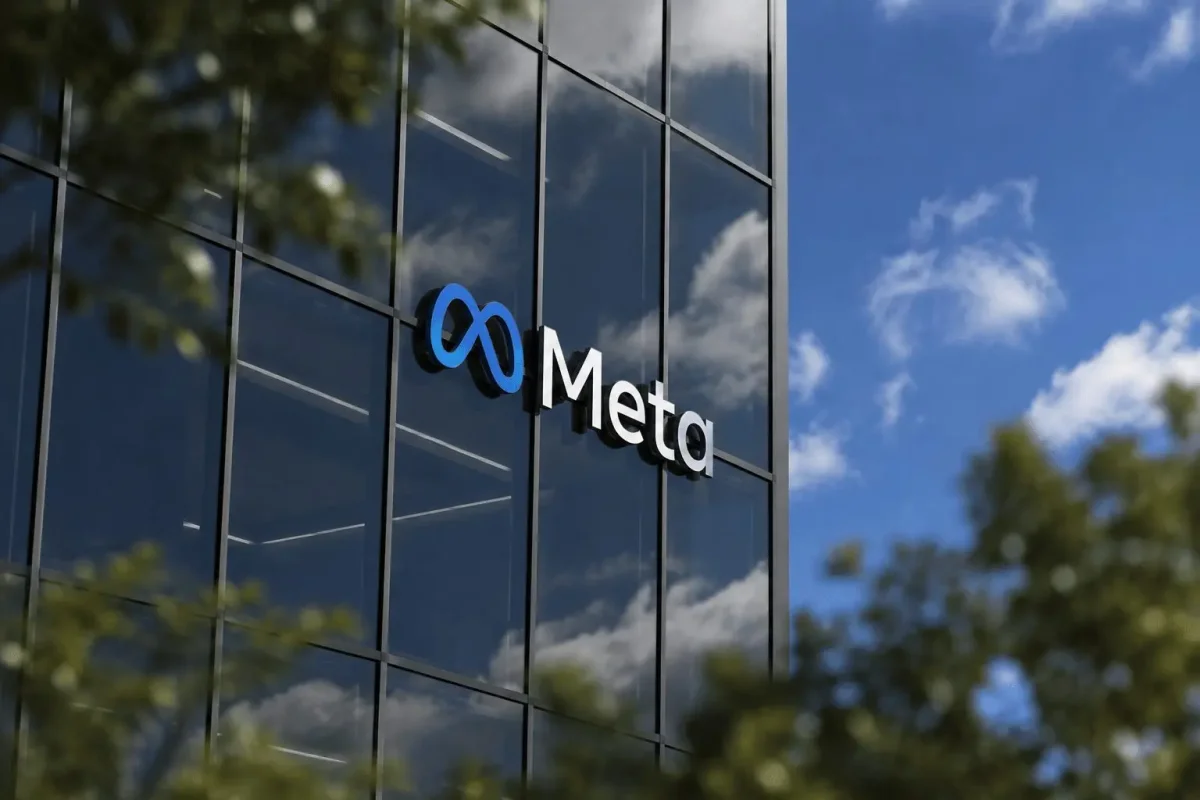
Meta Platforms (META) saw its stock decline 5.1% on Monday, closing at $600.47, as investors expressed concerns over the company's ambitious artificial intelligence capital expenditure plans. The drop came ahead of Tuesday's regular Nasdaq trading session, with the stock touching a low of $599.53 during the day.
AI Spending Under Scrutiny
Wall Street's focus has shifted from merely rewarding AI investments to examining their costs. Meta's latest quarterly filing revealed estimated 2026 capital expenditures between $125 billion and $145 billion, earmarked for AI infrastructure and core business needs. This hefty price tag has sparked debate about the returns on such massive outlays.
Adding to the pressure, Alphabet (GOOGL) announced Monday it would raise $80 billion through equity offerings, including a $10 billion investment from Berkshire Hathaway, to fund its own AI infrastructure. As Google and Meta compete fiercely for digital advertising dollars, Alphabet's move has intensified scrutiny on both companies' AI spending strategies.
Analyst Recommendations
Bank of America analysts, led by chief U.S. stock strategist Savita Subramanian, advised clients to favor "capex takers" such as semiconductor and hardware companies over "crowded AI spenders" like Meta. They warned that tech stocks could hit an "air pocket" if high expectations collide with rising AI costs. Meta falls into the hyperscaler category that is now facing greater investor skepticism.
Financial Performance
Despite the spending concerns, Meta's core business remains robust. First-quarter revenue surged 33% year-over-year to $56.31 billion, driven by a 19% increase in ad impressions across its family of apps and a 12% rise in average ad prices. The company's family of apps reported 3.56 billion daily active people in March, up 4% from last year. However, that figure slipped slightly from the previous quarter, partly due to internet outages in Iran and WhatsApp restrictions in Russia.
Risks and Outlook
Investors are questioning whether advertising revenue and new AI-powered ad products can keep pace with a capex plan that resembles a utility company's spending rather than a lean internet firm. Analysts from D.A. Davidson noted that Meta's April earnings "met expectations, but failed to impress investors," particularly compared to Google's stronger results.
Legal and operational risks also loom. Youth-safety lawsuits across multiple jurisdictions could result in significant fines, damages, or changes to Meta's business practices. Additionally, if AI demand wanes or data-center costs escalate beyond projections, the expected returns on these investments may not materialize.
Tuesday's trading will be a key test for Meta. The company needs to convince investors that AI spending will translate into higher ad prices, improved automation, and increased user engagement sufficient to cover costs. If it fails, shares may track Wall Street's tolerance for Meta's spending cap rather than the underlying performance of Facebook and Instagram.