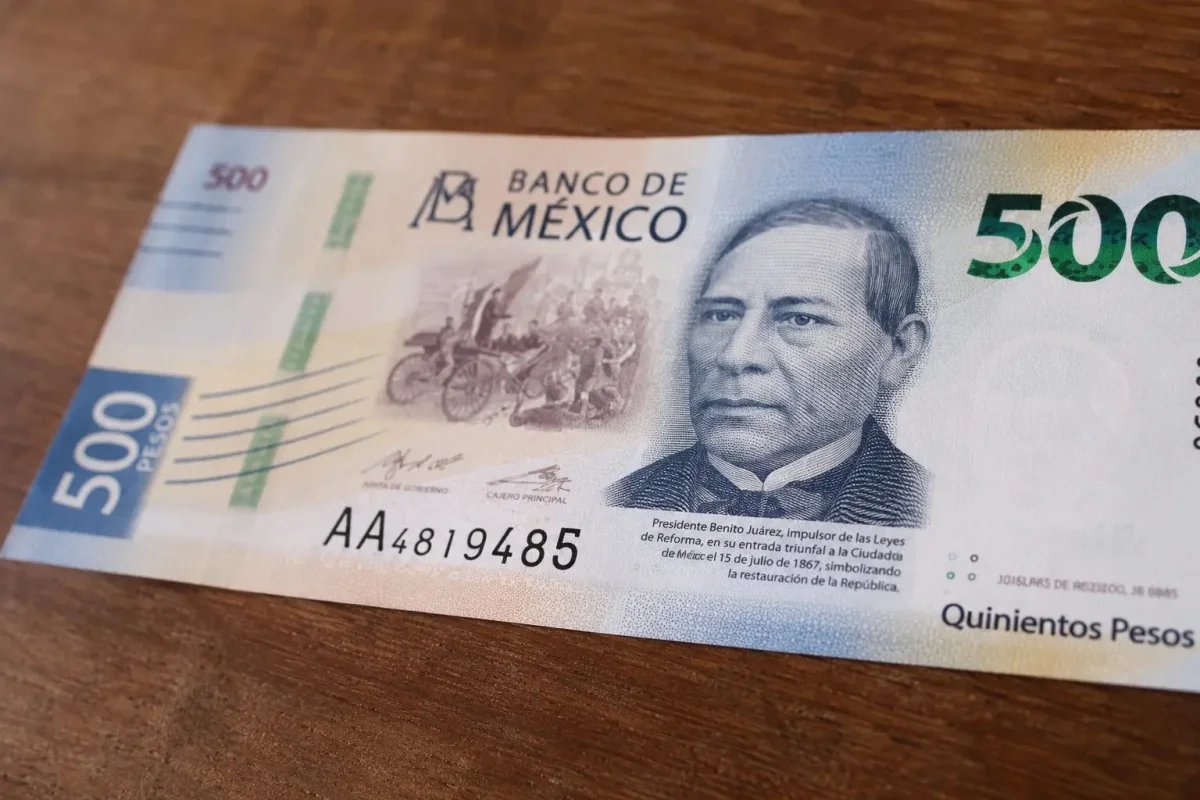
The Mexican peso experienced its most significant single-day decline since March on Friday, sliding 1.1% to close at 17.4793 per dollar. This sharp move came after a stronger-than-expected U.S. employment report boosted the greenback and reinforced market bets that the Federal Reserve may keep interest rates elevated for an extended period, thereby narrowing the yield advantage that has supported the peso.
Strong US Jobs Data Sparks Dollar Rally
The U.S. Bureau of Labor Statistics reported that nonfarm payrolls increased by 172,000 in May, while the unemployment rate held steady at 4.3%. Job gains were concentrated in leisure and hospitality, local government, and health care sectors, though financial activities saw a decline in employment. The data exceeded consensus estimates and included upward revisions for prior months, fueling a broad-based dollar rally.
According to Reuters, U.S. rate futures now imply a 65% probability of a Federal Reserve rate hike by December, up from 48% before the release. The two-year Treasury yield climbed to 4.15%, and the 10-year yield rose to 4.54%. Marc Chandler, chief market strategist at Bannockburn Global Forex, noted that while "the bar to a Fed change is very high," he still sees "a good chance of a hike before the end of the year."
Impact on the Mexican Peso
The peso's decline erased the currency's earlier gains for the week, leaving it with a 0.8% weekly loss. The exchange rate traded in a range of 17.2653 to 17.5360 during Friday's session, according to Banxico data cited by El Economista. Gabriela Siller, director of economic analysis at Banco Base, attributed the peso's weakness directly to the stronger dollar driven by the jobs report, which beat estimates and came with favorable revisions to previous months.
For much of the past year, the peso has been supported by carry trade dynamics, as investors sought the high yield offered by Mexican interest rates relative to those in the U.S. However, the narrowing of that yield gap—as U.S. yields rise and the Fed appears less likely to cut rates—has reduced the peso's appeal. Banxico lowered its key rate to 6.50% in May and signaled the end of a two-year rate-cutting cycle, stating it is "appropriate to maintain the reference rate at its current level." This leaves the peso with less cushion against a rising U.S. rate environment.
Broader Market Context
The dollar strengthened broadly, with the ICE dollar index gaining 0.65% to 100.06 against a basket of major currencies. The yen weakened past the 160 per dollar level, while the euro fell 0.75% and sterling dropped 0.64% following the jobs data. Reuters reported that the dollar was on track for a weekly gain of more than 1%. Geopolitical factors also played a role, as ongoing Gulf hostilities and oil prices above $90 per barrel boosted safe-haven demand for the dollar, according to Reuters. Investing.com noted that Middle East tensions and lighter speculative positions in the peso contributed to a risk-off mood in the market this week.
Implications for Businesses and Households
For small businesses and households in Mexico, the peso's depreciation means the dollar is now trading near 17.48, up from 17.29 the previous day. This shift is particularly noticeable for those buying dollars, handling remittances, or moving savings, as highlighted by El Informador. The move tests the "superpeso" narrative that had dominated market sentiment earlier in the year.
Outlook
Market participants are watching for potential reversals. If the Federal Reserve holds rates steady at its upcoming meeting and energy-related concerns ease, the peso's yield advantage could attract buyers back. However, if U.S. yields continue to rise or risk aversion persists, the peso may remain under pressure. Monex has set a USD/MXN trading range of 17.41 to 17.57 for Monday, reflecting uncertainty about the near-term direction.