U.S. mortgage rates edged lower this week after a preliminary U.S.-Iran agreement helped cool oil prices and Treasury yields, but the Federal Reserve's decision to hold rates steady and its higher inflation outlook kept the relief limited for borrowers.
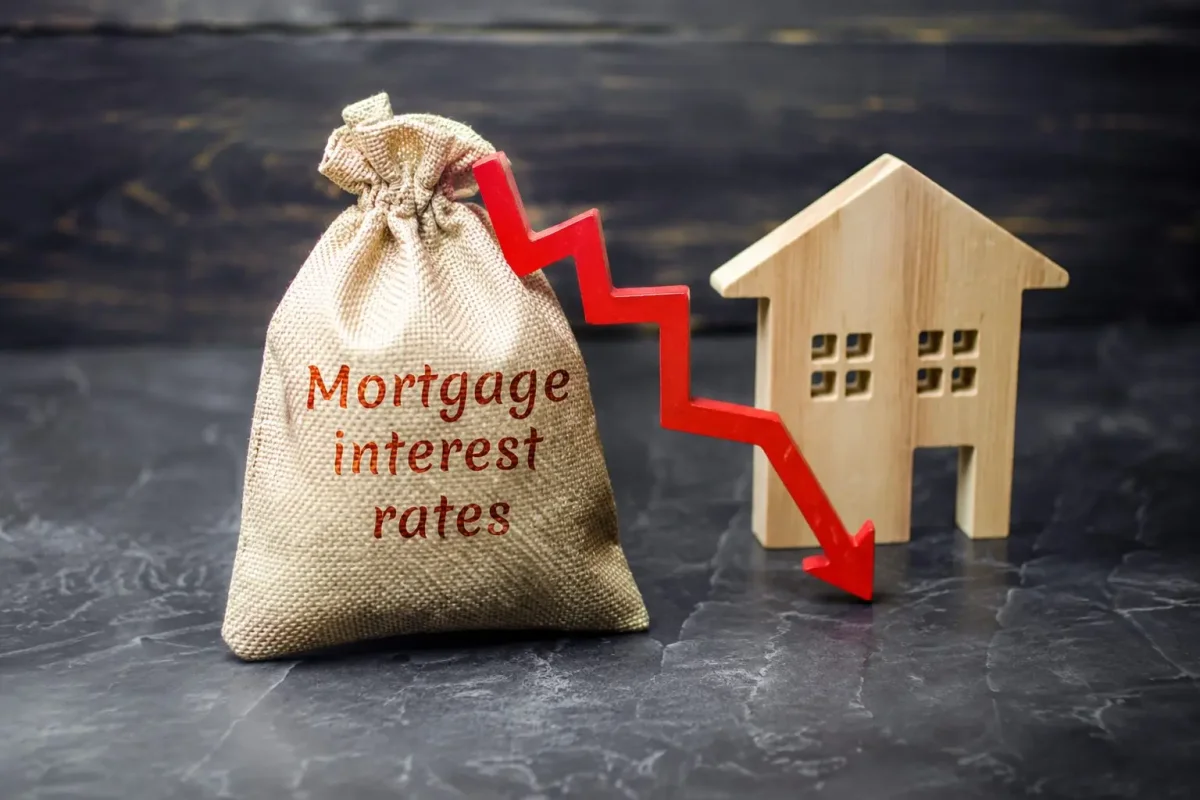
Freddie Mac reported Thursday that the average 30-year fixed mortgage rate fell to 6.47%, down five basis points from last week's 6.52%. A year ago, the rate stood at 6.81%. The 15-year fixed rate also declined, dropping to 5.81% from 5.84% last week, compared to 5.96% a year earlier.
The move came as Treasury yields fell, with the 10-year note slipping to around 4.44% from 4.53% last week, following news of a preliminary U.S.-Iran deal that eased concerns about oil supply disruptions. Brent crude fell to its lowest level since before the Iran conflict, and U.S. crude followed suit.
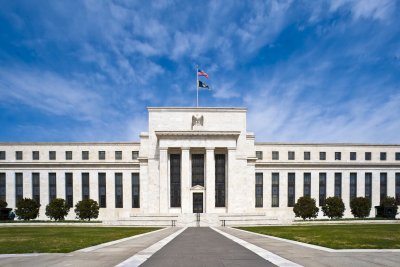
However, the Federal Reserve left its overnight lending rate unchanged at 3.50%-3.75% at its meeting this week. New economic projections from the Fed indicated higher inflation expectations than in March, which could keep long-term borrowing costs elevated even as energy prices decline.
"The Iran headlines may take some heat off, but the Fed is in no mood to let mortgage rates drop much," said Kate Wood at NerdWallet. Eric Orenstein at Fitch Ratings added that lenders should not expect a refinancing boom in 2026.
Mortgage rates remain above 6%, and the savings from the latest decline are modest. On a $400,000 30-year loan, the drop from 6.52% to 6.47% reduces monthly principal and interest payments by about $13. Compared to last year's 6.81% rate, the savings are roughly $90 per month, still not enough to significantly improve affordability given high home prices.
Pending home sales rose 3.8% in May, the largest increase since November, according to the National Association of Realtors. Existing home sales also climbed 3.2% to a 4.17 million annual rate. However, NAR economist Lawrence Yun noted that insufficient supply continues to keep price growth elevated.
Mortgage rate quotes varied across sources. Bankrate's national average for a 30-year fixed was 6.51%, while Zillow-based data from Yahoo Finance showed 6.24%. The differences reflect varying lender pools, reporting times, and borrower characteristics, but the overall trend was clear.
Oil markets were the initial catalyst. A preliminary U.S.-Iran deal opened the possibility of reopening the Strait of Hormuz and easing sanctions, removing what analysts called a "big risk premium" from crude. However, execution remains uncertain, with key issues like Iran's nuclear program subject to a 60-day negotiation window. Goldman Sachs, BNP Paribas, and Bank of America see it taking weeks or months before Hormuz oil flows normalize.
Sam Khater, Freddie Mac's chief economist, said recent data show consumer spending is holding up and purchase demand is seeing slight gains. But with the Fed signaling caution and inflation still sticky, mortgage rates are unlikely to see significant declines in the near term, leaving borrowers with tough choices in a market where prices remain high.