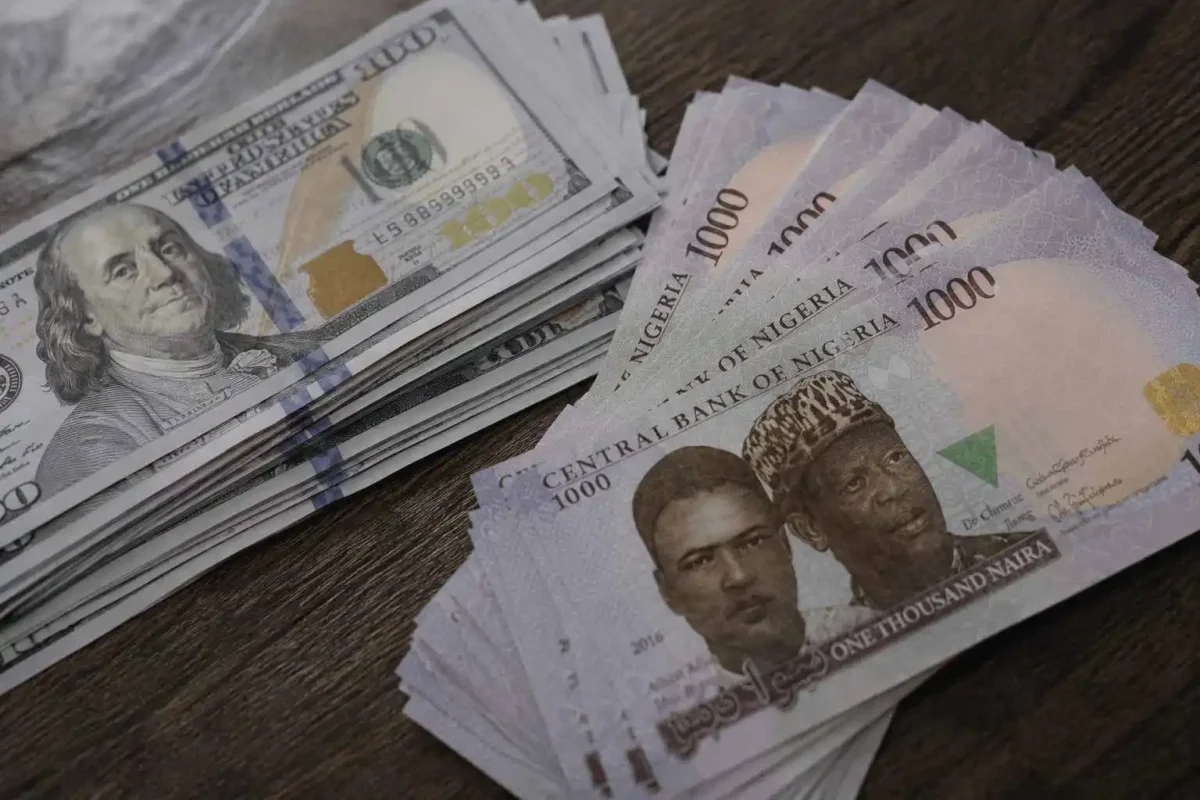
LAGOS, July 25, 2026 – The Nigerian naira ended Friday at ₦1,362.09 per dollar in official trading, marking a 1.4% weekly gain. The currency was the only one to appreciate among five African markets tracked, but traders remain cautious due to thin liquidity and expected dollar demand from fuel importers.
Thursday’s interbank turnover fell 19.8% to $334.13 million, with the number of deals dropping to 122 from 198 the prior day. The official-to-parallel market spread widened to 2.93%, up from 1.8% a week earlier, indicating limited dollar supply in the formal market. Analysts describe the move as a liquidity-led rally rather than a broad increase in dollar availability.
Fuel importers are expected to front-load dollar purchases when trading resumes Monday to rebuild inventories, which could reverse part of last week’s gain. A market trader noted that these bids are likely to challenge the naira’s advance.
Gross reserves provided a buffer, reaching $52.03 billion on July 22, a 17-year high and 35.6% above the same period last year. However, the parallel market rate was near ₦1,410, implying a 3.5% premium to the official close, underscoring the cost of hedging in the current environment.
Coronation Merchant Bank reported that the naira averaged about ₦1,365 in the first half of 2026, outperforming its own forecast of ₦1,382. Analysts described the performance as “notable resilience.” The bank’s year-end forecast of ₦1,456 implies a potential 6.9% depreciation from Friday’s close, excluding interest income, taxes, and trading costs.
The 12-month Nigerian Treasury bill yield stood at 20.75% on Friday, while the central bank held its policy rate at 26.50% at its Tuesday meeting. Robert Omotunde of MDU Capital said tight monetary conditions should reinforce the attractiveness of naira-denominated assets, supporting carry trade demand. However, the wide parallel premium makes hedging expensive.
Regional comparisons highlighted the naira’s relative strength. The Ghanaian cedi weakened 1.0% to 11.61 per dollar, driven by corporate demand. Uganda’s shilling fell 1.4% to 3,740, pressured by higher oil costs. Zambia’s kwacha was stable at 18.54, supported by firm copper prices, while Kenya’s shilling held at 129.50.
When trading resumes Monday, turnover will be the first test of market depth. A narrower parallel premium would offer a second sign of stability. Another thin-volume gain would leave the rally vulnerable to a pullback. Risks include higher oil prices, which can lift both export receipts and fuel import costs, as well as softer portfolio inflows or reduced official support.
