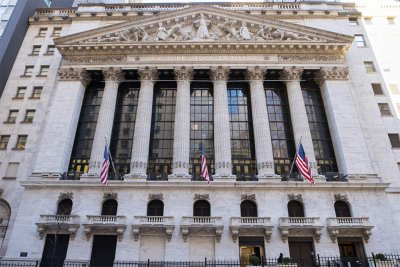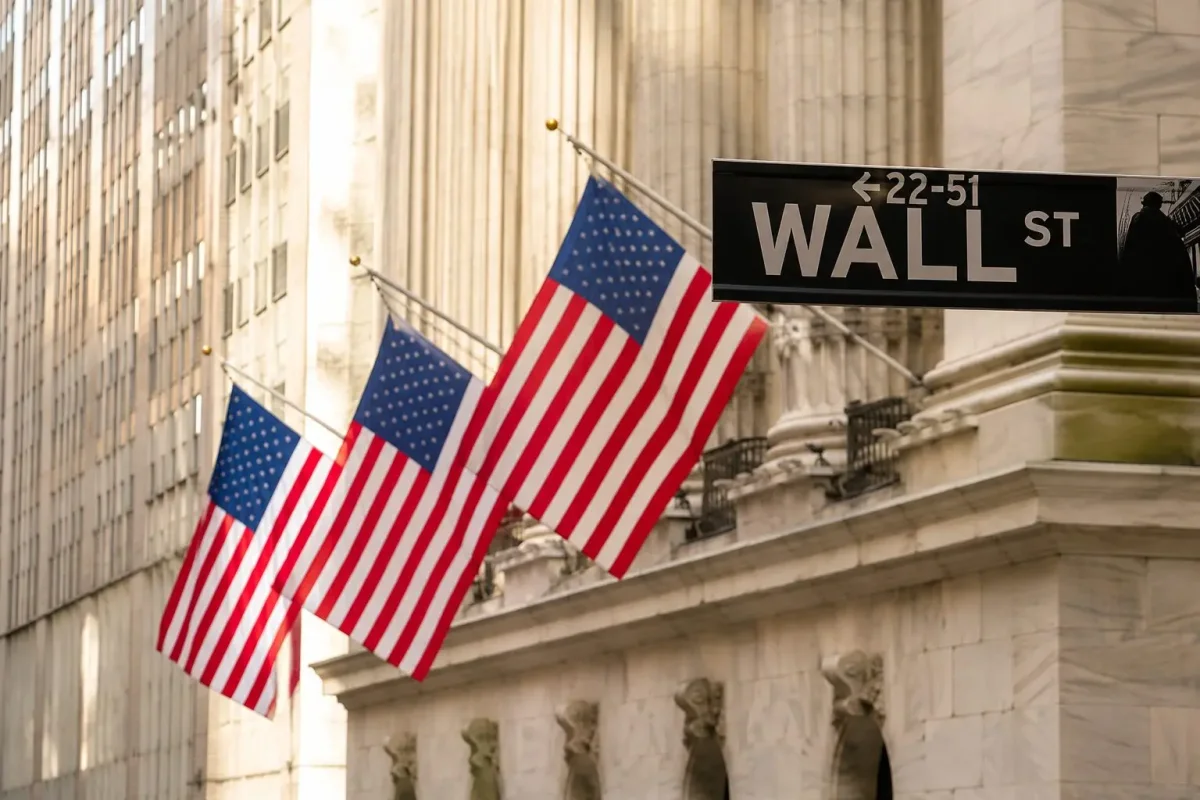
Wall Street closed higher on Thursday, with the Nasdaq Composite leading the charge as technology stocks rebounded sharply ahead of the Juneteenth holiday. The Nasdaq jumped 496.28 points, or 1.91%, to finish at 26,517.93. The S&P 500 rose 80.48 points, or 1.08%, to 7,500.58, and the Dow Jones Industrial Average gained 72.15 points, or 0.14%, ending at 51,564.70. U.S. equity markets will be closed on Friday for Juneteenth, making Thursday the final trading day of the holiday-shortened week.
Chip Stocks Lead the Rally
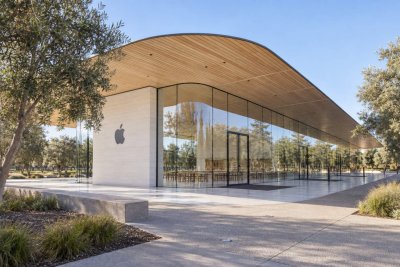
The semiconductor sector was the standout performer, with the Philadelphia Semiconductor Index surging 6.4%. Intel soared 10.6% to a record high after President Donald Trump announced that Apple plans to collaborate with Intel on chip design and manufacturing in the United States. The news sparked a broad tech rally, lifting the Nasdaq and helping to reverse some of the losses from earlier in the week when hawkish Federal Reserve comments rattled markets. The S&P 500 gained 0.93% for the week, while the Nasdaq added 2.43% and the Dow rose 0.71%.
Market Context: Fed Risks and Oil Prices
The rally came despite lingering concerns about the Federal Reserve's monetary policy. On Wednesday, the Fed kept its federal funds rate target at 3.50%-3.75%, but new projections showed nine policymakers expect a rate hike before year-end. Traders are pricing in about a 50% chance of a 25-basis-point hike in September, according to CME FedWatch data. However, Thursday's session was buoyed by a pullback in oil prices after the United States and Iran reached an interim deal, extending a ceasefire and reopening the Strait of Hormuz to shipping. Lower oil prices helped ease inflation fears, which have been a key driver of Fed hawkishness.
Other Market Movers
Not all sectors participated in the rally. Accenture dropped around 18% after cutting the high end of its annual revenue outlook, dragging down other consulting and IT services stocks such as Cognizant, Gartner, and IBM. Accenture CEO Julie Sweet noted that the indirect impact of tighter client budgets had accelerated in recent weeks. Analysts pointed to a shift in demand toward AI projects, while broader consulting spending remains constrained. Despite this, the overall market tone was positive, with the Russell 2000 small-cap index jumping 2.1% to a new record close, signaling strong risk appetite.
Triple Witching and Trading Volume
Trading volumes were elevated on Thursday due to "triple witching"—the simultaneous expiration of stock options, stock-index options, and futures contracts. U.S. exchanges handled 33.59 billion shares, well above the 20-session average of 21.83 billion. This event often amplifies price moves and can lead to increased volatility. Analysts described Thursday's bounce as a partial reset rather than a full reversal of inflation concerns. "Markets got spooked by Warsh yesterday essentially promising to contain inflation," said Tony Welch, chief investment officer at SignatureFD. "But easing oil prices and recent data are keeping the market on firmer ground."
Outlook and Key Data Ahead
The sustainability of the rally depends on stable energy markets and the Fed's next moves. A breakdown in the Iran deal could send oil prices higher again, reigniting inflation fears. Meanwhile, strong jobs and price data could revive rate-hike bets. Weekly jobless claims fell to 226,000, indicating a still-tight labor market that gives the Fed little reason to ease. After the long weekend, traders will focus on housing, durable goods, and inflation data. The Census Bureau will release May new-home sales on June 24, followed by durable-goods orders on June 25. The Bureau of Economic Analysis is set to publish the personal consumption expenditures price index—the Fed's preferred inflation gauge—also on June 25.