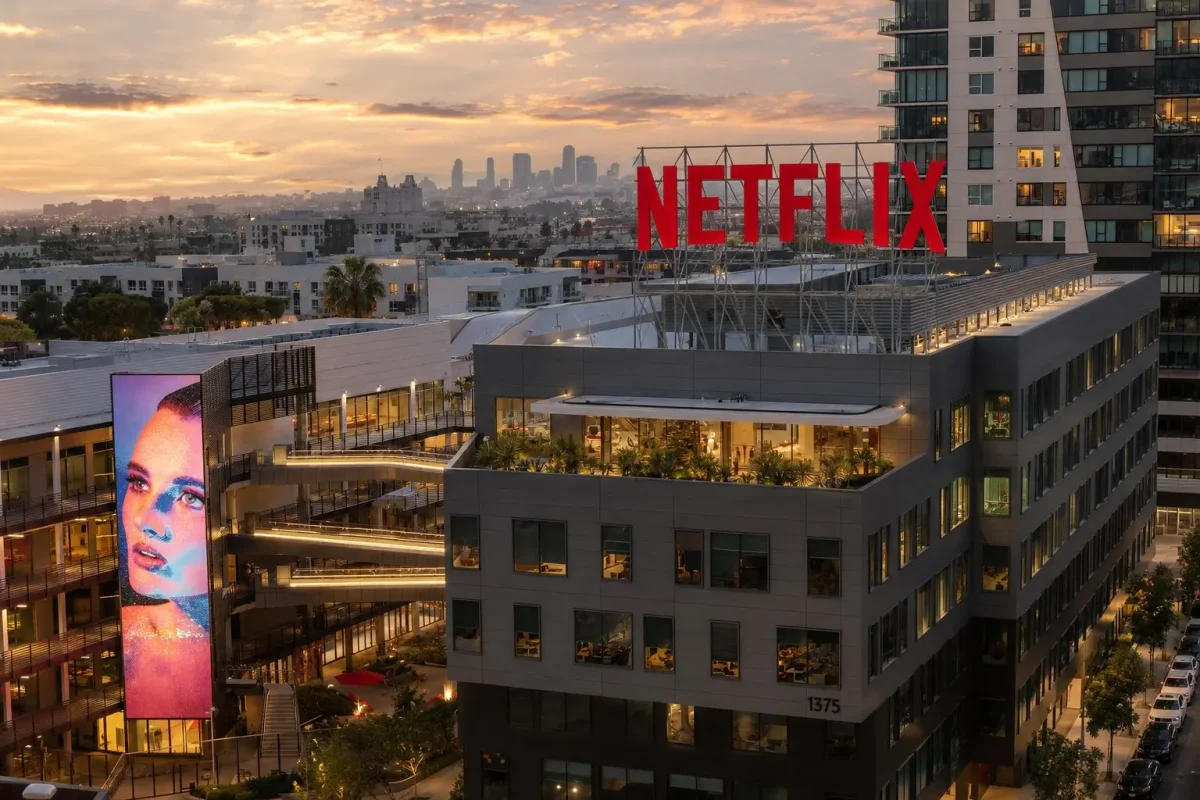
Netflix (NASDAQ: NFLX) shares closed Friday at $87.02, essentially flat for the week, even as broader markets declined. The S&P 500 fell 1.2%, the Dow Jones Industrial Average dropped 1.1%, and the Nasdaq Composite lost 1.5%. Higher oil prices stoked inflation concerns, pushing Treasury yields higher and weighing on growth stocks.
At its New York upfront event this week, Netflix highlighted the scale of its ad-supported tier, stating it now reaches over 250 million global monthly active viewers. The company emphasized that more than 80% of ad-tier users engage with the platform weekly. Netflix also announced plans to roll out its ad-supported plan to 15 additional countries in 2027.
Despite the upbeat ad news, Netflix shares failed to gain momentum. The stock traded in a range of $85.10 to $89.49 over the past week, closing down about 0.5% from the previous week's end at $87.49. The stock remains well below its levels from a month ago, as investors remain cautious about user engagement and the timing of ad revenue growth.
Amy Reinhard, Netflix's president of advertising, declared the company is "ready to compete with anyone" in the ad market. Netflix introduced new programmatic advertising tools, including ads during pauses, live programming, and targeted campaigns via Amazon and Yahoo demand-side platforms.
Analyst reactions were mixed. TD Cowen's John Blackledge noted that Netflix's ad-tier monthly active viewers grew from 190 million in November to 250 million, maintaining his Buy rating and $112 price target. JPMorgan's Doug Anmuth kept a constructive stance with a $118 price target, citing Netflix's reach, content slate, and ad technology progress.
The average analyst price target for Netflix stands at $115.89, according to TipRanks, implying potential upside of more than 33% from current levels. However, Raymond James analyst Andrew Marok stuck with a Hold rating, citing lingering questions about long-term user engagement and the timeframe for ad revenue to meaningfully impact earnings.
Industry research firm Omdia projects that Google, Amazon, and Netflix will collectively capture about half of global connected-TV ad sales by 2030, with Netflix's share estimated at 9%, trailing Google and Amazon. "The battle for the living room is no longer only about streaming content," said Maria Rua Aguete of Omdia.
Amazon, a key competitor, touted its own ad-supported reach of over 300 million users in the U.S. across sports, streaming, podcasts, and commerce at its upfront event, putting Netflix's ad strategy under scrutiny.
Traders remain wary. Netflix shares dropped in April after a soft outlook and the announcement that co-founder Reed Hastings was stepping down as chairman. The company later cleared a $25 billion share buyback after abandoning talks for Warner Bros Discovery assets.
Looking ahead, Netflix's stock direction on Monday will depend on whether the Nasdaq stabilizes and bond yields remain low, potentially pushing the stock back toward the week's high of $89.49. Conversely, renewed risk-off sentiment could test the week's low of $85.10. The broader outlook remains bullish on Wall Street, but the key challenge for Netflix is to demonstrate that ad revenue growth can outpace concerns about user engagement.