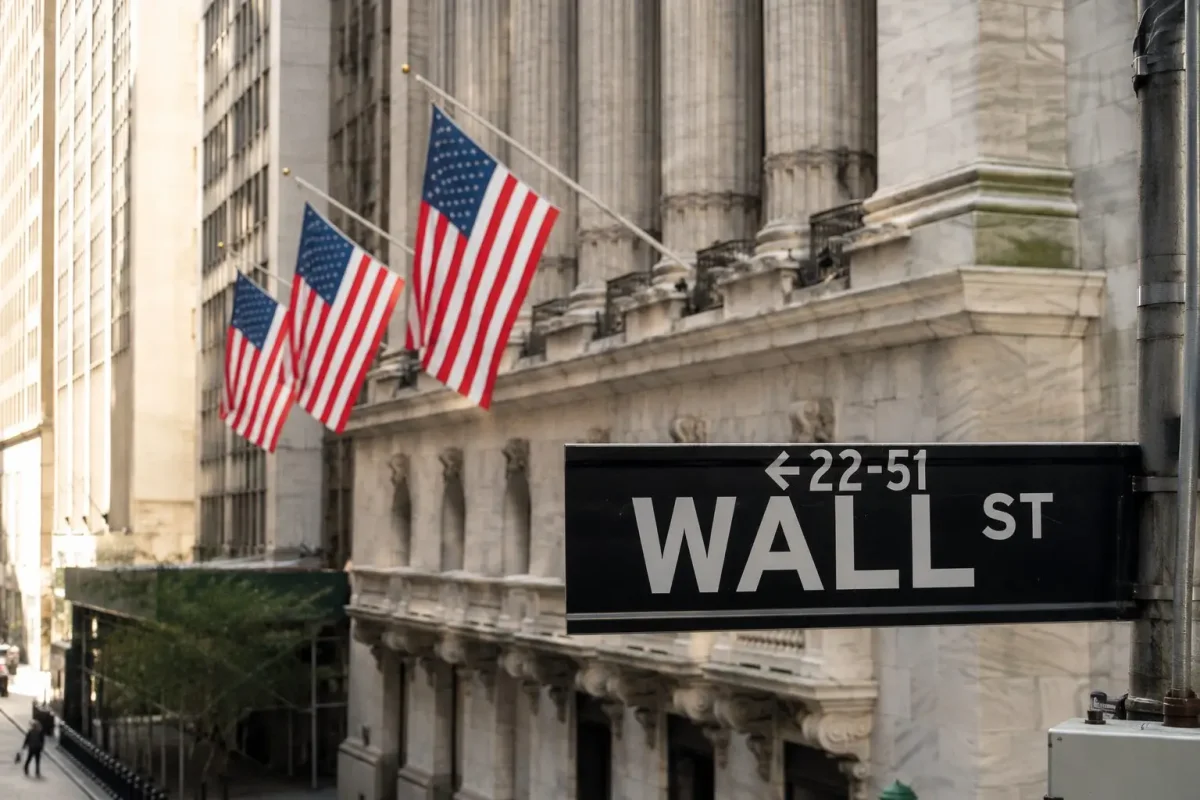
U.S. stock markets closed sharply lower on Friday, with the Dow Jones Industrial Average dropping 537.29 points, or 1.07%, to 49,526.17. The S&P 500 slid 92.74 points, or 1.24%, to 7,408.50, while the Nasdaq Composite lost 410.08 points, or 1.54%, to 26,225.15. The selling extended into after-hours trading, with the SPDR S&P 500 ETF falling 0.25% and the Invesco QQQ Trust, which tracks the Nasdaq 100, losing 0.34%.
The decline was driven by a sharp rise in oil prices and a jump in Treasury yields. U.S. crude surged 4.2% to settle at $105.42 a barrel, while Brent crude rose 3.35% to $109.26. The 10-year Treasury yield hit 4.597%, and the 30-year yield reached 5.122%, fueling concerns that the Federal Reserve may need to raise interest rates further to combat inflation.
Technology and semiconductor stocks were among the hardest hit. The Philadelphia SE Semiconductor Index dropped 4%. Nvidia fell 4.4%, Advanced Micro Devices declined 5.7%, and Intel slid 6.2%. Other major tech names like Microsoft, Apple, Micron, and Tesla also traded lower in after-hours activity. The sell-off came after a week that saw the S&P 500 and Nasdaq reach record highs, driven by enthusiasm for artificial intelligence. However, rising borrowing costs and elevated valuations prompted a sharp reversal.
In corporate news, Berkshire Hathaway disclosed in a regulatory filing a new $2.65 billion stake in Delta Air Lines and a smaller position in Macy's. The conglomerate also reduced holdings in Amazon, UnitedHealth, Visa, and Mastercard. Delta shares rose 3.3% in after-hours trading, and Macy's gained 6.3%.
Meanwhile, Pershing Square Capital Management, led by Bill Ackman, took a new stake in Microsoft during the regular session, calling its valuation "highly compelling." The fund sold its Alphabet position to fund the purchase. Microsoft shares moved higher during the day.
Market participants are now increasingly focused on the Federal Reserve's next moves. According to CME FedWatch, investors see about a 60% probability of a 25-basis-point rate hike by the January 2027 meeting. On prediction markets like Polymarket, odds for zero Fed rate cuts in 2026 stood at 67%, with a 32% chance of a rate hike this year. Geopolitical risks also weighed on sentiment, with Polymarket pricing only a 6% chance that Strait of Hormuz traffic will normalize by the end of May, reflecting ongoing supply concerns.
The broader market impact was evident in small-cap stocks, with the Russell 2000 falling 2.4%. Analysts noted that the market had become overextended in the AI trade. "It has gotten way ahead of itself," said Kenny Polcari of Slatestone Wealth, describing the rally as a "momentum AI trade."
Despite the weekly loss for the Nasdaq, which broke a six-week winning streak, the S&P 500 managed to post its seventh consecutive weekly gain. However, the tone has shifted, with traders now closely watching oil prices, bond yields, and Fed signals rather than earnings reports. Monday's open is expected to be heavily influenced by these factors, as the market reassesses the sustainability of the recent AI-driven rally.