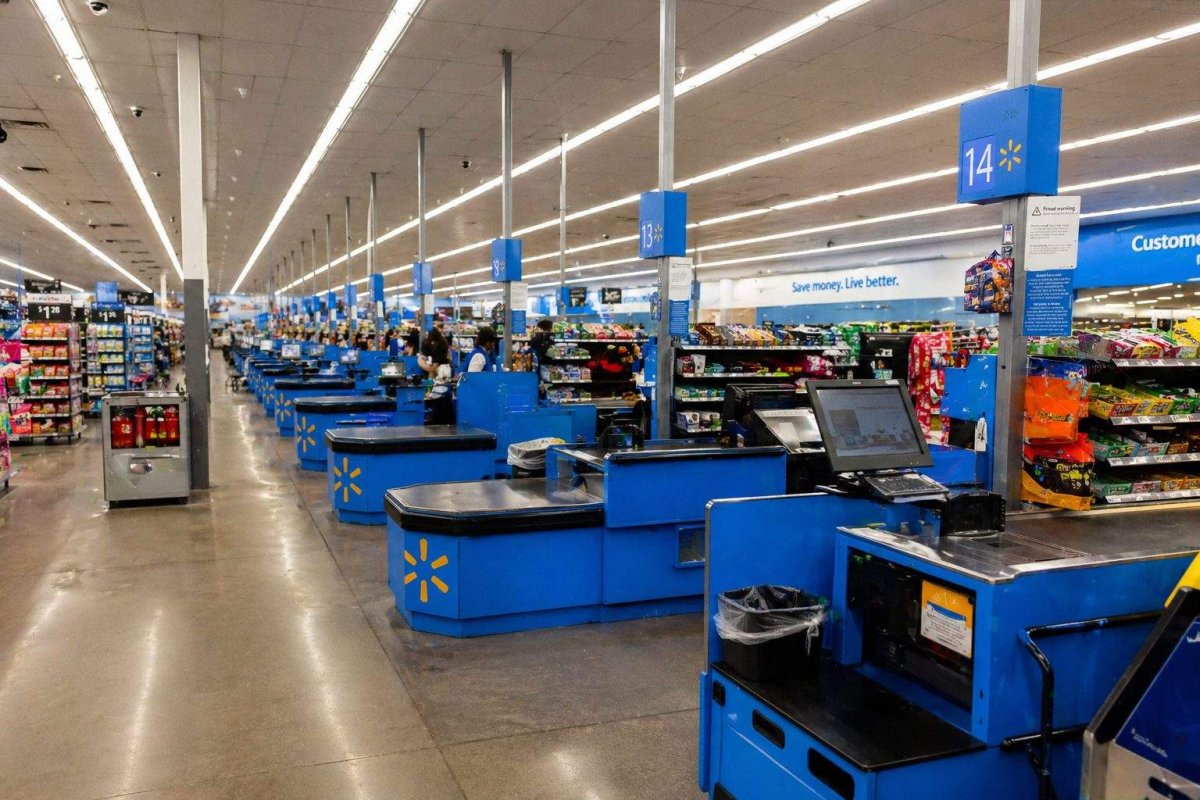
Lawmakers in Massachusetts are pushing forward with legislation that would restrict grocery stores to a maximum of eight self-checkout stations per location. The bill, introduced by Senator Paul R. Feeney, cleared a key committee in December and now awaits consideration by the Senate Ways and Means Committee. If enacted, it would also require at least one staffed checkout lane for every two self-checkout machines, with fines for non-compliance.
Similar initiatives are underway in neighboring states. Rhode Island has companion bills in committee—Senate Bill 2342 and House Bill 7290—that aim to cap self-checkout lanes and set workload limits for employees monitoring those stations. Meanwhile, Connecticut’s version of the legislation stalled in the Judiciary Committee earlier this month, failing to advance further.
These legislative efforts reflect growing scrutiny of self-checkout systems, which have become a flashpoint in debates over labor costs and retail theft. Wayne Pesce, president of the Connecticut Food Association, criticized the state’s failed bill for targeting grocers while ignoring consumer preference for self-checkout. The proposals stop short of banning the technology but seek to increase human oversight by requiring more staffed registers and reducing the number of unattended kiosks.
Major retailers have already begun adjusting their checkout strategies in response to these pressures. Target introduced Express Self-Checkout—limited to 10 items—at most of its roughly 2,000 U.S. stores in March 2024, reporting an 8% improvement in transaction times. Walmart continues to offer staffed lanes for customers who prefer them, and Walmart+ members can use the Scan & Go feature via their smartphones. A Walmart spokesperson clarified in 2024 that self-checkout is not exclusively reserved for subscribers, though some stores may set aside kiosks for members during busy periods.
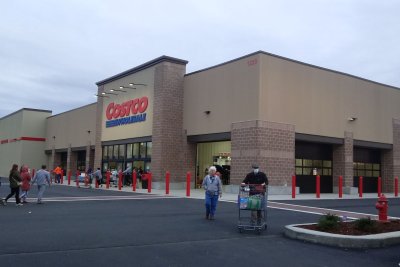
Costco is taking a different approach, piloting faster assisted lanes rather than expanding self-checkout. Chief Financial Officer Gary Millerchip noted that the chain is testing automated pay stations for pre-scanned orders, with an average transaction time of about eight seconds. The pilot has reportedly improved throughput and generated positive member feedback.
Beyond New England, similar moves have emerged in other regions. In 2025, Long Beach, California, passed an ordinance requiring grocery and drug stores with self-checkout to maintain at least one traditional staffed lane, limit self-checkout purchases to 15 items, and assign one worker for every three self-checkout stations.
Supporters of these bills argue that self-checkout shifts unpaid labor onto customers and may contribute to higher theft rates. Opponents counter that fixed staffing ratios increase labor costs, reduce flexibility during slow periods, and could lead to longer wait times if stores choose to close kiosks rather than hire additional staff.
As the debate continues, the political landscape is shifting. Self-checkout was once hailed as a convenience that could speed up lines, but lawmakers are now questioning whether it has become a burden on shoppers and a risk for retailers. For grocers like Walmart, Target, and Costco, the real challenge may not be the technology itself, but rather how they manage the balance between automation and human interaction at the checkout.