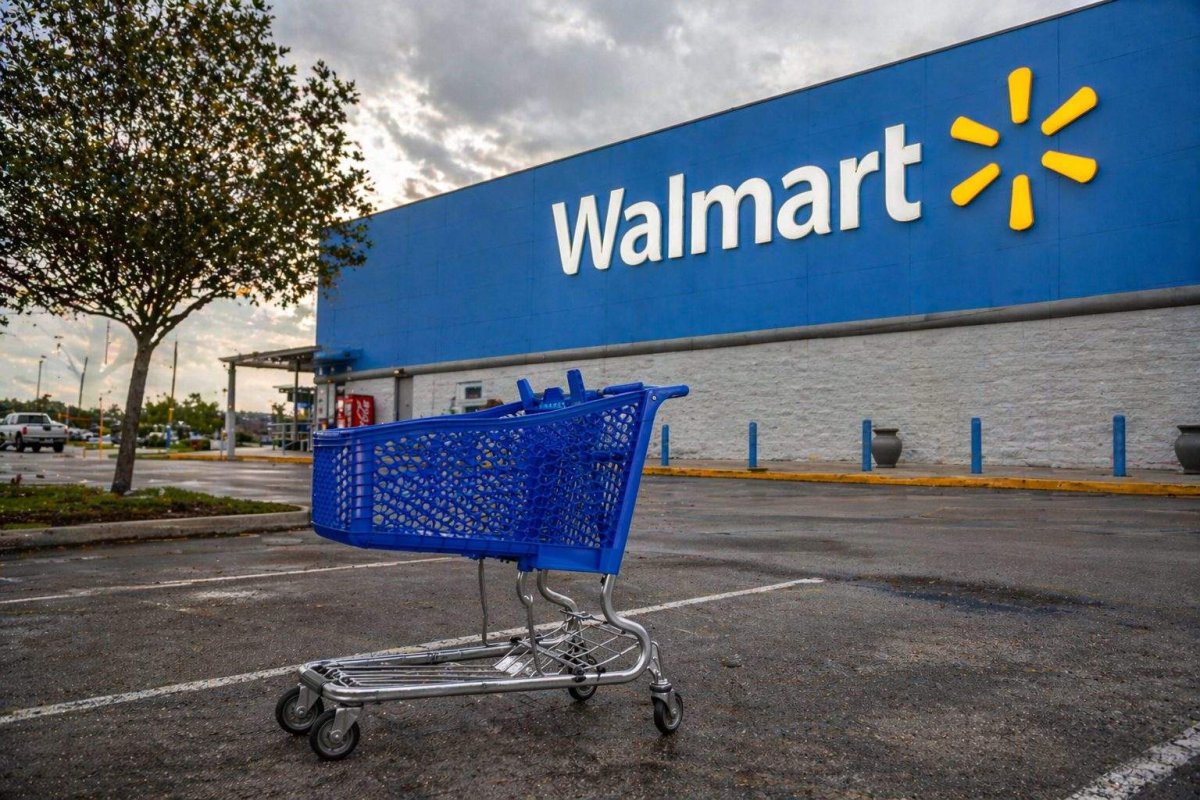
Walmart Inc. is launching a strategic test in Dallas, Texas, utilizing the backroom space of its physical stores to stage inventory from third-party marketplace sellers. The initiative, first reported by the Financial Times, aims to dramatically accelerate delivery times for online orders placed through Walmart's digital marketplace. This move is a direct competitive response to Amazon.com Inc.'s recent expansion of its one-hour and three-hour delivery options across U.S. markets.
Closing the Speed Gap with Amazon
The retail landscape has increasingly become a battle for the fastest doorstep delivery. Amazon set a new benchmark last month by rolling out expedited one-hour and three-hour delivery services. Walmart is now leveraging its vast physical footprint, a scale Amazon cannot directly match, to fight back. The company stated it can currently reach 95% of U.S. households with delivery in three hours or less. This new backroom pilot seeks to integrate marketplace items into that rapid fulfillment network.
Manish Joneja, Senior Vice President of Walmart U.S. Marketplace and Walmart Fulfillment Services, confirmed to the FT that the company plans to introduce a limited selection of marketplace products for pickup and delivery in select markets. Crucially, these goods are sourced from independent third-party sellers, not from Walmart's own core inventory.
Strategic Integration and Financial Incentive
This test represents a significant evolution in Walmart's e-commerce strategy. Its stores already manage pickup and speedy delivery for groceries and Walmart-owned general merchandise. By extending this infrastructure to third-party sellers, Walmart aims to create a more seamless shopping experience, effectively bringing its marketplace closer to the heart of its overall retail operation.
The financial rationale is clear. While groceries drive frequent customer visits, general merchandise categories like home goods, hardlines, and fashion typically yield larger basket sizes and higher-margin advertising revenue. Walmart's CFO, John David Rainey, noted at a recent JPMorgan event that marketplace revenue is growing at approximately 20%, with some categories surging over 30%. He emphasized the marketplace's key role in expanding Walmart's general merchandise assortment.
Speeding up marketplace delivery could prevent customers from splitting their shopping between retailers—using Walmart for groceries and Amazon for everything else.
Scale, Sales, and Execution Challenges
Walmart's physical scale is its primary weapon. The retailer operates 4,611 stores across the United States, nearly all of which already offer same-day pickup and delivery. For fiscal 2026, Walmart U.S. e-commerce sales reached approximately $99.6 billion, a substantial increase from $79.3 billion the prior year. Total net sales for Walmart U.S. were roughly $483 billion.
However, Amazon's marketplace still dominates. According to eMarketer data cited in the report, U.S. marketplace sales for Walmart were under $14 billion last year, compared to Amazon's staggering $333 billion.
The execution of this new model carries operational risk. Store backrooms are already complex hubs handling store replenishment, grocery pickup, returns, and delivery staging. Adding third-party inventory management introduces new layers of complexity regarding labor, inventory accuracy, and space planning. Walmart has not disclosed the number of stores or sellers involved in the Dallas pilot or provided a timeline for a potential broader rollout.
Market Reaction and Ongoing Battle
In recent U.S. trading, Walmart's stock (WMT) rose 84 cents to $128.34, while Amazon's stock (AMZN) declined $3.43 to $247.13. Although these were minor shifts, the pilot signals that the intense competition between these retail giants is intensifying, moving ever closer to the customer's doorstep. Amazon continues to advance its own services, offering one-hour delivery on over 90,000 products, with its three-hour service now available in more than 2,000 cities and towns.