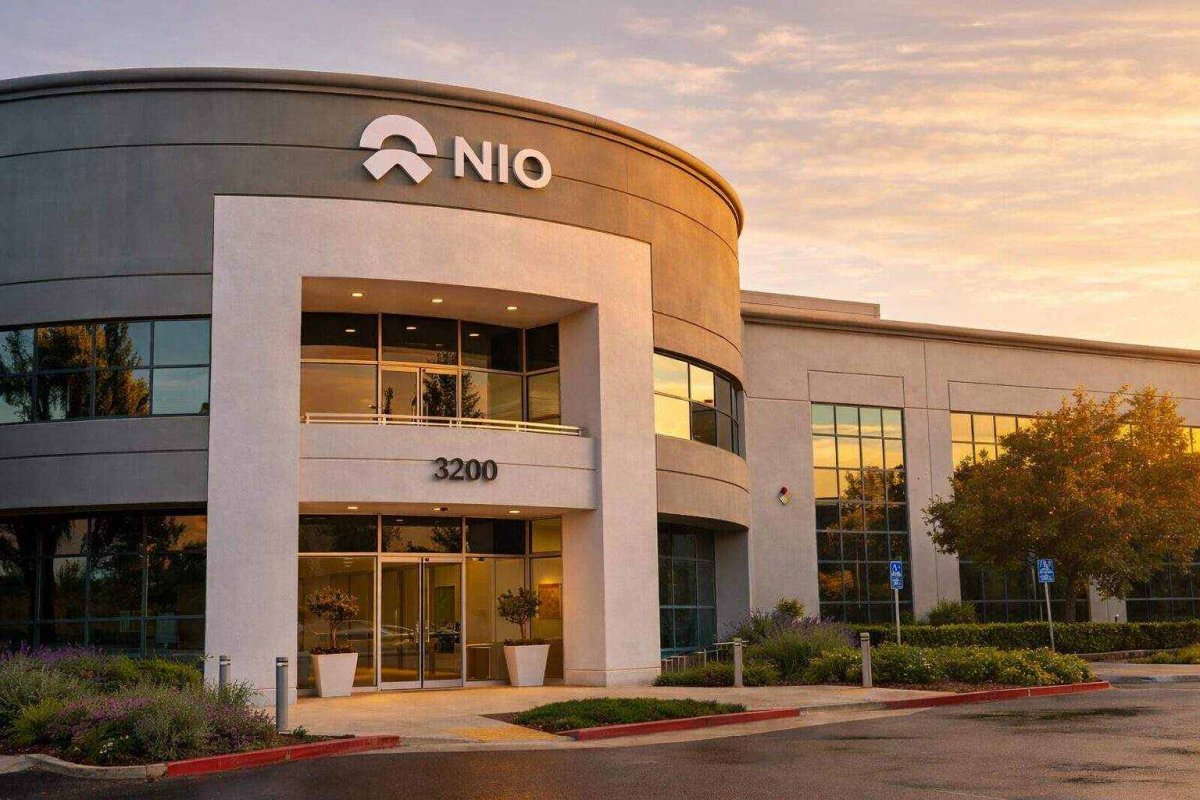
Chinese electric vehicle manufacturer NIO has registered a significant uptick in demand, with weekly new orders in its home market reaching approximately 3,500 units in early March. According to channel checks conducted by Deutsche Bank analysts, this represents the highest weekly order volume the company has seen so far in 2026. The surge follows the introduction of new customer promotions and a notable reduction in delivery wait times for its flagship ES8 SUV.
Delivery Momentum and Market Context
This order acceleration comes on the heels of robust delivery figures for February. NIO reported it delivered 20,797 vehicles last month, a substantial 57.6% increase compared to February 2025. The monthly total comprised 15,159 vehicles under the core Nio brand, 2,981 for its Onvo sub-brand, and 2,657 Firefly models. Cumulative deliveries surpassed 1.045 million vehicles by the end of February, and the company also announced the completion of its 100 millionth battery swap.
The positive data provided a jolt to investor sentiment. NIO's U.S.-listed shares (NIO) closed Wednesday's trading session up 5.45% at $4.84, snapping a five-day losing streak. Despite the rally, the stock remains nearly 40% below its 52-week high. Trading volume for the session was above the 50-day average.
Promotional Drivers and Competitive Landscape
Analysts attribute the demand spike to active sales incentives. Current promotions, effective through March, include low-interest loan options extending up to seven years and a purchase-tax subsidy of 10,000 yuan (about $1,450) specifically for the ES8. These tactics are not unique to NIO in China's fiercely competitive EV market, but the speed at which they have translated into shorter wait times and higher orders has captured market attention.
The company's performance stands in contrast to some domestic rivals. While NIO's deliveries surged in February, industry data shows BYD experienced a 41% year-on-year sales decline for the month. Similarly, XPeng and Li Auto reported delivery drops of roughly 50% and 5%, respectively, highlighting divergent trends within the sector as the market digests post-Lunar New Year demand and broader industry incentives.
Analyst Insights and Inherent Risks
Deutsche Bank's findings underscore a recurring dynamic in China's EV sector: accelerating deliveries can boost sales figures, but sharply reduced wait times may also indicate a lighter backlog of unfilled orders, which is critical for maintaining steady production line utilization. The bank's channel checks offer an early, though imperfect, glimpse into demand, often preceding official monthly delivery reports by weeks.
However, several risks accompany this positive data point. A heavy reliance on promotions and financing deals could pressure the company's already thin margins, especially if discounts become a permanent market feature rather than a temporary stimulus. Furthermore, there is no guarantee that all recorded orders will convert into final deliveries, as cancellations or financing rejections can weaken the link between initial interest and actual sales.
Upcoming Catalysts and Investor Focus
The timing of this demand snapshot is crucial, arriving just ahead of a key financial disclosure. NIO is scheduled to release its unaudited fourth-quarter and full-year 2025 financial results on March 10, before the U.S. market opens. This report will provide investors with a much clearer view of the company's financial health, including margins and cash burn, as it continues to scale volumes.
For now, traders are treating the weekly order spike as a single, positive data point rather than confirmation of a sustained trend. The market awaits further validation from the next monthly delivery update and, more importantly, the detailed financial metrics due next week. These will reveal whether the demand improvement is stabilizing or merely a transient reaction to an aggressive but short-lived discount cycle.