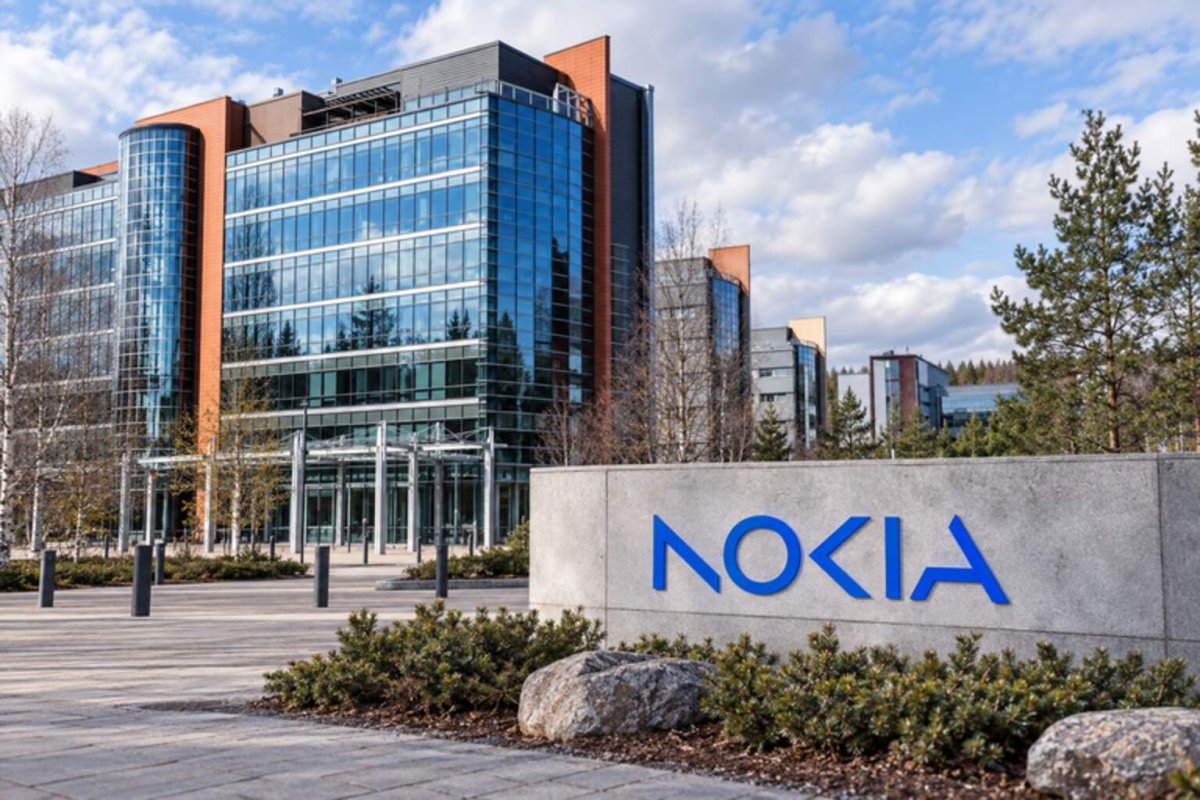
Nokia Corporation (NYSE:NOK; HEL:NOKIA) is set to rejoin the EURO STOXX 50 index when European markets open on Monday, September 21, 2026, following a period of strong trading activity in its U.S.-listed shares. The Finnish telecom equipment maker's American Depositary Receipts (ADRs) closed at $10.68 on Friday, up 0.75% from the prior close of $10.60, according to data from Yahoo Finance.
Friday's trading saw a significant surge in volume, with 161.9 million shares changing hands—more than double the 75.36 million average over the previous 20 sessions. This elevated activity suggests that investors and index funds were positioning ahead of the index change, which takes effect before Monday's open. The addition of Nokia, along with French utility Engie, comes at the expense of Volkswagen preference shares and Wolters Kluwer, which will be removed from the benchmark.
The EURO STOXX 50 is one of Europe's most widely tracked equity indices, serving as the underlying for approximately €59 billion in exchange-traded fund (ETF) assets and more than 110,000 structured products, according to STOXX data for August. The index weights constituents based on free-float market capitalization, with a 10% cap on any single stock. While STOXX has not published an estimate of the forced buying that might result from this change, the heavy volume on Friday suggests that much of the rebalancing demand may have already been absorbed.
The index re-entry comes at a crucial time for Nokia, which is navigating a transitional period marked by both operational improvements and restructuring challenges. In its second-quarter results, reported on July 23, the company posted a comparable operating profit of €434 million, up 18% year-over-year, while comparable operating margin expanded to 9.0% from 8.3%. However, the company reported a reported operating loss of €50 million, a sharp reversal from the €147 million profit a year earlier, due to accelerated restructuring charges.
CEO Justin Hotard expressed confidence that Nokia remains on track to deliver results "somewhat above the midpoint" of its profit guidance, underpinned by a robust pipeline of AI and cloud orders. The company has booked €2.8 billion in such orders, with expectations that about half will convert within the next 12 months. A recent collaboration with Microsoft, announced on September 17, further underscores Nokia's push into network automation, with its Data Suite set to integrate with Microsoft Fabric. Neither company has disclosed the financial terms of the deal.
Wall Street analysts remain largely optimistic about Nokia's prospects. According to Google Finance, seven recent analyst recommendations are all "buy" ratings, with price targets ranging from $15 to $21. These targets imply significant upside from Friday's close: B. Riley's Dave Kang initiated coverage with a $15 target (40.4% upside), while J.P. Morgan's Sandeep Deshpande maintains a $21 target (96.6% upside). Other bullish calls include Rosenblatt's Michael Genovese ($15 target) and Northland's Tim Savageaux ($20 target).
However, some caution is warranted. Index membership changes the composition of shareholders, not the fundamentals of the business. The seven-buy snapshot may also overstate consensus, as some older ratings were omitted from the list. Moreover, Nokia faces near-term headwinds, including €800 million in planned restructuring charges and potential supply chain constraints. These factors could test the company's ability to convert its order book into sustainable profitability.
As European markets open on Monday, the immediate question is whether residual index demand will drive further gains in Nokia's shares. The more significant test will come on October 22, when the company reports third-quarter results and investors can assess the pace of order conversion and the impact of restructuring measures. For now, the EURO STOXX 50 inclusion marks a milestone for Nokia, but the real work lies ahead.