ExxonMobil (NYSE: XOM) is reportedly in discussions to re-enter Venezuela's Orinoco Belt, one of the world's largest oil deposits. According to Reuters, the company is exploring the Petromonagas heavy-oil project and nearby Carabobo areas. However, no binding agreement or price has been announced, and the talks remain at an exploratory stage.
The energy giant's stock closed Friday at $163.54, up 0.17%, on volume of 37.6 million shares—nearly three times its four-session average. In contrast, rivals Chevron and ConocoPhillips each fell about 1% on the same day. The muted reaction suggests investors are not assigning significant value to the unconfirmed negotiations.
Potential Resources vs. Booked Reserves
The fields under discussion could hold up to 50 billion barrels of oil, according to the report. That figure is more than 2.5 times ExxonMobil's proved reserves of 19.3 billion oil-equivalent barrels at year-end 2025. However, the comparison is misleading: gross field resources are not booked reserves, recoverable volumes, or ExxonMobil's eventual equity share.
Analysts caution that ownership stakes, recovery rates, fiscal terms, and required capital expenditure remain unknown. The 50-billion-barrel headline should not be used as a direct input into valuation models, as the company has not disclosed its potential share or the project's commercial viability.
Financial Strength and Bargaining Position
ExxonMobil is well-positioned to negotiate. The company generated $23.6 billion in operating cash flow in the second quarter of 2026, with free cash flow of $17.2 billion. Its capital spending plan for the year is $27 billion to $29 billion, funded largely from internal cash. CEO Darren Woods has emphasized investing in "advantaged opportunities" while returning cash to shareholders.
The company's strong balance sheet gives it leverage in talks. It can wait for enforceable terms and direct capital elsewhere if the Venezuelan deal does not meet its criteria. Venezuela, in turn, would gain technical expertise and access to a company capable of funding large projects without external financing.
Challenges and Risks
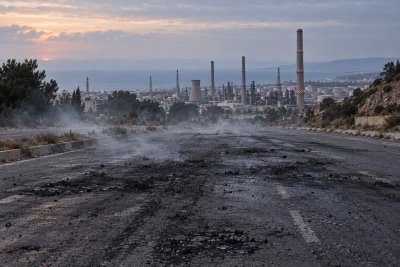
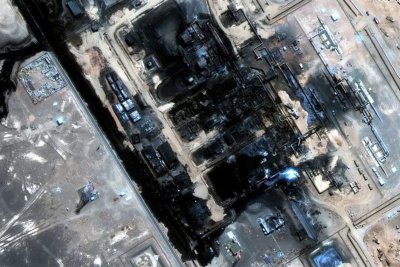
Petromonagas includes an upgrader for extra-heavy crude that likely requires major maintenance after years of underinvestment. Russian ownership stakes, sanctions exposure, and contract enforcement issues add layers of complexity that a simple barrel count cannot capture. A weak contract, large repair bill, or renewed sanctions could leave ExxonMobil funding heavy-oil repairs without durable control.
If negotiations fail, the option value attached to the report would disappear. Investors are looking for a signed memorandum, which reports suggest could arrive by September 30. Key numbers still needed include ExxonMobil's stake, required capital, recoverable barrels, and contractual exit protection.
Market Reaction and Analyst Views
Wall Street's average price target for ExxonMobil is $170.91, only 4.5% above Friday's close, with targets ranging from $142 to $200. Recent analyst actions include Barclays (Buy, $177), Piper Sandler (Hold, $185), and Morgan Stanley (Buy, $177). The wide range reflects uncertainty about the company's growth prospects, including the potential Venezuelan venture.
The stock's relative strength on Friday could be attributed to index rebalancing and options activity rather than the news itself. Investors appear to be taking a wait-and-see approach, focusing on concrete deal terms rather than speculative resource estimates.