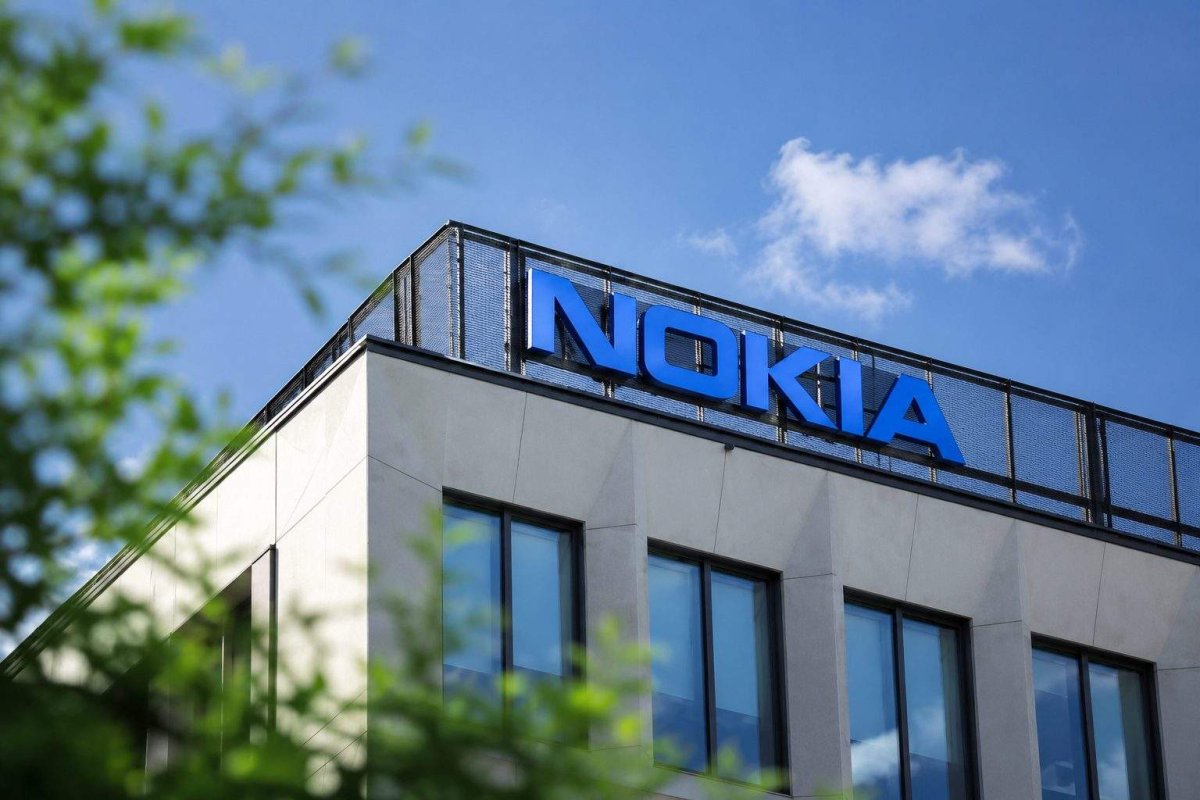
Nokia Oyj (HEL:NOKIA) saw its Helsinki-listed shares climb approximately 1.5% to €12.50 on Thursday, June 25, 2026, outperforming the broader OMX Helsinki 25 index, which gained 0.70% to 6,224.98. The stock now trades roughly 20% above the average 12-month analyst target of €10.425, based on 22 analysts tracked by Investing.com, who maintain a consensus Neutral rating on the stock.
At the current price, Nokia's market capitalization stands at about €71.8 billion, based on 5.74 billion shares outstanding. This represents a significant premium to the average analyst estimate, with the equity gap amounting to nearly €12 billion by Google Finance's share count. The stock's 52-week range spans from a low of €3.42 to a high of €15.00, placing current levels below the early-June peak but still elevated relative to pre-AI rally levels.
NVIDIA Corp (NASDAQ:NVDA) holds a notable stake in Nokia, valued at approximately €2.1 billion based on Thursday's close. In November, Nokia issued 166.4 million new shares to NVIDIA, representing about 2.90% of the company. This valuation far exceeds the roughly €0.86 billion in equity Nokia had initially flagged in the deal release, highlighting the market's enthusiasm for the AI partnership.
This week, Nokia announced a series of strategic collaborations that have fueled investor optimism. On Wednesday, Amazon Web Services (AWS) and Nokia disclosed plans to expand their partnership around Nokia's Autonomous Network Fabric, which will run on AWS infrastructure. The companies expect to offer the solution later this year. Oguz Sunay, Nokia's head of autonomous networks, described the move as a shift from "far-off vision to business imperative," while AWS's Amir Rao emphasized the focus on "speed and step-change efficiency."
Also on Wednesday, Nokia and Databricks completed a proof of concept for a unified data platform designed for autonomous networks. The platform integrates real-time performance management workflows running on Databricks and an open-source stack built from Apache Flink, Kafka, and Iceberg. Sunay called the project "a big step" for Nokia's AI ambitions.
On Thursday, Nokia's defense unit announced it would join a consortium led by the Finnish Border Guard to develop counter-drone systems for patrol vehicles and boats. The Finnish-Nordic group plans to test the systems in 2027 and early 2028. Mikko Hautala, Nokia's chief geopolitical and government relations officer and chairman of Nokia Defense, noted that "reliable, secure connectivity is becoming essential" for defense applications.
Despite the flurry of announcements, none of these deals disclosed specific financial terms or deal sizes, raising questions about the sustainability of Nokia's current valuation. The stock's premium to analyst targets suggests that much of the AI and defense optimism may already be priced in, leaving limited upside without concrete revenue contributions from these partnerships.
Nokia's AI and cloud business has shown momentum, with customer sales climbing 49% in the first quarter and the company reporting €1 billion in new deals during that period. CEO Justin Hotard said the company is "tracking somewhat above" the middle of its full-year comparable operating profit forecast of €2.0 billion to €2.5 billion. However, investors are left weighing the timing of revenue realization from these new partnerships against the stock's elevated valuation.