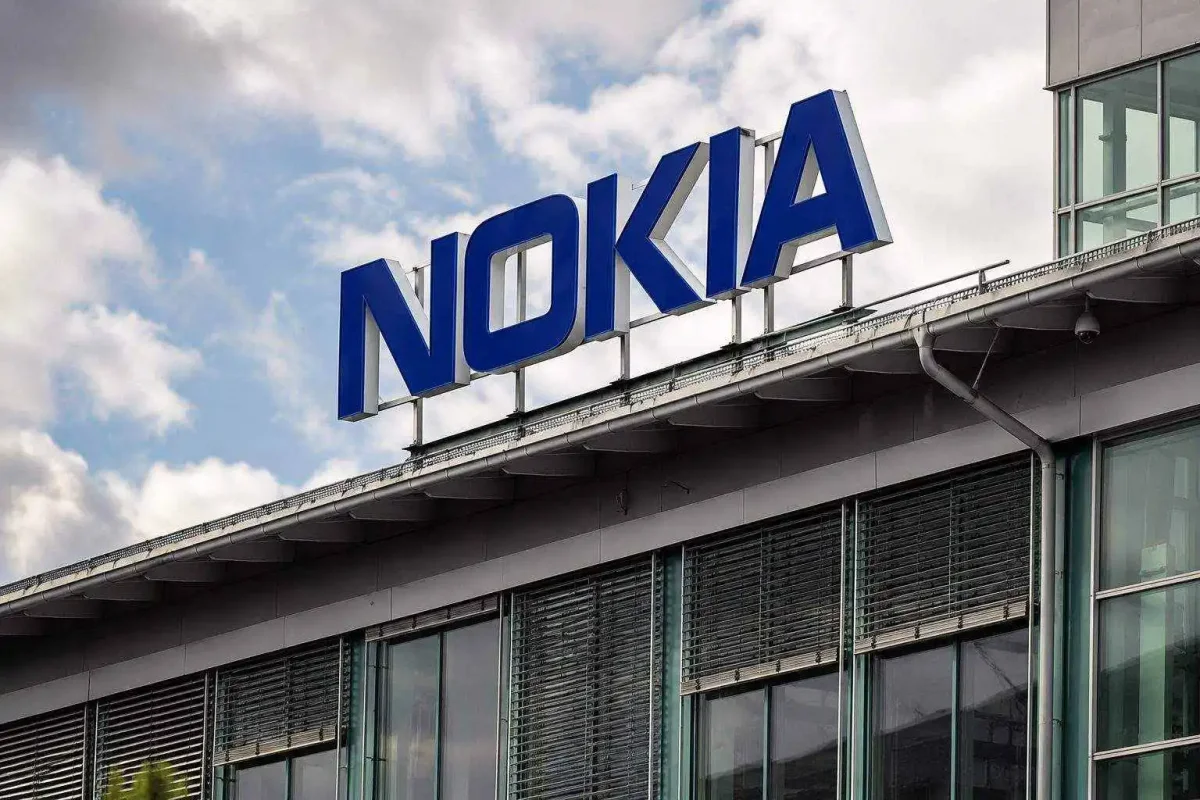
HELSINKI, May 13, 2026, 17:05 (EEST) – Nokia Oyj has appointed Siemens executive Emma Falck to lead its Mobile Infrastructure division effective September 1, a move aimed at strengthening the telecom segment as the company capitalizes on an AI-driven rally in its stock price. Falck will also join Nokia’s group leadership team, the company confirmed.
Leadership Change Amid Strong Results
The appointment comes as Nokia reported a 54% surge in first-quarter comparable operating profit to €281 million, with net sales to AI and cloud clients climbing 49% and new orders from those customers reaching €1 billion. Shares in Helsinki rose 5.5% to around €11.70, while ADRs in New York traded near $13.56, up nearly 3% in morning trading.
Falck previously served as executive vice president for products in the Smart Infrastructure Buildings division at Siemens. She also held senior roles at Boston Consulting Group and KONE, and holds a PhD in computational physics from Aalto University. Nokia CEO Justin Hotard said the hire positions the company for the next wave of mobile network buildouts, emphasizing the need for networks to be “AI-native by design.”
Mobile Infrastructure: The Tough Slog
Nokia’s Mobile Infrastructure unit, which includes radio networks and core software, recorded only a 3% constant-currency revenue lift in Q1, with radio networks showing no momentum. In contrast, Optical Networks surged on AI data-center demand. The company is pushing the unit toward a more software-driven focus, with Falck noting the business must execute with “speed and predictability” as customers face AI-fueled traffic surges.
New AI Tools for Broadband
On Tuesday, Nokia launched agentic AI tools for home and broadband networks, built on experience from over 600 million broadband lines. These tools help operators reduce faults, accelerate fiber deployment, and limit repeat site visits. Grant Lenahan, partner and principal analyst at Appledore Research, noted the challenge is providing AI with actionable data, and Nokia’s solution relies on autonomous control loops and open APIs.
Competitive Landscape and Legal Win
Investors are now comparing Nokia more broadly against Ericsson in mobile, and against Ciena and Cisco in optical and IP networks for AI data centers. Nokia also secured a legal victory this week when a UK appeals court permanently halted London lawsuits from Acer and Asus over video-coding patents, in a dispute centered on FRAND licensing terms.
After Nvidia invested $1 billion in Nokia last year, Reuters Breakingviews noted that AI-powered telecom networks remain early-stage, with widespread 6G likely not arriving until 2030. Nvidia’s arrangement with Nokia is not exclusive, as Cisco also has AI infrastructure deals with the chipmaker. For Nokia, Falck’s appointment is not a reset but a move to prove the strategy works—mobile still needs to deliver beyond waiting for the next network cycle.