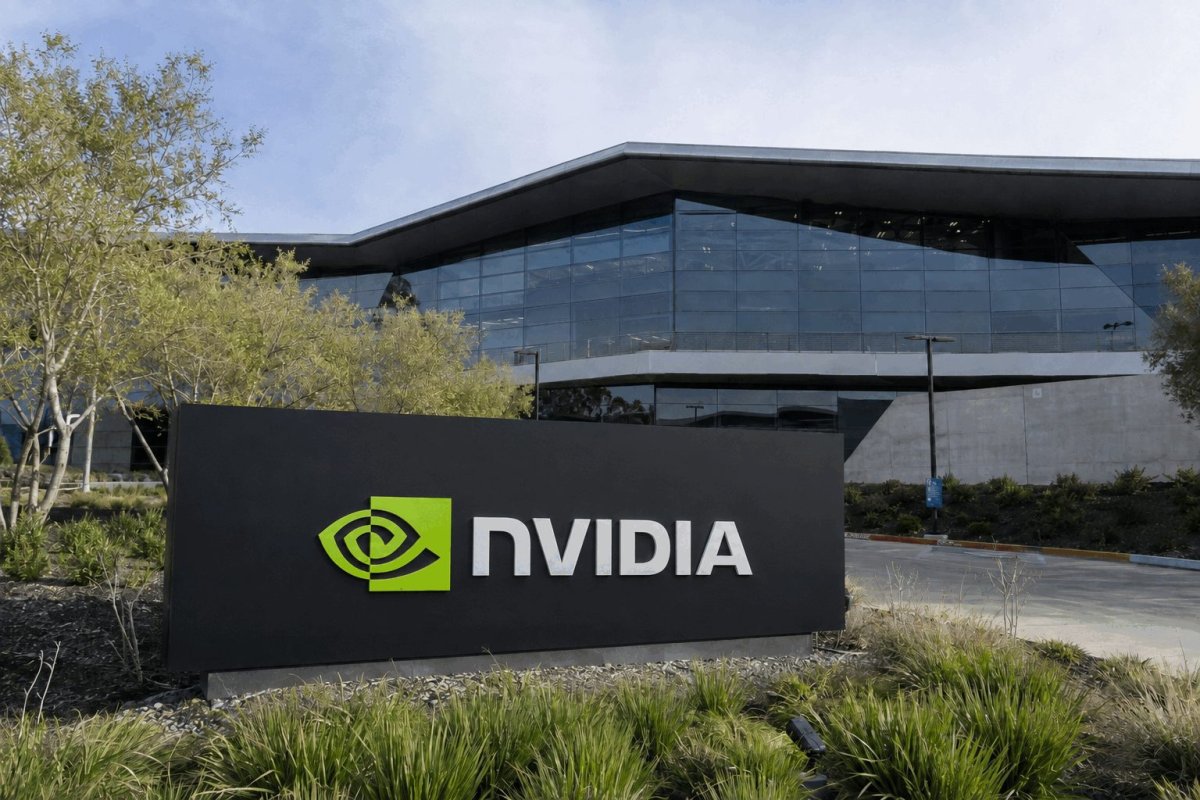
Nvidia Corporation (NASDAQ: NVDA) experienced a sharp pullback on Friday, with shares sliding 4.57% to $217.55. This decline erased approximately $251 billion in market capitalization, based on the company's 24.1 billion outstanding shares. The selloff came just one day after the stock surged 8.7% following its fiscal second-quarter earnings report, which had initially been met with enthusiasm.
Despite the Friday reversal, Nvidia's shares still closed roughly 3.7% above Wednesday's pre-earnings level, reflecting a net positive reaction to the earnings release. However, the two-day pattern suggests that investors are rewarding growth but are increasingly sensitive to margin pressures and other risks.
Revenue Soars, But Margin Guidance Disappoints
Nvidia reported second-quarter revenue of $96.2 billion, a 106% year-over-year increase. The Data Center segment was the primary driver, generating $89.0 billion, which accounted for 92.5% of total revenue. GAAP operating income more than doubled to $63.7 billion, underscoring the company's robust operational performance.
Looking ahead, management guided for third-quarter revenue of $108.0 billion, plus or minus 2%. This midpoint implies sequential growth of 12.2%. However, the company also projected a gross margin of 74.0%, down from 75.0% in the prior quarter. This one-percentage-point decline in gross margin raised concerns among investors, who had hoped for continued margin expansion.
Valuation and Forward Outlook
At Friday's market value of $5.24 trillion, Nvidia trades at roughly 12.1 times its annualized third-quarter revenue guidance. This valuation metric assumes sustained growth well beyond the current quarter, leaving little room for disappointment.
Management expects fiscal 2028 revenue to grow by about 70%. This projection is significantly higher than Morgan Stanley's model of 52% and the consensus estimate of approximately 40%, according to Reuters. The company also warned that memory shortages could constrain industry growth, adding another layer of uncertainty to the outlook.
Working Capital and Shareholder Returns
Nvidia's working capital is expanding in line with its business growth. Accounts receivable rose to $63.1 billion from $38.5 billion over the past six months, while inventory increased to $31.6 billion from $21.4 billion. These balances support delivery growth but also increase sensitivity to execution and potential supply chain disruptions.
The company returned approximately $26.0 billion to shareholders through buybacks and dividends during the quarter. An additional $99.0 billion remains authorized for future buybacks, equivalent to about 1.9% of Friday's market capitalization.
Analyst Sentiment and Market Context
Wall Street remains largely constructive on Nvidia. According to MarketWatch, 67 analysts carry an average Buy recommendation with a price target of $334.67, implying about 54% upside from current levels. However, analyst targets are not guarantees and should be viewed with caution.
Friday's trading saw volume reach 195.1 million shares, 37% above the 65-day average. The broader market also declined, with the Nasdaq falling 0.52% and the S&P 500 losing 0.25%. Federal Reserve Chair Kevin Warsh's inflation warning added to the overall valuation headwinds, as reported by Reuters.
Risks and Key Events
Several risks could impact Nvidia's future performance. Memory constraints could limit shipments, and a prolonged absence from China's Data Center compute market would narrow growth options. Customer spending delays would pressure both revenue and the premium valuation multiple.
Investors will have an opportunity to hear more from management at the Goldman Sachs Communacopia + Technology Conference on September 10. The focus will likely be on evidence that supply and gross margin can support the $108 billion quarterly target.