Oil futures declined on Wednesday despite a U.S. government report showing a significant drawdown in distillate inventories, a move that underscored the complex dynamics facing the energy market. West Texas Intermediate crude for December delivery fell $2.19, or 2.3%, to $93.90 per barrel at 10:40 a.m. Eastern time, according to Reuters data. Brent crude, the international benchmark, also slipped $2.30 to $101.30 a barrel.
The Energy Information Administration (EIA) reported that distillate stockpiles—which include diesel and heating oil—dropped by 3.6 million barrels for the week ended October 30. That draw was four times larger than the 865,000-barrel decline in crude inventories and significantly exceeded the 100,000-barrel decrease analysts had forecast in a Reuters poll. Gasoline inventories also unexpectedly fell by 222,000 barrels, defying expectations for a 153,000-barrel build.
Despite the bullish inventory data, prices moved lower, a divergence that analysts attribute to broader market sentiment and geopolitical factors. The EIA data showed that distillate inventories now stand 13% below the five-year average for this time of year, a wider seasonal deficit than crude's 4% shortfall or gasoline's 2% gap. This imbalance, however, predates Wednesday's futures decline, suggesting that traders may be focusing on other signals.
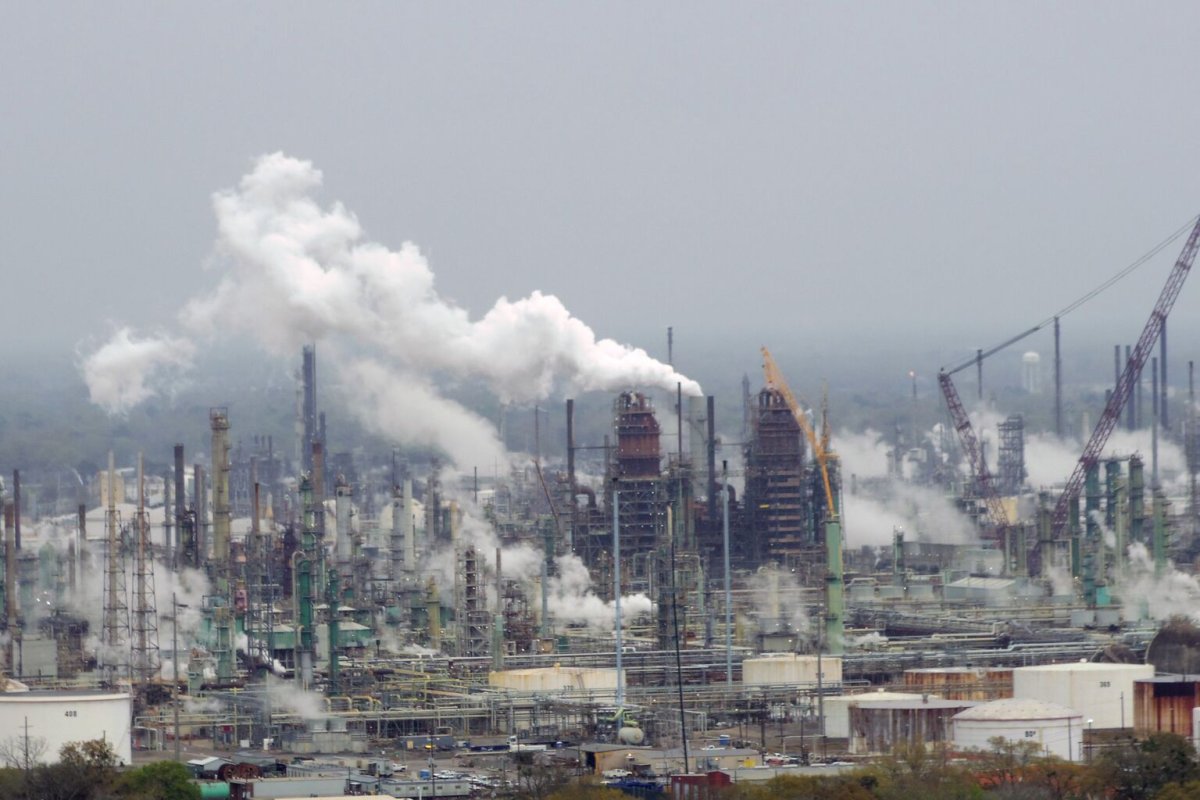
Refiners increased crude processing by 199,000 barrels per day during the week, pushing capacity utilization up 1.7 percentage points to 94.5%. Yet distillate production fell to 5.2 million barrels per day, highlighting the challenge of boosting output of heating fuels even as refineries run at high rates. Meanwhile, demand indicators were mixed: four-week average distillate product supplied rose 8.7% year-over-year to 4.2 million barrels per day, while gasoline demand slipped 0.4% to 8.6 million barrels per day.
The crude balance showed a substantial drop in exports, which fell to 3.675 million barrels per day from 4.854 million the previous week. Imports were roughly unchanged at 6.374 million barrels per day. The decline in exports, combined with the inventory draw, suggests that domestic supply is tightening, but the market's reaction indicates that traders are weighing other risks.
On the retail front, the national average for regular gasoline stood at $4.1239 per gallon on November 4, according to AAA. A typical 15-gallon fill-up now costs approximately $61.86, a figure that does not include diesel costs but highlights the pressure on consumers ahead of the winter heating season.
Geopolitical uncertainty continued to loom over the market. Reuters reported that Qatar is mediating between the U.S. and Iran, though an Iranian official said the two sides remain far from an agreement. The negotiations have not yet resolved concerns about shipping disruptions in the region, which could impact supply routes.
Analysts noted that conflicting signals from Washington have made it difficult for traders to establish strong directional conviction. Priyanka Sachdeva of Phillip Nova told Reuters that these mixed messages "have made it difficult for traders to build strong directional conviction." The market remains sensitive to any news that could shift the supply-demand balance.
Looking ahead, the key question is whether refiners can rebuild distillate stocks from their current level of 99.3 million barrels while already operating at 94.5% of capacity. The tightness in heating fuel supplies could persist, especially if winter demand proves stronger than expected. However, any renewed attacks on tankers or refineries could disrupt supply and reverse the recent price declines.