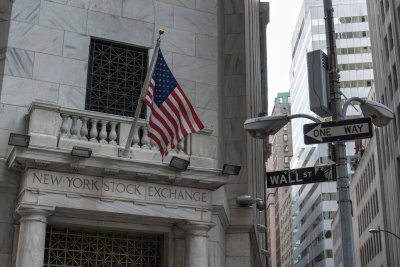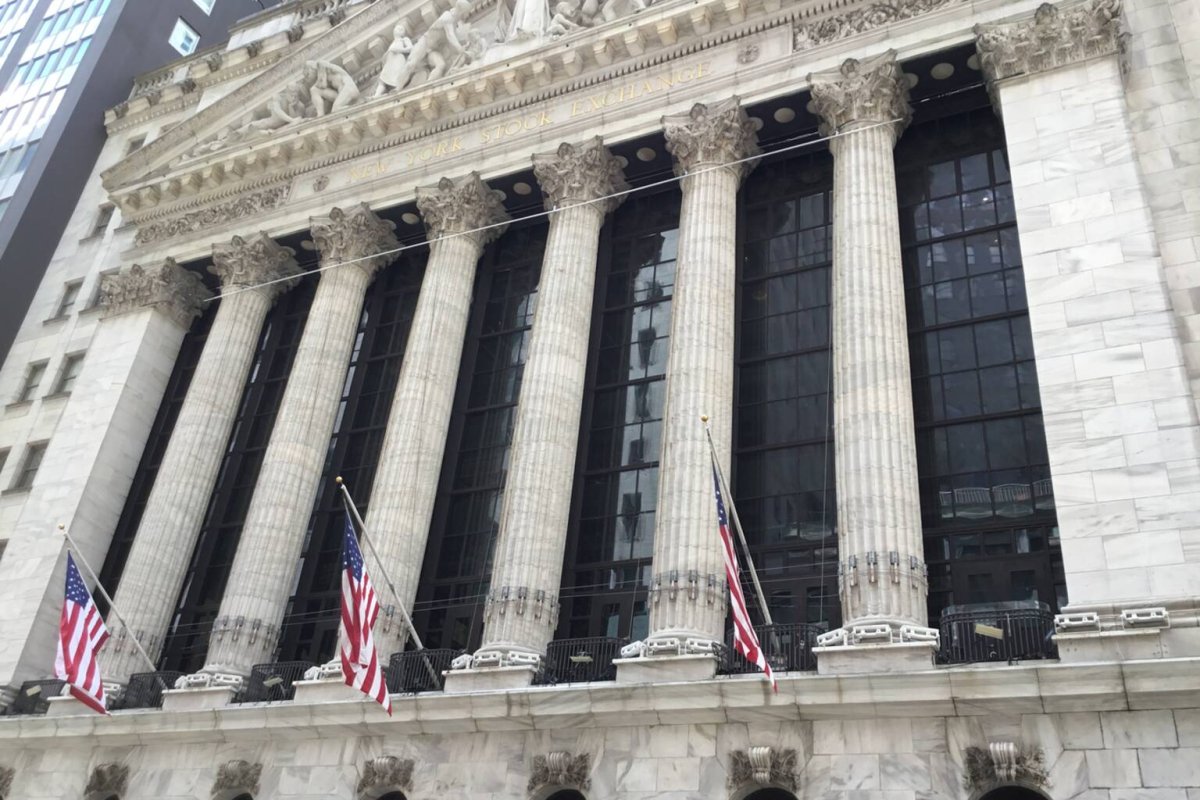
In a dramatic reversal, the Dow Jones Industrial Average climbed 1,325 points, or 2.6%, by 11:15 a.m. EST Wednesday, according to the Associated Press. The sharp advance came as election results indicated that Democrats were poised to secure control of Congress, a development that investors interpreted as a catalyst for fiscal stimulus and infrastructure spending.
The magnitude of the rally was notable: it represented 6.7 times the decline of the previous session, when the Dow fell 197.26 points to close at 51,786.72, as per data from FRED. This morning's gain not only erased Tuesday's losses but also pushed the index to an implied level of approximately 53,112, roughly 1,128 points above Monday's close.
However, market participants cautioned that the comparison is not entirely apples-to-apples. The Tuesday close is a final settlement figure, while Wednesday's gain is an intraday snapshot. To fully recover Tuesday's loss, the Dow would have needed to rise just 0.38% from the prior close; the reported 2.6% advance far exceeded that threshold.
“Earnings trump elections,” said Brian Jacobsen, chief economic strategist at Annex Wealth Management, in an AP report. His comment underscores the view that corporate profitability, not just political shifts, remains the primary driver of equity valuations.
The Dow's price-weighted methodology also warrants scrutiny. As NYSE explains, the index's 30 components are weighted by share price, meaning higher-priced stocks exert outsized influence. Consequently, a rising Dow does not necessarily indicate broad-based strength across all constituents.
In the Treasury market, the government announced a $125 billion refunding package to replace approximately $97 billion of maturing debt, with about $28 billion representing new cash from private investors. The breakdown shows that roughly 77.6% of the gross sales will refinance existing obligations, while 22.4% will raise additional funds.
The planned auctions include $58 billion in three-year notes, $42 billion in ten-year notes, and $25 billion in thirty-year bonds, all scheduled to settle on November 16. Meanwhile, the ten-year Treasury yield dipped to 4.92% from 4.95% late Tuesday, a three-basis-point decline, as bond prices rose alongside equities.
Analysts note that the yield movement reflects current market sentiment, but the upcoming auctions will test investor demand. The three-year note auction on November 9, followed by ten-year notes on November 10 and thirty-year bonds on November 12, will provide clearer signals about financing costs.
Despite the morning's optimism, risks remain. The intraday gain could evaporate before the close, and the Treasury's issuance plans face execution uncertainty. Auction demand and yields are still unknown, and the bond market's reaction to the refunding will be closely watched.
For now, the market's focus is on the political landscape and its implications for fiscal policy. With Democrats on track to control Congress, expectations of increased government spending have buoyed equities, but the sustainability of this rally will depend on earnings reports and economic data in the coming weeks.