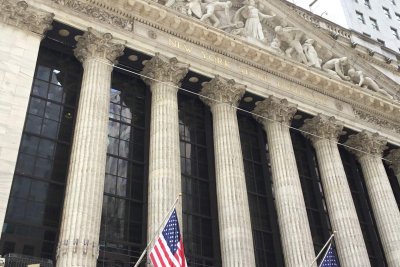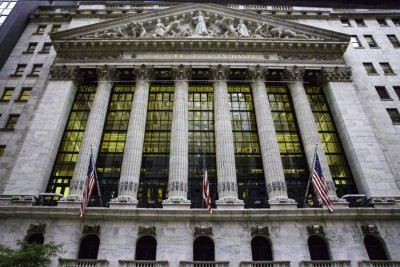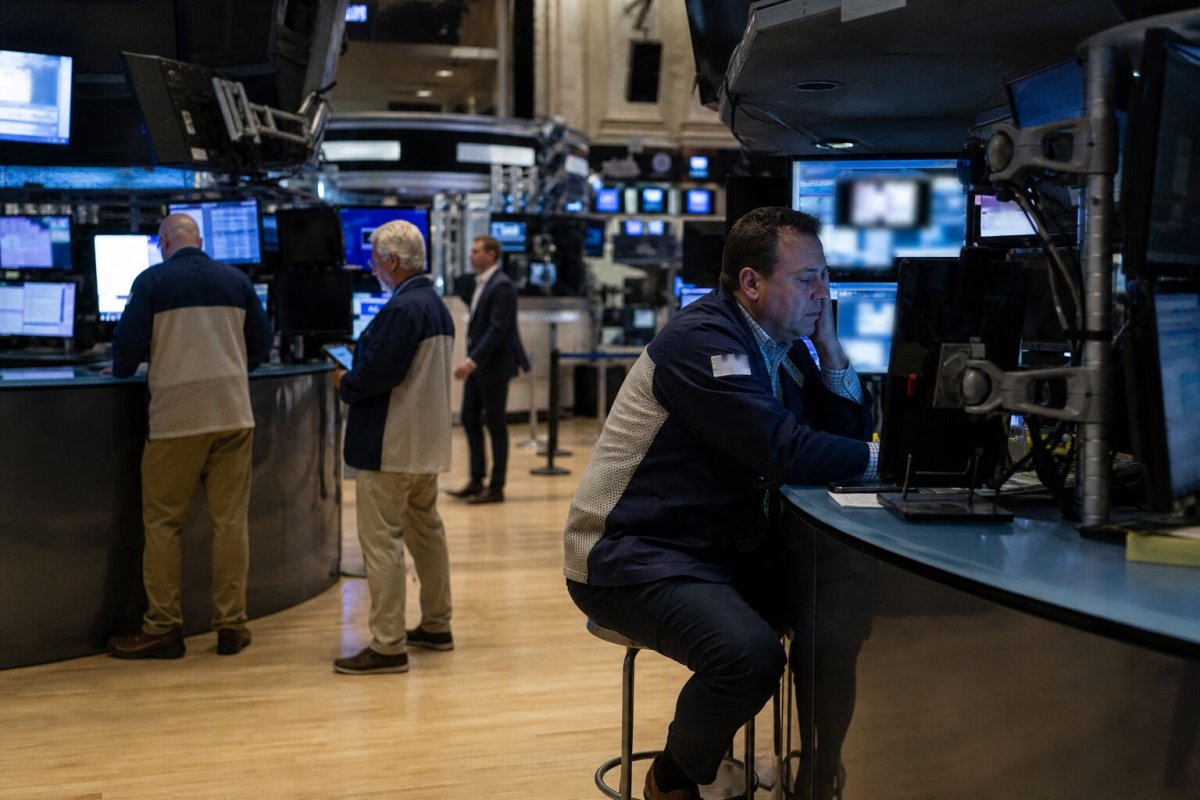
Despite a sharp decline in the Dow Jones Industrial Average triggered by an oil price shock, broad-based exchange-traded funds remained remarkably stable on Monday, August 31, 2026. The Dow closed the session down 374.09 points, or 0.70%, at 53,185.90, while the S&P 500 fell 25.62 points, or 0.33%, to 7,686.14. The Nasdaq Composite slipped 0.12% to 26,370.89, and the Russell 2000 dropped 0.54% to 2,956.45.
The oil shock stemmed from U.S. military action near the Strait of Hormuz, a critical chokepoint for global oil supplies. U.S. Central Command confirmed that troops targeted Iranian rocket launchers positioned close to the strait, which posed a threat to merchant vessels. Approximately 20% of the world's oil passes through this waterway, and any disruption can have significant implications for energy prices and global markets.
Brent crude oil settled 2.7% higher at $90.49 per barrel, reflecting heightened supply concerns. The yield on the 10-year Treasury note rose to 4.75% from 4.73% on Friday, while the two-year yield held steady at 4.34%. This widening gap suggests that the market is pricing in higher long-term inflation risks, which could influence Federal Reserve policy decisions.
In the final hour of trading, between 18:00 and 19:00 EDT, the SPDR S&P 500 ETF Trust (SPY) edged down 0.01%, the Invesco QQQ Trust (QQQ) eased 0.06%, and the SPDR Dow Jones Industrial Average ETF Trust (DIA) inched up 0.01%. This quiet trading activity did not reverse the day's earlier declines but also did not indicate a fresh wave of broad selling. The stability of these ETFs suggests that investors were not panicking, despite the significant drop in the Dow.
Sector performance was notably mixed, with energy leading the way. The Energy Select Sector SPDR Fund (XLE) rose 2.04%, while technology gained 0.44%. However, nine of the 11 S&P 500 sectors closed lower, with communication services falling 1.35%, industrials down 1.13%, and utilities off 1.17%. This narrow rally highlights the market's focus on oil-related equities and the broader impact on rate-sensitive sectors.
Individual energy stocks saw substantial gains, with Exxon Mobil (XOM) climbing 2.7% and Chevron (CVX) advancing 2.1%. Conversely, utility stocks faced heavy selling, as Edison International (EIX) plunged 23.1% and PG&E Corporation (PCG) dropped 20.1%, amid concerns over California wildfire liabilities. These moves underscore the divergent effects of the oil shock on different parts of the market.
Market breadth weakened significantly, with decliners outnumbering advancers by more than three to one among the 492 tracked S&P 500 components. However, trading volume was not uniformly robust. SPY volume reached 97% of its 20-session average, while QQQ traded at 96% of its average. Notably, the iShares Russell 2000 ETF (IWM) saw volume climb 24% above its 20-session average, indicating heightened interest in small-cap stocks.
Edward Jones strategist Brock Weimer noted that the Federal Reserve is likely to show little tolerance for significant inflation surprises. According to CME FedWatch, markets currently see a 66% probability of a rate hike in September, a factor that could continue to weigh on rate-sensitive equities. The upcoming U.S. payrolls report on Friday will be closely watched for further clues on the central bank's policy path.
Despite Monday's losses, August closed with solid gains across major indices. The S&P 500 rose 2.62% for the month, the Nasdaq gained 3.93%, the Dow added 1.34%, and the Russell 2000 finished 0.86% higher. The oil shock, however, introduces new risks, and renewed clashes near Hormuz could trigger sharp moves in crude prices and equity futures during overnight trading. The calm in post-market ETFs does not eliminate these risks, and investors should remain vigilant.