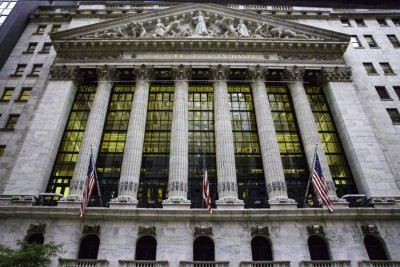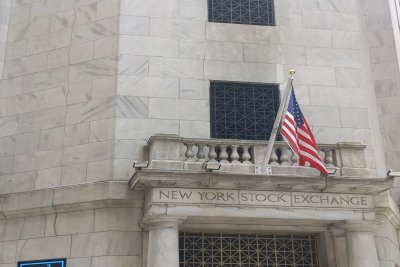
U.S. equities opened the trading week on a downbeat note, with major indices slipping in morning action as a sharp rise in crude oil prices stoked fresh inflation concerns. The sell-off, which began at the opening bell, intensified through the first half-hour of trading, reflecting investor anxiety over geopolitical developments in the Middle East.
By 10:00 a.m. EDT, the S&P 500 had declined approximately 0.3%, while the Dow Jones Industrial Average shed nearly 0.5%, making it the weakest performer among the major benchmarks. The Nasdaq Composite, however, showed relative resilience, slipping just 0.1%, as strength in semiconductor stocks helped offset losses in software and other interest-rate-sensitive sectors.
Oil Prices Surge on Hormuz Tensions
The primary catalyst for the market's downward move was a 3.6% jump in West Texas Intermediate crude, which climbed to $86.40 per barrel. The spike followed U.S. military strikes against Iranian rocket launchers near the Strait of Hormuz, a critical chokepoint for global oil shipments. Brent crude, the international benchmark, also advanced, rising 2.5% to trade above $90 per barrel.
Investors are increasingly treating the renewed conflict in the region as an inflation event rather than a purely geopolitical headline. The rise in oil prices threatens to push input costs higher across industries, potentially squeezing margins and dampening consumer spending. This concern was reflected in the bond market, where the yield on the 10-year Treasury note climbed to approximately 4.75%, adding further pressure on equity valuations.
Energy Sector Outperforms
Against the broader market decline, energy stocks emerged as the clear winner. The Energy Select Sector SPDR Fund (XLE) gained 2.35%, buoyed by higher crude prices. Shares of major oil producers, including Chevron (CVX), ConocoPhillips (COP), and Occidental Petroleum (OXY), all traded higher as the oil rally boosted their earnings outlook.
However, the positive performance in energy was not enough to offset weakness elsewhere. On the New York Stock Exchange, declining stocks outnumbered advancers by a margin of 1,539 to 1,265, a ratio of roughly 1.22-to-1, indicating broad-based selling pressure across most sectors.
Notable Stock Movers
Among individual stocks, PG&E (PCG) suffered the steepest decline, plunging 19% after weekend legislation failed to include provisions that would have shielded the utility from liability related to California wildfires. The exclusion raised concerns about potential financial exposure for the company.
Aon (AON) also fell 5% amid reports that the insurance broker is in talks to acquire USI for $17 billion, a deal that could strain its balance sheet. On the upside, BioMarin Pharmaceutical (BMRN) gained 5% following the announcement of a new royalty agreement with Ascendis Pharma. Intel (INTC) rose 1% as semiconductor stocks rebounded, while IREN (IREN) advanced 2.7% after posting better-than-expected results.
Fed Policy in Focus
Investors also weighed comments from Federal Reserve Chair Kevin Warsh, who struck a hawkish tone on inflation risks. Futures markets now assign a roughly 60% probability to a rate hike at the Fed's September meeting, a shift that has contributed to higher Treasury yields and a cautious mood on Wall Street.
The combination of rising oil prices, elevated bond yields, and geopolitical uncertainty is likely to keep markets volatile in the near term. Traders will be closely monitoring tanker flow data and any further developments in the Strait of Hormuz, as well as the trajectory of crude prices and yields, for clues about the market's next direction.