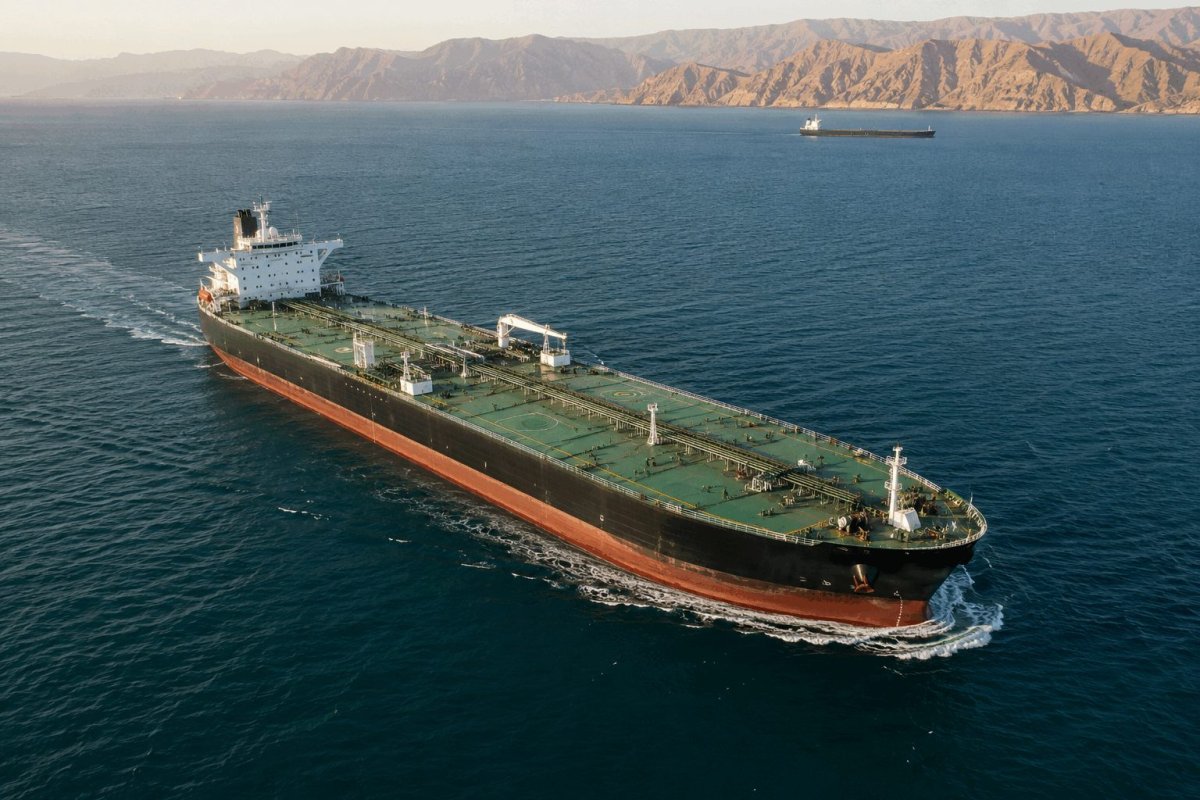
Crude oil futures rallied sharply on Thursday, with Brent benchmark climbing 2.1% to settle at $89.70 per barrel, as diplomatic efforts with Iran collapsed, reviving supply concerns and rekindling a geopolitical risk premium in the market. The breakdown in negotiations, reported by The Wall Street Journal, dashed hopes for an imminent easing of sanctions on Iranian oil exports and added fresh uncertainty to shipping routes through the Strait of Hormuz, a critical chokepoint for global crude flows.
U.S. West Texas Intermediate (WTI) crude also advanced, gaining 1.6% to close at $83.53 per barrel, snapping a three-day losing streak. The price action reflected a sharp reversal in sentiment, as traders who had been pricing in a potential diplomatic breakthrough were forced to reassess the supply outlook. The spread between Brent and WTI widened to $6.17, a level that market participants are now watching closely as an indicator of global supply tightness.
Geopolitical Premium Returns
The failed talks, which centered on restoring the terms of a June agreement, prompted Washington to decline reverting to previous deal terms. This development effectively removed the near-term possibility of sanctions relief that would have allowed more Iranian crude to enter the market. As a result, the geopolitical risk premium that had eroded over the prior three sessions quickly returned, with traders recalibrating their positions to account for the heightened tensions.
The Strait of Hormuz, through which about 20% of global oil consumption passes, remains a focal point. Any disruption to shipping there could have outsized effects on prices. Although no immediate military escalation was reported, the collapse of negotiations has made the strait's stability less certain, adding to the upward pressure on crude.
Physical Market Data Remains Soft
Despite the price surge, underlying physical demand signals were mixed. The Energy Information Administration (EIA) reported that U.S. commercial crude stockpiles rose by just 0.1 million barrels last week, bringing total inventories to 428.9 million barrels—about 1% above the five-year average for this time of year. The modest build was largely attributed to increased refinery activity, with utilization rates climbing to 97.4%, leaving little room for further processing gains.
Gasoline inventories, however, fell by 2.5 million barrels and now sit 6% below the five-year average, suggesting firm demand at the pump. The combination of high refinery runs and declining product stocks points to a market that remains relatively balanced, though the geopolitical situation is now the dominant driver.
Forecasts vs. Reality
The settlement price of Brent has already exceeded the EIA's outlook for the third and fourth quarters of 2026. The agency had projected Brent to average around $85 per barrel in Q3 and $78 in Q4, assuming improved Hormuz shipping conditions and a resumption of halted production. Thursday's close of $89.70 is 5.5% above the Q3 forecast and 15% above the Q4 estimate, underscoring the market's sensitivity to geopolitical events.
Year-to-date, Brent has averaged close to $90, a 29% jump from the $70 average seen in 2025. This surge has pushed up fuel and freight costs across the economy, even as equity markets have remained resilient. For investors, the widening Brent-WTI spread is a key risk metric; an expanding premium would signal strain on globally traded barrels, while WTI would remain relatively insulated by domestic U.S. supply.
Outlook and Risks
Looking ahead, the market faces two-sided risks. A confirmed resumption of shipping through Hormuz or renewed diplomatic efforts could quickly erase the current premium. Conversely, any escalation in military activity in the region could drive up costs for freight, insurance, and refinery feedstocks, potentially pushing prices higher.
The next major data point will be the delayed U.S. inventory report, now scheduled for release on September 2. In the meantime, tanker movement data and formal diplomatic statements will be closely scrutinized for clues about near-term supply. The collapse of Iran talks has reset the market's risk calculus, and until there is clarity on the diplomatic front, volatility is likely to persist.