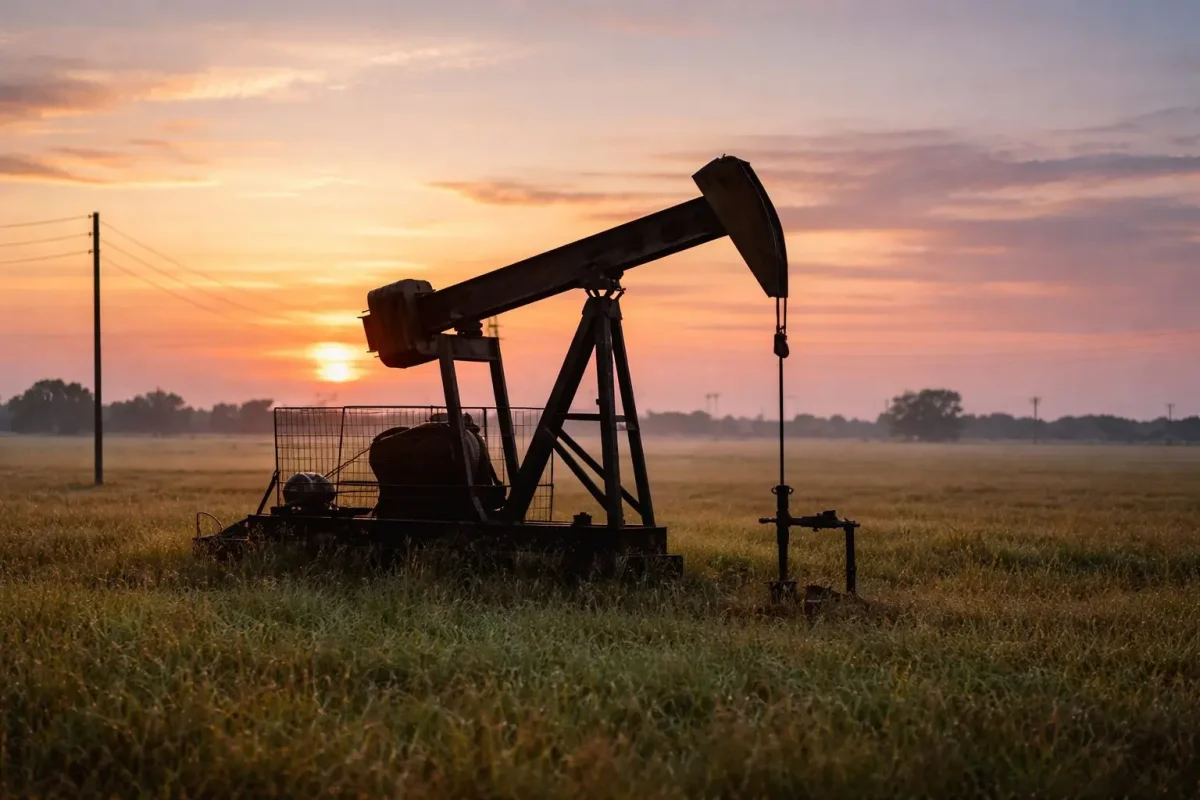
Global energy markets faced renewed pressure on Thursday as crude oil prices climbed above $105 per barrel. The surge followed Iran's dismissal of a U.S. proposal for dialogue, escalating geopolitical tensions and reversing optimism from the prior trading session. The London FTSE 100 index fell more than 1% in response, while U.S. stock futures turned lower.
The immediate impact is being felt by consumers, with the national average price for a gallon of regular gasoline reaching $3.981, according to AAA data from March 26. This represents an increase of nearly one dollar compared to just four weeks ago. The inflationary pressure is altering expectations for monetary policy, with traders now largely dismissing the possibility of a Federal Reserve interest rate cut this year. Speculation has also resurfaced regarding a potential rate hike by the European Central Bank as soon as next month.
Asian Markets and Futures Slide
The negative sentiment spread across Asian trading floors. South Korea's KOSPI index dropped 3.2%, while Hong Kong's Hang Seng declined 1.9%. This marked a sharp reversal from Wednesday, when the S&P 500 gained 0.54% on hopes that Iran might engage with Washington's diplomatic overtures. Brent crude had closed that session at $102.22 before Thursday's sharp rally.
Analysts point to the Strait of Hormuz as the primary flashpoint for market anxiety. This critical maritime chokepoint handles approximately one-fifth of the world's seaborne crude oil and liquefied natural gas (LNG). Barclays analysts estimate that a sustained closure of the strait could remove between 13 million and 14 million barrels per day from the global market. With total daily oil demand estimated at 104-105 million barrels, such a disruption would have severe consequences.
Inflation and Recession Risks Mount
The scenario underscores a stark inflation threat. BlackRock CEO Larry Fink has previously warned that oil at $150 per barrel would likely trigger a global recession. The Organisation for Economic Co-operation and Development (OECD) added its voice on Thursday, stating that extended production shutdowns or blockages at Hormuz could impact economies more severely than markets currently anticipate. The OECD suggested such an event could push G20 inflation to 4% in 2026.
Not all companies are suffering from the turmoil. Major energy firms with diversified supply lines are seeing significant gains. Venture Global's stock has soared over 70% since the conflict began, while Cheniere Energy has advanced 25%. Shell is also outperforming its broader energy sector peers. "If you want an extra ship of U.S. gas in Berlin, you have to bid high enough to divert it away from Tokyo," noted Bernstein analyst Irene Himona, highlighting the premium for secure supply.
Investors received a prior warning last week when Iran struck Qatar's Ras Laffan gas complex, sending stocks and bonds lower. Despite this, many fund managers had maintained positions betting that Brent prices would finish the year significantly below current levels, a wager that the price spike would be temporary.
Potential for Underpriced Risk
There is a growing concern that markets may not be fully accounting for the potential duration and economic impact of the disruption. JPMorgan analysis suggests a persistent 10% increase in oil prices could reduce global GDP by 15 to 20 basis points. Michael Arone, Chief Investment Strategist at State Street Investment Management, observed that investors seem to be pricing in a resolution within weeks rather than months. A shift in that outlook would necessitate a broad reset of corporate earnings forecasts, interest rate expectations, and consumer spending projections.
Traders are now caught between fleeting diplomatic headlines and a tangible, unrelenting supply crunch. Governments in South Korea and the Philippines have initiated emergency measures. In Houston, industry executives gathered this week and estimated the potential shortfall from Middle Eastern suppliers could reach 20 million barrels per day—a figure that already accounts for strategic petroleum reserve releases at historically high levels. The market braces for further volatility as the geopolitical standoff continues.