Oklo Inc. (NYSE: OKLO) experienced a 1.2% decline in premarket trading on Tuesday, September 1, 2026, following the disclosure of a substantial at-the-market (ATM) equity offering that far exceeded recent insider selling activity. The nuclear technology developer's shares were trading at $40.08 as of 06:47 EDT, down from Monday's close of $40.57, which had valued the company at approximately $7.55 billion.
The market reaction comes on the heels of a Securities and Exchange Commission (SEC) Form 4 filing revealing that co-founder Caroline Cochran sold 120,000 shares on August 3, 2026. The transactions, executed under a Rule 10b5-1 plan established in March 2025, involved both personal and family accounts and were valued at roughly $4.90 million based on weighted average prices.
However, this insider activity pales in comparison to the company's capital-raising efforts. Oklo issued a staggering 23.088 million shares during the first half of 2026 through its ATM programs, which is 192.4 times the number of shares sold by insiders. These programs generated approximately $1.852 billion in gross proceeds, significantly bolstering the company's balance sheet.
Balance Sheet Strength vs. Operating Realities
As of June 30, 2026, Oklo reported cash and marketable debt securities totaling $3.006 billion, representing 39.8% of the company's market capitalization on Monday. This substantial liquidity cushion provides near-term financial flexibility, but it does not generate revenue. The company's second-quarter net loss nearly doubled year-over-year to $48.5 million, up from $24.7 million in the prior-year period.
Operating cash usage for the first half of 2026 stood at $65.5 million, a 113% increase from the same period last year. Capital expenditures reached $126.9 million, reflecting investments in planned facilities. Despite the robust balance sheet, Oklo reported second-quarter revenue of just $1.21 million, and the company has no operating commercial power projects.
Development Progress and Regulatory Milestones
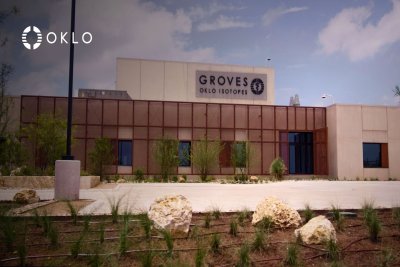
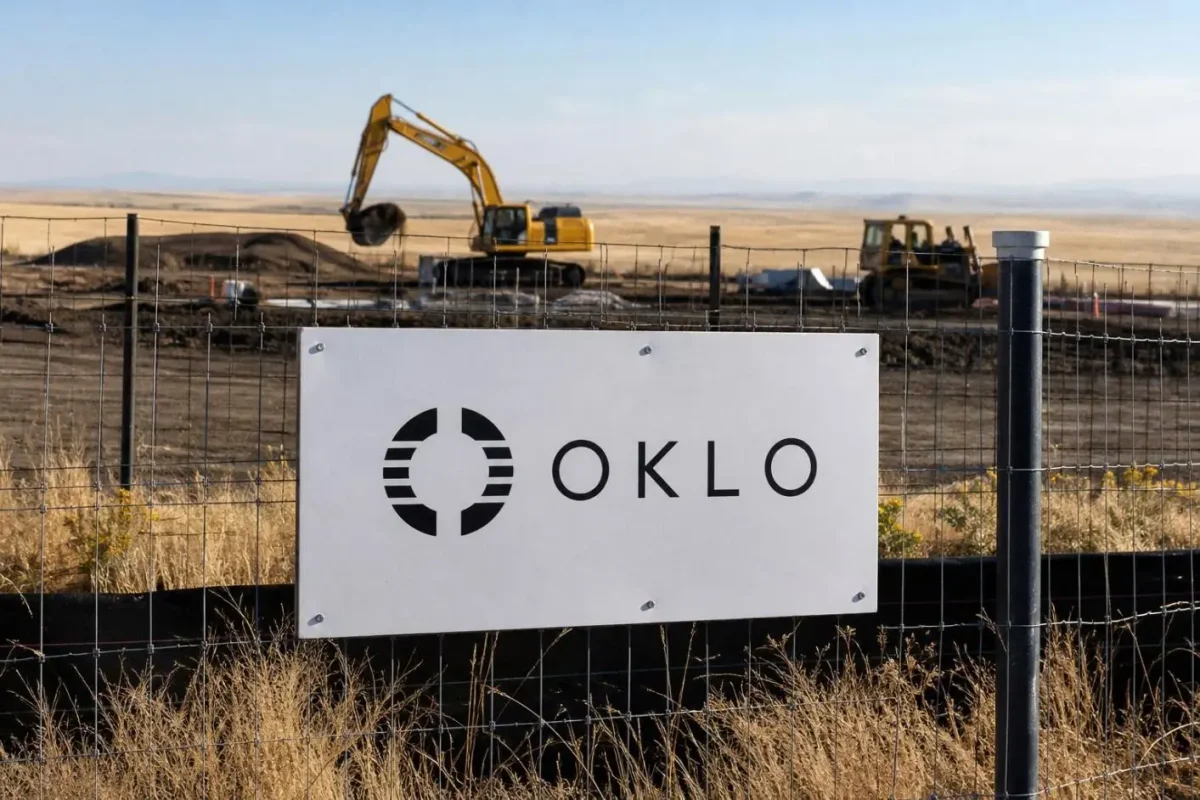
Oklo continues to advance its Aurora fast reactor design, which federal regulators define as a metal-fueled reactor with a capacity of up to 75 megawatts. The Nuclear Regulatory Commission (NRC) has multiple ongoing reviews of the technology. Chief Executive Jacob DeWitte emphasized that Aurora is undergoing "real safety review, real construction," following a safety approval granted in June.
Analyst Sentiment and Valuation Challenges
Wall Street remains cautiously optimistic, with 15 analysts rating the stock a Buy and 7 rating it a Hold. The consensus price target stands at $96, but recent individual targets following second-quarter results range from $51 (Truist) to $100 (Canaccord), with Citi at $58 and H.C. Wainwright at $90. This wide dispersion underscores the valuation uncertainty, as Oklo lacks an earnings multiple to anchor these projections.
The stock's recent performance has been volatile. After two significant fluctuations last week, shares rose 1.07% on Monday, but early Tuesday losses erased those gains. The stock remains 11.5% below its 50-day moving average.
Risks and Opportunities Ahead
Key risks include potential licensing setbacks, challenges with fuel supply, and higher construction expenses, which could necessitate additional funding and further dilute existing shareholders. Conversely, quicker regulatory approvals or finalized power sales agreements could significantly improve the company's outlook.
As the market opens, investors will weigh the insider selling signal against the company's substantial capital reserves. The fundamental question remains whether Oklo can convert its $3 billion war chest into approved, revenue-generating reactors, a transition that will be critical to justifying its current valuation.