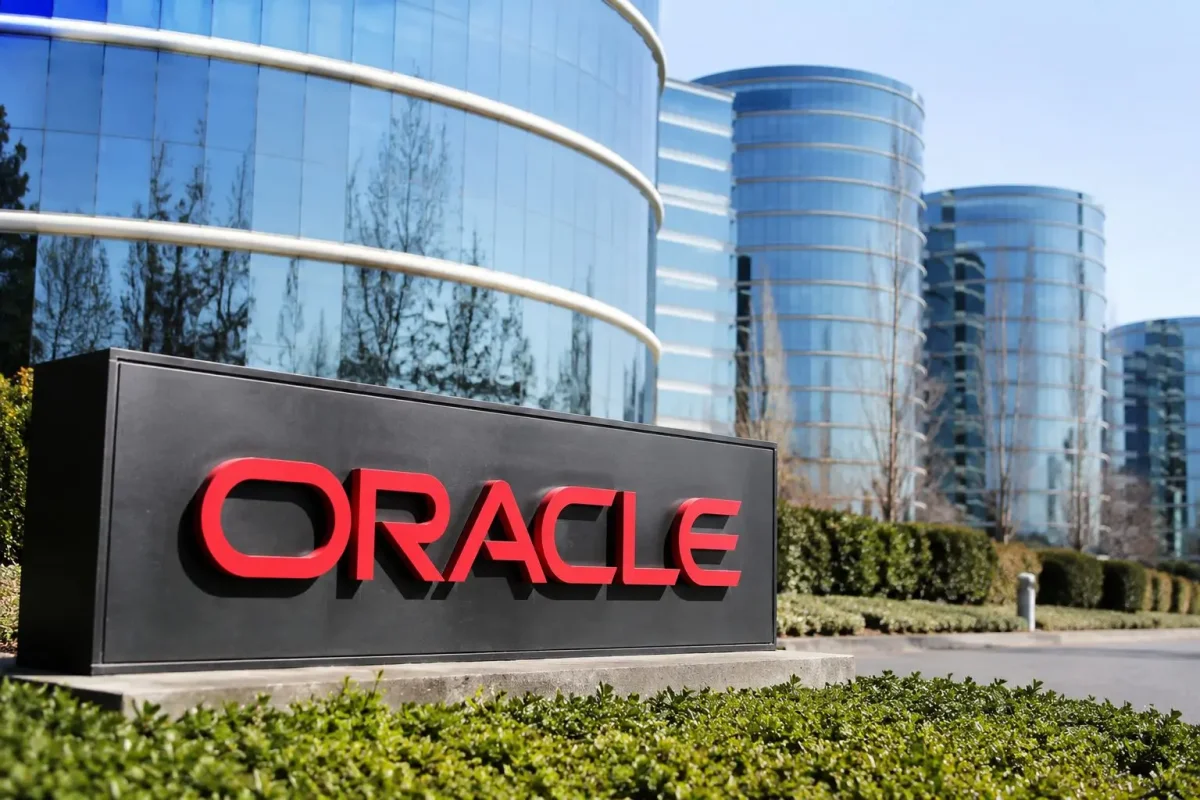
Oracle Corporation (NYSE: ORCL) saw its shares decline 1.9% to $141.07 in Tuesday trading, paring the modest gains from the previous session that had ended a nine-day losing streak. The move comes as the company's massive remaining performance obligations (RPO) of $638 billion—more than 1.5 times its current equity value—keep the spotlight on cash burn and funding needs.
The market's reaction underscores a persistent valuation gap: Oracle's market capitalization stood at approximately $410.8 billion, meaning investors are pricing the stock at roughly 64 cents for every dollar of reported RPO. While RPO is not profit nor near-term revenue, the ratio highlights the market's caution over the heavy capital expenditures and debt required to fulfill these AI-driven contracts.
Oracle's fiscal 2026 operating cash flow came in at $32.0 billion, but free cash flow showed a loss of $23.7 billion as the company ramped up cloud infrastructure investments. The company also plans to raise about $40 billion in fiscal 2027 through a mix of debt and equity, including a previously announced $20 billion at-the-market equity deal. This aggressive funding strategy has rattled investors, especially after Oracle detailed its spending plan following its June earnings report, which triggered a 12% drop on June 11.
Despite these headwinds, analysts remain largely bullish. According to TipRanks, Oracle holds a Strong Buy consensus with 28 Buy ratings, four Holds, and no Sells, with an average price target of $263.86. KeyBanc's Jackson Ader noted that Oracle is "entrenched in the AI hyperscaler game" and believes slower operating expense growth can offset gross margin pressure.
However, the battle now centers on cash conversion. Oracle's prepaid and customer-supplied hardware from large AI contracts amounts to $75 billion, which offsets part of the funding gap but not all. The company's net capital expenditure projection of around $70 billion for the current fiscal year adds to investor unease.
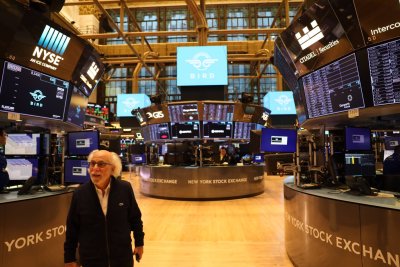
On Tuesday, the broader market also struggled, with the S&P 500 slipping 0.27% and the Nasdaq dropping 0.64%, pressured by chip stocks after Samsung Electronics reported results that missed high AI expectations. "Expectations have gotten to be almost impossible to beat," said Zachary Hill, head of portfolio management at Horizon Investments.
Oracle's stock swung between $137.57 and $146.44 during the session, a 6.2% range from Monday's close, with over 30 million shares traded. The company's cloud rivals Microsoft (NASDAQ: MSFT) and Amazon (NASDAQ: AMZN) both traded higher, highlighting Oracle's relative underperformance.
The key question for investors remains whether AI demand will generate sufficient revenue before the fresh funding dilutes returns or strains the balance sheet. With the stock down more than half from its September 2025 high, the market is clearly demanding more evidence of cash flow improvement before closing the valuation gap.