The U.S. Department of Energy announced two advanced-reactor criticality demonstrations within 14 days, marking a significant step in the nuclear energy sector. On June 4, Antares’ Mark-0 achieved criticality at Idaho National Laboratory, followed by Valar Atomics’ Ward 250 at the Utah San Rafael Energy Lab on June 18. Neither reactor is generating electricity yet, but the events signal a shift from policy discussions to tangible hardware deployment.
Pentagon Leads the Charge
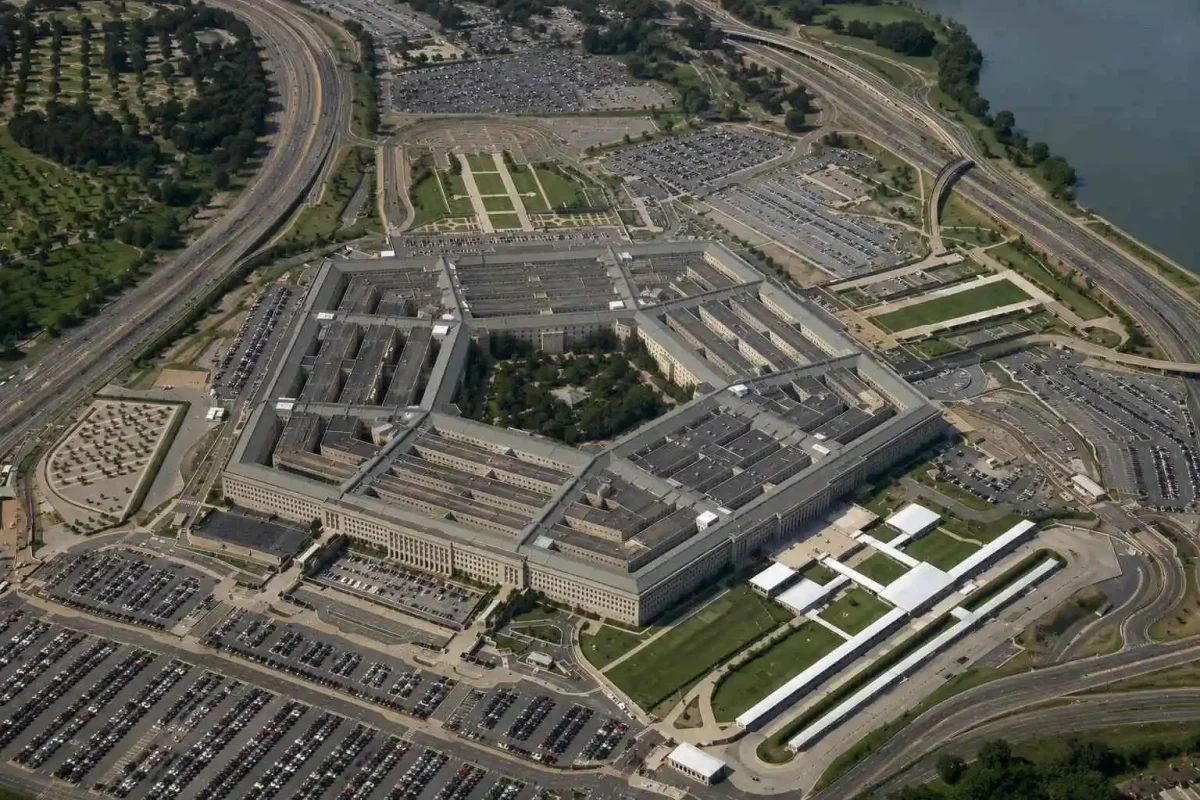
Defense demand is emerging as the strongest near-term driver for small modular reactors (SMRs). The U.S. Army has allocated over $2 billion over five years for microreactor projects, as reported by The National Interest. Army reactor program chief Jeff Waksman emphasized the next challenge: generating electrons. Projects like Project Pele, Janus, and Eielson Air Force Base are moving small nuclear from a future grid option to a national-security priority.
Project Pele, a 1.5 MWe transportable microreactor using TRISO fuel, fits inside four 20-foot containers and can be moved by C-17 aircraft. While its output is modest, it could provide critical power for bases cut off from diesel or grid supply. A 2018 Army study found that 52% of casualties in Iraq were tied to land-transport missions, including fuel convoys, highlighting the strategic importance of reducing fuel logistics.
From Criticality to Production
Valar Atomics’ Ward 250 became the first DOE-authorized reactor built outside a national laboratory to achieve criticality, according to POWER Magazine. Valar co-founder Isaiah Taylor noted, “Nine months ago, this was an empty site,” underscoring the rapid development pace. The DOE expects several advanced reactors to reach criticality by July 4, pushing the sector from white papers to a real production timeline.
However, zero-power criticality is not the same as generating electricity for the grid. The next challenge is moving from controlled reactions to steady power output while navigating military regulations, regulatory approvals, and fuel supply constraints.
Market Implications and Demand
Near-term demand in defense is clearer than most reporting suggests. The DOE and EIA list nine Army sites under Janus review, with analysts citing 1–20 MW per installation. That translates to 9–180 MW if each site gets one unit, not including Eielson, Project Pele, or potential Navy buys. While small compared to the U.S. nuclear fleet of 98 GW, this demand is enough to standardize parts, log operational data, and strain the HALEU supply chain before larger civilian SMR builds.
OilPrice recently called SMRs a national-security play, linking them to AI, chips, advanced manufacturing, and military needs for steady power. The DOE followed with $94 million in cost-shared awards in May for advanced light-water SMR deployment projects, covering licensing, supply chain, and site work.
Regulatory and International Push
The U.S. Nuclear Regulatory Commission has accelerated small-reactor licensing reforms after a White House order pushing for faster design approvals. Rita Baranwal, chief nuclear officer at Radiant Industries, noted the importance of data sharing between agencies while preserving NRC independence. Yasir Arafat at Idaho National Laboratory added that new rules allow the NRC to formally credit data from demonstrations.
Internationally, the Gulf region is exploring SMRs for energy advantage and infrastructure security. Kuwait and the IAEA have studied SMR integration, while IAEA chief Rafael Mariano Grossi ramped up outreach after the May drone attack at the UAE’s Barakah nuclear plant, focusing on safety and emergency planning.
Challenges Ahead
Policy momentum may outpace what’s possible with the current reactor fleet. HALEU fuel remains in short supply, and new fuel plans face security debates. A recent Reuters report highlighted concerns over a U.S. plan to use surplus plutonium, with nonproliferation experts warning about weapons-usable material. Industry officials stress that rules, NRC checks, and federal programs must keep pace with deployment goals.