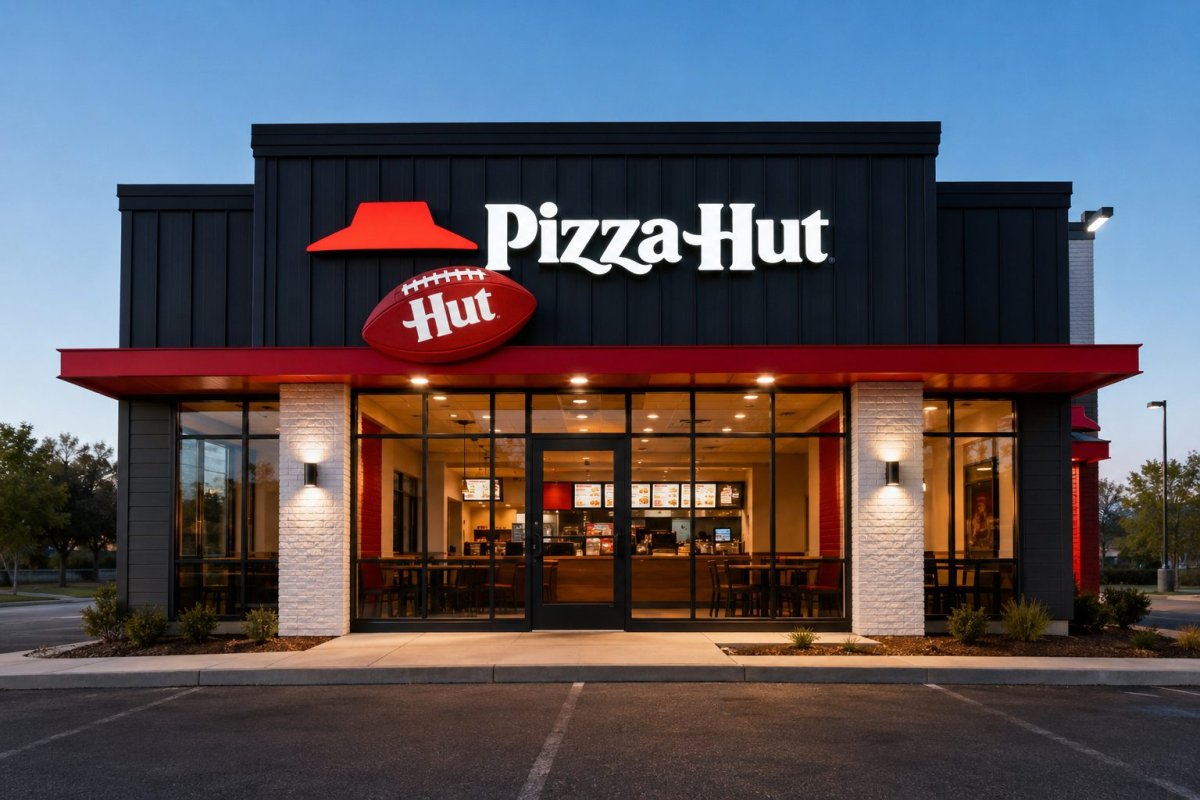
As the 2026 NFL season kicks off, Pizza Hut is rolling out a temporary rebrand, shortening its name to simply “Hut” for 25 weeks. The playful marketing move, marked by football-shaped signs covering the “Pizza” portion of select restaurant facades, is designed to align with the sport’s cadence and fan engagement. However, the timing of this campaign is notable: it arrives just as parent company Yum! Brands (NYSE: YUM) is finalizing the sale of the pizza chain, a transaction that will reshape the company’s portfolio and capital structure.
Strategic Divestiture and Capital Deployment
Yum has agreed to sell Pizza Hut in two separate transactions totaling $2.7 billion. The first leg, the sale of Pizza Hut China to Yum China Holdings (NYSE: YUMC), closed on August 7 for $1.2 billion. The second, the divestiture of the remaining international business to LongRange Capital, is scheduled to close by the end of August, subject to customary closing conditions. After accounting for taxes, adjustments, and separation costs, Yum expects to net approximately $2.3 billion from these deals.
The company’s board has also authorized an additional $4 billion share repurchase program, signaling a clear commitment to returning capital to shareholders. This buyback authority represents about 9.3% of Yum’s current market capitalization, which stood at $42.84 billion as of Monday’s close. At the recent share price of $156.98, the $4 billion could retire roughly 25.5 million shares, or 9.3% of shares outstanding.
Market Reaction and Financial Context
Yum’s shares traded 2.6% higher on Monday, reaching $156.98, though analysts caution that the uptick is more likely a recovery from a recent selloff triggered by a Taco Bell cyclospora outbreak rather than a direct response to the Pizza Hut rebrand. The stock remains about 15% below its peak, and the company’s P/E ratio stands at 19.76 based on trailing earnings.
The expected net proceeds from the Pizza Hut sales represent 5.4% of Yum’s market value, while the incremental buyback authorization adds another 9.3% of capacity. This combination of cash inflow and repurchase authority gives management significant flexibility to enhance shareholder value, but it also shifts the company’s earnings base, removing a brand that has struggled in recent quarters.
Pizza Hut’s Performance and the Divestiture Rationale
Pizza Hut’s global system sales declined 2% in the second quarter of 2026, with the United States down 5% and Europe down 11%. China, however, showed resilience with a 4% increase, and India grew 5%. The China business, which Yum China now owns, posted 6% system sales growth and 1% same-store sales growth, with transactions up 13% and an average ticket decline of 11%. As of June, Pizza Hut China operated 4,549 stores.
Yum’s remaining portfolio is performing stronger. Taco Bell, which has faced recent food-safety concerns, still managed 7% same-store sales growth last quarter. KFC’s system sales rose 6% excluding currency effects. Excluding Pizza Hut, Yum’s overall system sales grew 7% and core operating profit increased 8%, underscoring the rationale for the divestiture.
Analyst Sentiment and Outlook
Wall Street remains largely constructive on Yum. Recent analyst actions include Buy ratings from Evercore ISI (target $190), Morgan Stanley ($185), Argus ($180), Stifel ($174), and Baird ($174), while Bank of America holds a Hold rating with a $178 target. The average price target across analysts is $175.07, implying roughly 11% upside from current levels. There are no Sell ratings among the 15 analysts covering the stock.
CEO Chris Turner has described the transactions as making Yum “a more focused company,” with a leaner portfolio centered on its faster-growing brands. The “Hut” campaign, while a creative consumer engagement, offers little insight into the company’s future earnings power, as the buyer will own the marketing upside from the NFL season.
Risks and Considerations
Investors should monitor several risks: the LongRange deal could face delays, buyback execution may be slower than anticipated, and Taco Bell’s traffic could remain pressured if the cyclospora outbreak lingers. Additionally, a weaker U.S. consumer could strain franchisee economics across Yum’s portfolio. For now, the company’s capital allocation strategy and the performance of its core brands will likely dictate its near-term trajectory.