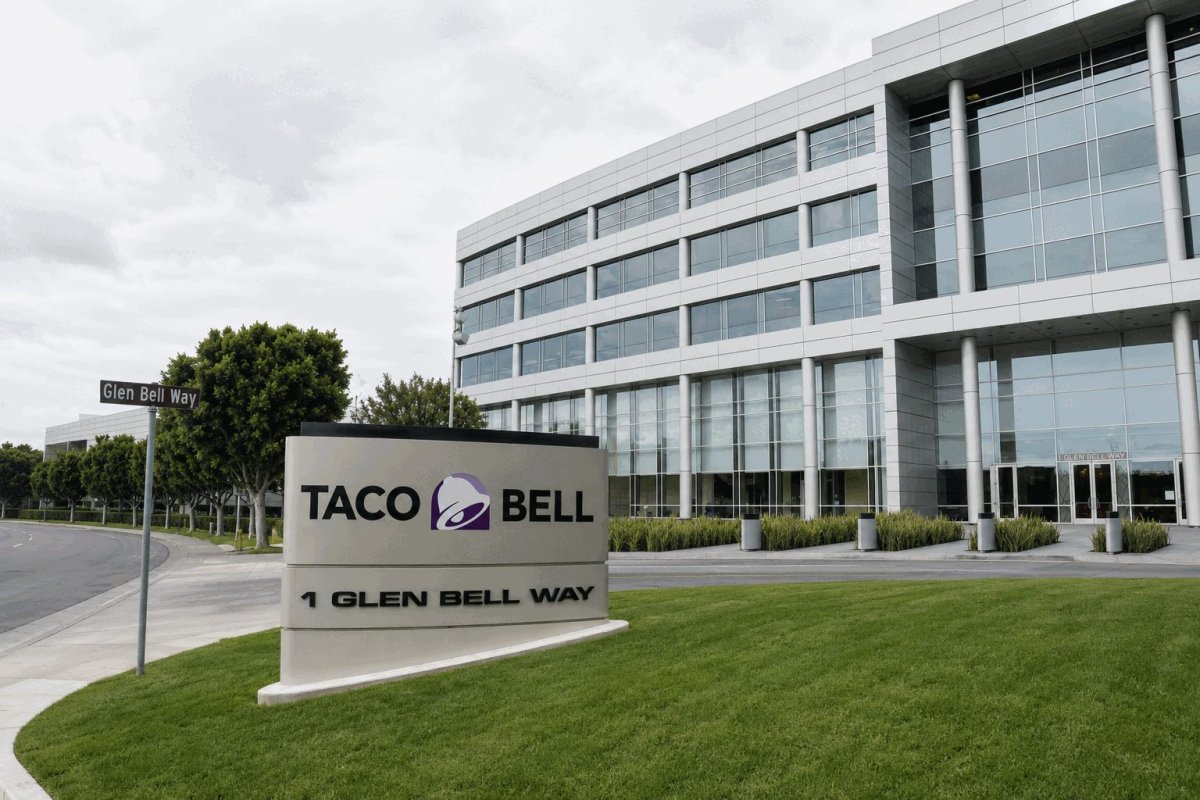
Yum Brands Inc. (NYSE: YUM) shares have fallen approximately 15% from their July peak following a food-safety scare at its Taco Bell chain. The stock closed Monday at $145.36, down 1.86% on the day, and roughly $24.78 below its July 7 high. Early premarket trading on Tuesday suggested a modest rebound of 0.2%.
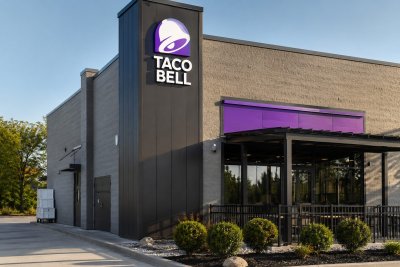
The decline comes after the FDA and CDC linked a Cyclospora outbreak to iceberg lettuce served at Taco Bell. The supplier, Taylor Farms de Mexico, was identified as the source, and Taco Bell discontinued use of the supplier on July 17. Acting FDA Commissioner Kyle Diamantas stated that the recalled lettuce has been "effectively removed from the market," but the investigation remains ongoing.
Before the outbreak, Taco Bell was performing strongly. In the second quarter, same-store sales rose 7% year-over-year, system sales increased 9% to $4.677 billion, and operating profit jumped 19% to $311 million. The company also opened 54 new restaurants, bringing its total to 9,046 locations. CEO Chris Turner described the period as "another strong quarter with robust same-store sales and restaurant-level margin performance."
The outbreak, however, has taken a toll on customer traffic. Placer.ai data shows that visits to Taco Bell on July 17 were 30.9% below the chain's typical Friday volume, a significant revision from an earlier estimate of 19%. This compares to a 1.9% decline for the overall fast-food sector on the same day, leaving a 29-point gap. While these figures are based on mobile-location data and not official sales, they provide an early indicator of consumer reaction.
The key question for investors is whether the traffic decline is temporary or signals a longer-term trust issue. In a franchise-heavy model, a short-lived dip can be absorbed, but prolonged weakness could threaten the 7% same-store sales growth and pressure franchisee profitability.
Wall Street remains cautiously optimistic. The consensus price target among 19 analysts is $174.65, implying a 20.15% upside from Monday's close. Twelve analysts rate the stock a Buy, while seven say Hold. However, recent target adjustments reflect caution: Argus lowered its target to $180 from $185, JPMorgan cut to $160 from $170, and Deutsche Bank maintained a Hold with a $174 target. RBC raised its target to $170 from $165.
The wide range of targets—from JPMorgan's $160 (10% upside) to Argus's $180—suggests investors are looking for concrete evidence of recovery rather than reassurances. The next data points will be weekly traffic figures and third-quarter sales results. If Taco Bell's traffic begins to align with industry trends, it would support the view that the recall's impact was short-lived. Conversely, continued weakness could make the current discount look more permanent.
Risks remain. Case numbers could rise as reporting lags up to six weeks. Authorities may uncover additional contamination channels or impose stricter regulations. Consumer hesitancy, softer restaurant demand, and higher franchise costs could also delay a rebound.
For now, Yum Brands is in a waiting game, with the market weighing a strong pre-outbreak performance against an uncertain recovery timeline.