U.S. cash markets closed for the weekend on Friday, capping a week of gains as investors digested a key earnings report from the U.S. Postal Service that underscored the shifting dynamics of the parcel delivery industry. The USPS reported a fiscal third-quarter net loss of $2.5 billion, an improvement of $562 million from the year-ago period, driven largely by higher shipping prices even as package volumes declined.
The results, released Friday afternoon, show that the postal service's strategy of prioritizing price over volume is beginning to pay off. Shipping and packages revenue rose 7.7% to $8.25 billion, while package volume fell 3.4% to 1.554 billion pieces. Implied revenue per package jumped approximately 11.5% to $5.31 from $4.76 a year earlier, according to USPS data.
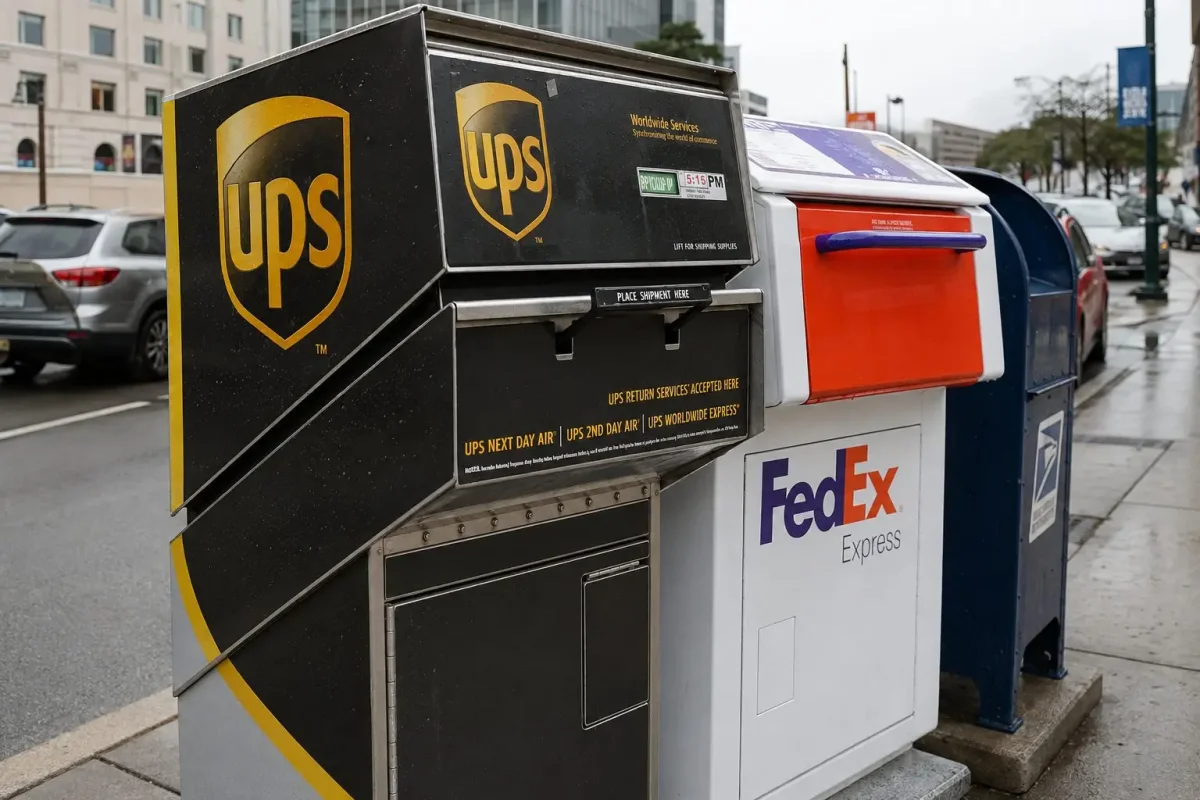
The outcome is significant not only for the state-owned carrier but also for private rivals United Parcel Service (NYSE: UPS) and FedEx Corp. (NYSE: FDX). Both companies have been focused on yield management, and the USPS's pricing discipline supports an industry-wide trend away from discount-driven competition.
UPS reported a similar pattern in its latest quarter, with domestic revenue per piece up 9.3% and average daily package volume down 3.3%. FedEx also saw U.S. package yields improve, with revenue climbing 12.6% though adjusted margin slipped to 8.4% from 9.1%. FedEx CEO Raj Subramaniam said, "Our profitable growth strategy is working."
For the week, UPS shares advanced 0.3% to close at $104.50, while FedEx gained 3.6% to $318.57, matching the S&P 500's weekly rise of 3.6%. Analyst consensus targets imply further upside: 11.2% for UPS and 15.6% for FedEx based on Friday's closing prices.
Beyond parcels, USPS saw broad revenue growth. Marketing Mail revenue increased 12.3%, and First-Class Mail revenue rose 4.3%, with Marketing Mail the only category to post volume growth. However, costs remain a challenge. Operating expenses climbed 2.0% to $22.5 billion, and the postal service deferred about $1.4 billion in pension contributions during the quarter.
Postmaster General David Steiner said the quarter demonstrated "the strong leverage that pricing can have on results," adding that USPS has "more price to take." The 8% parcel surcharge, implemented earlier this year, is set to expire on January 17, though further hikes could accelerate volume declines.
The pricing strategy does not resolve the postal service's long-term solvency issues. USPS delivers to over 170 million locations, and Steiner noted that 70% of delivery routes and 58% of postal branches operate at a loss. Total losses have exceeded $120 billion since 2007. Congressional reform remains uncertain, and private carriers face their own cost pressures from wages, fuel, and purchased transport.
Looking ahead, investors will focus on macro data that could influence parcel demand and costs. July's Consumer Price Index is due Wednesday, followed by the Producer Price Index on Thursday and retail sales on Friday. Inflation directly impacts transportation expenses, while retail spending trends signal e-commerce activity.
For parcel investors, the key takeaway is that USPS is not engaging in price wars. Instead, it is using pricing power to narrow losses, which allows UPS and FedEx to protect their yields. Margins remain the critical metric to watch in the coming quarters.