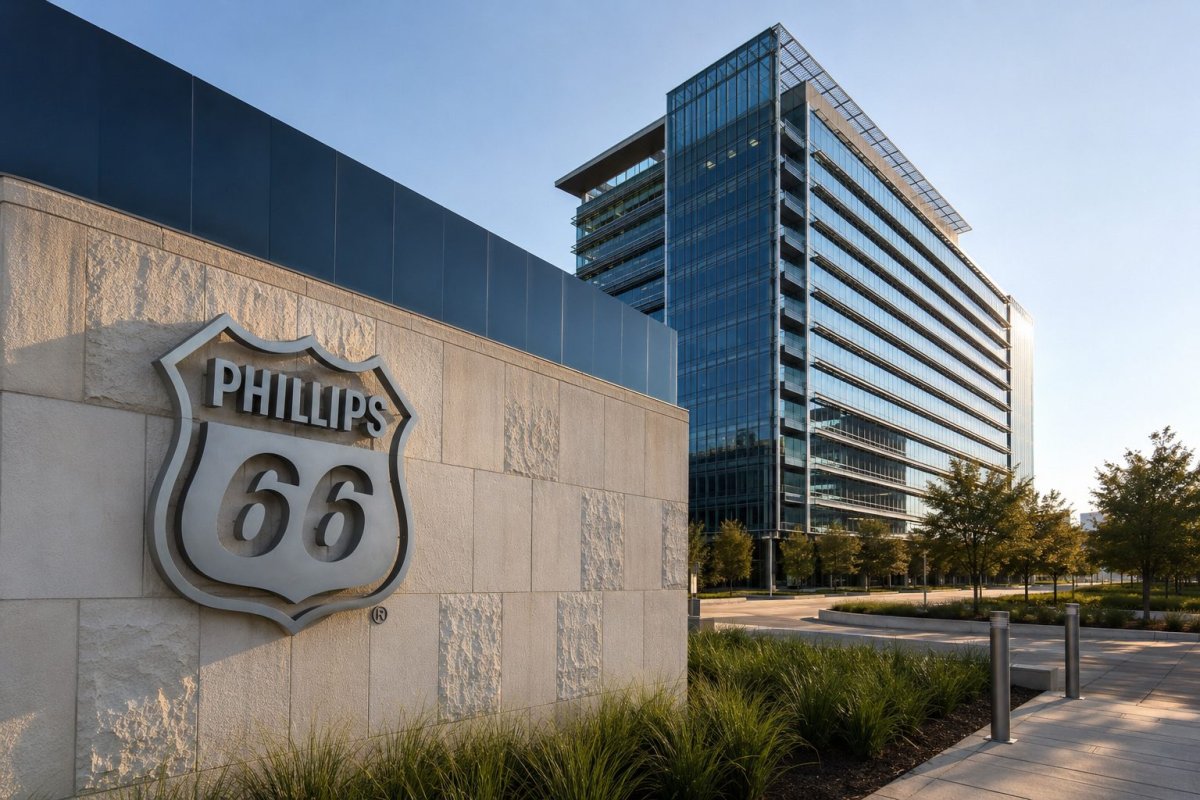
Phillips 66 (NYSE:PSX) edged closer to its all-time high on Friday as the U.S. refining sector posted its most profitable quarter since 2022. The stock touched a record $236.14 earlier in the session before easing to $232.11, down 0.2% from the previous close. Despite the slight pullback, shares have surged roughly 75% year-to-date, far outpacing the S&P 500 energy sector's 36% gain.
However, the market's attention has shifted from the earnings beat to how companies will deploy their windfall. Phillips 66 currently trades above the average price target of $223.64 set by Wall Street analysts, implying limited upside based on consensus estimates. As a result, investors are focusing on capital allocation strategies—buybacks, dividends, debt reduction, and growth investments—as the next key driver for the stock.
Record Cash Generation
In the second quarter, Phillips 66, Marathon Petroleum (NYSE:MPC), and Valero Energy (NYSE:VLO) collectively returned $6.3 billion to shareholders through buybacks and dividends, more than double the $2.6 billion returned a year earlier. Yet profits grew at an even faster pace, pushing the combined implied payout ratio down to 50% from nearly 90% in the same period last year. The trio generated a combined net profit of $12.6 billion, up 334% year-over-year, leaving $6.3 billion in retained earnings after payouts—roughly 21 times higher than the $0.3 billion retained in Q2 2025.
This retained cash gives management significant flexibility. "To say that they made a lot of cash is an understatement," said Gabelli analyst Simon Wong. The funds could be used to lower debt, finance new projects, or continue aggressive share repurchases. But it also raises expectations for tangible returns to shareholders.
Record Margins Drive Profits
The profit surge was fueled by record refining margins. The U.S. diesel crack spread hit an all-time high of $93.84 per barrel on August 10, while the gasoline crack reached $60 per barrel on July 17—the highest since April 2020. Global supply disruptions, particularly in the Red Sea and Hormuz, squeezed fuel markets, pushing product prices higher than crude.
Phillips 66 has matched these margins with an expanded capital-return program. In July, the board approved an additional $10 billion for share repurchases, representing about 10.8% of the company's $92.7 billion market capitalization. TD Cowen analyst Jason Gabelman projects Phillips 66 will buy back roughly 10% of its market cap between Q3 2026 and the end of 2027, lower than the ~20% anticipated for Marathon and Valero, as the company allocates more cash to growth and debt reduction.
Western Gateway Pipeline
A major use of that cash is the Western Gateway pipeline. This week, Phillips 66, Kinder Morgan (NYSE:KMI), and HF Sinclair (NYSE:DINO) gave the green light to the $5 billion project, which will transport 230,000 barrels of refined products per day to Arizona and California by 2029. Most agreements are expected to be 10-year take-or-pay contracts, providing stable cash flows.
Valuation and Risks
After the rally, valuation leaves little room for error. Of the 14 analysts covering Phillips 66, eight rate it a buy and six a hold, with a consensus target price of $223.64—about 3.7% below Friday's closing level. Only one analyst, TD Cowen's Gabelman, sees double-digit upside, with a $255 target.
Risks remain, however. Industry executives noted that refining margins have started to decline in the third quarter, and jet fuel demand has yet to deliver its usual seasonal boost. The Western Gateway project also faces construction, regulatory, and demand uncertainties ahead of its 2029 launch.
The next re-rating will depend on concrete proof of capital discipline. Sustained crack spreads would safeguard free cash flow, while accelerated buybacks or debt repayment would demonstrate that retained earnings are boosting per-share value. Without both, analyst forecasts suggest limited near-term support for the stock.