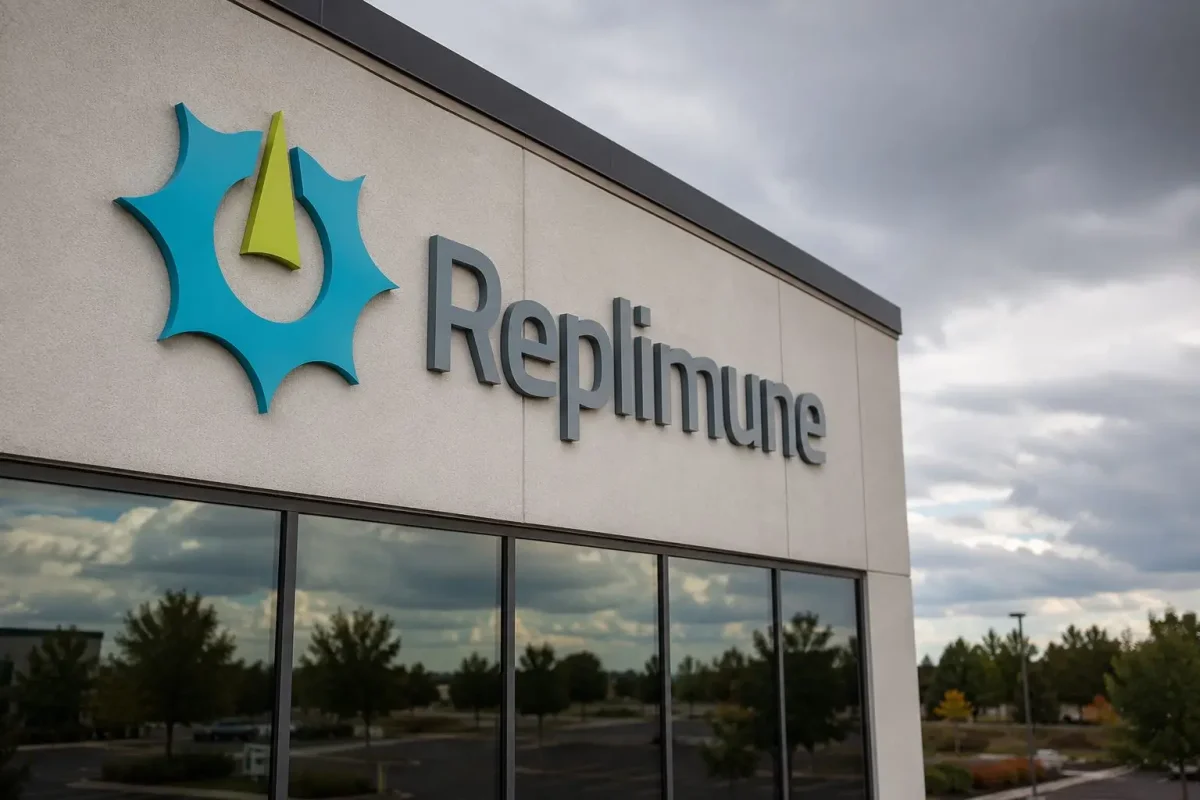
Replimune Group Inc. (NASDAQ: REPL) experienced a dramatic surge on Friday, with shares closing at $11.20, up 107.0% from the previous session. The rally came after a U.S. Food and Drug Administration (FDA) advisory committee voted 10-3 that the efficacy data for the company's investigational therapy RP1 was both evaluable and clinically significant. The vote, while not binding, significantly boosted investor sentiment, adding approximately $485 million to the company's market capitalization, which now stands at $940.2 million. Trading volume reached 33.38 million shares, 7.5 times the average daily volume.
Panel Decision and FDA Review
The advisory panel's vote focused on the reliability and clinical meaningfulness of the data from the IGNYTE trial, rather than on whether to grant approval. This is a critical distinction, as the FDA is scheduled to make its final decision on RP1 by Sunday, August 2. The agency had previously rejected the application twice, making the panel's endorsement a significant turnaround. The FDA's own analysis of the data, however, reported a primary response rate of 15.7%, substantially lower than the 33.6% claimed by Replimune.
Data Discrepancies and Market Reaction
The core of the debate lies in the differing response rates. Replimune reported an objective response rate of 33.6% (25.8%–42.0%) based on 47 responders out of 140 patients, with a median duration of response of 24.8 months. In contrast, the FDA's main analysis identified only 22 responders (15.7%, 10.1%–22.8%) with a median duration of 14.1 months. The FDA also conducted a reanalysis of 89 patients, finding a 24.7% response rate (16.2%–35.0%). The agency determined that 53% of the sponsor-defined responders did not have a non-injected target lesion, which complicated the assessment of the drug's effect beyond the injected tumors. The presence of nivolumab (Opdivo) in the combination regimen further muddied the attribution of the response.
Analyst and Expert Commentary
Despite the data challenges, analysts remained optimistic. Evan Seigerman of BMO Capital Markets described the testimony as a "compelling case for RP1 despite FDA criticism," and called accelerated approval "almost certain." However, panel member John Carrino characterized the data as "really messy," reflecting the ongoing uncertainty. Replimune CEO Sushil Patel called the vote "an important step forward" and reaffirmed the company's commitment to working with the FDA ahead of the decision deadline.
Market Context and Competitive Landscape
The stock's performance on Friday was a stark contrast to earlier in the week, when shares had fallen 44.8% by Tuesday following the release of FDA staff documents. The weekly result, however, was positive, with the stock ending 15.5% higher than its July 24 close. The jump also had implications for competitors. Iovance Biotherapeutics (NASDAQ: IOVA), which markets Amtagvi, a cell therapy for the same indication, saw its shares drop 13.4% on Friday. While the two treatments are not direct substitutes—Amtagvi requires a hospital stay and lymphodepletion, whereas RP1 is an intratumoral injection—the market reaction reflects shifting expectations. Panelist Hussein Tawbi noted that RP1 seemed "a lot safer, a lot easier" compared to Amtagvi.
Financial Position and Launch Preparedness
Approval would bring new challenges, particularly regarding commercialization. After the FDA's rejection in April, Replimune reduced its workforce by approximately 55%, leaving the company without internal sales, marketing, or commercialization teams. Rebuilding these capabilities will require significant time and financial resources. As of March 31, the company held $268.9 million in cash and short-term investments, with debt of $83.3 million. Operating cash usage for the fiscal year was $280.3 million. Management has indicated that current funding should support operations into early 2027, including expected launch scale-up costs.
Looking Ahead
The FDA's decision, expected before Monday's market open, will be the next major catalyst. Investors will be closely watching the approval outcome, the label details, and any requirements for confirmatory trials. The company's launch strategy and financing plans could also become immediate points of focus. While the panel's vote has shifted the narrative, the FDA is not obligated to follow its recommendation. A rejection, a restrictive label, or stringent post-market conditions could quickly erase Friday's gains. Even with approval, the path to successful commercialization remains fraught with execution risks.
As the market awaits the final verdict, the underlying data debate remains unresolved. The difference in response rates between Replimune's assessment and the FDA's analysis underscores the complexities of evaluating novel cancer therapies. For now, investors are betting that the panel's endorsement will carry weight, but the ultimate decision rests with the FDA.