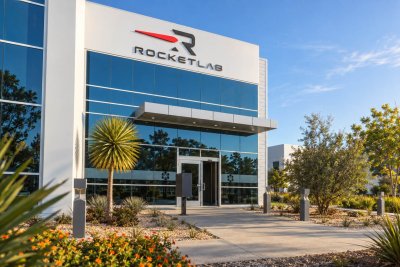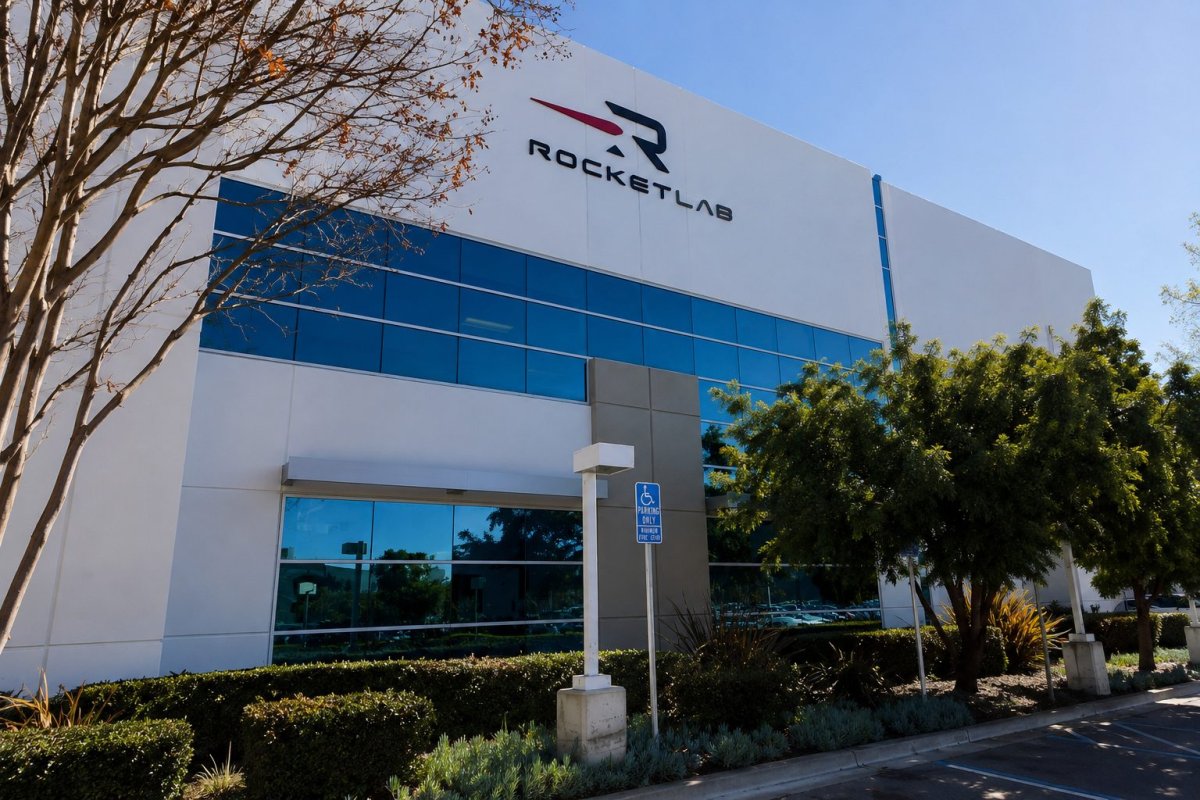
Rocket Lab's stock skyrocketed 34.3% on Friday, closing at a record $105.55, as investors cheered the company's strongest-ever first-quarter revenue and a rapidly expanding launch backlog. The rally occurred ahead of Monday's regular U.S. trading session, reflecting heightened investor enthusiasm.
The Long Beach, California-based company reported first-quarter revenue of $200.3 million, a 63.5% increase year-over-year, surpassing analyst expectations. Even more notable was the swelling backlog, which now stands at $2.2 billion, signaling robust future demand. For the second quarter, management guided revenue between $225 million and $240 million, indicating continued momentum.
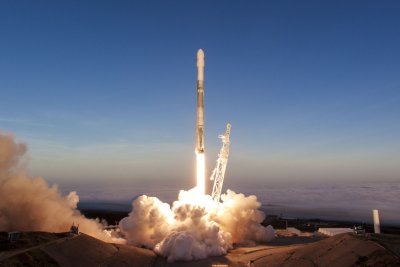
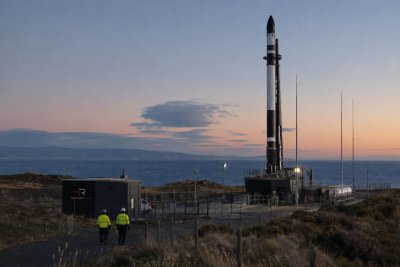
Rocket Lab is aggressively shedding its image as a small-launch specialist. The company signed 31 new contracts for its Electron and HASTE vehicles, along with five dedicated Neutron missions, pushing its total manifest beyond 70 contracted flights. The largest new deal, from an undisclosed client, locks in five Neutron launches and three Electron flights between 2026 and 2029. CEO Sir Peter Beck called this proof that "the space industry needs more launch capacity," a direct appeal to customers evaluating options alongside SpaceX's Falcon 9.
Defense contracts are becoming a key growth pillar. Rocket Lab secured a $30 million agreement with Anduril Industries to conduct three hypersonic test launches using its HASTE vehicle from Virginia, with the first flight expected within a year. Anduril's engineering chief, Gokul Subramanian, described hypersonics as "one of the most complex problems in defense." According to Aviation Week, Anduril's tests are self-funded and linked to an internal hypersonic vehicle project. On the earnings call, Beck estimated the earliest possible launch in November 2026 but declined to provide further details.
Additionally, Rocket Lab announced a partnership with Raytheon for a U.S. Space Force project focused on space-based interceptor demonstrations, aimed at countering hypersonic and maneuvering threats. Brad Clevenger, president of Rocket Lab USA, emphasized that the next wave of missile defense is a "national security priority."
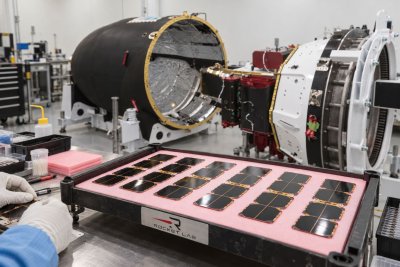
Rocket Lab is also expanding through acquisition. The company agreed to buy Motiv Space Systems, a California firm specializing in space robotics and precision hardware, including solar array drive assemblies. Tight supply of these components can delay satellite production. The deal is expected to close in the second quarter.
Wall Street responded positively to the results. TD Cowen raised its price target to $120 from $90, maintaining a buy rating. Craig-Hallum upgraded the stock to buy with a $98 target. However, the consensus target on MarketBeat stood at $90, below the closing price, highlighting how quickly shares have outpaced some analyst projections.
Despite the strong top-line performance, Rocket Lab remains unprofitable, posting a net loss of $45.0 million for the first quarter. Management expects an adjusted EBITDA loss between $20 million and $26 million in the second quarter. The company's filings caution that delays or issues with Neutron could dent customer confidence, squeeze future revenue, or put liquidity at risk.
Neutron remains a wild card. Rocket Lab maintains the medium-lift rocket should fly for the first time later this year, though its 10-Q flagged typical risks from engineering, testing, or infrastructure delays. CFO Adam Spice noted that roughly 36% of the $2.2 billion backlog is expected to convert to revenue over the next 12 months. CEO Beck assured investors the company is "on track to beat last year's launch record."