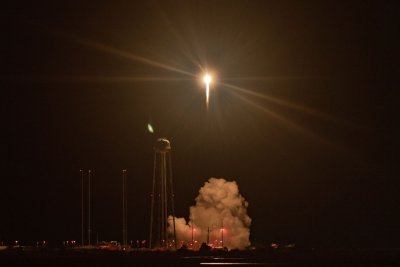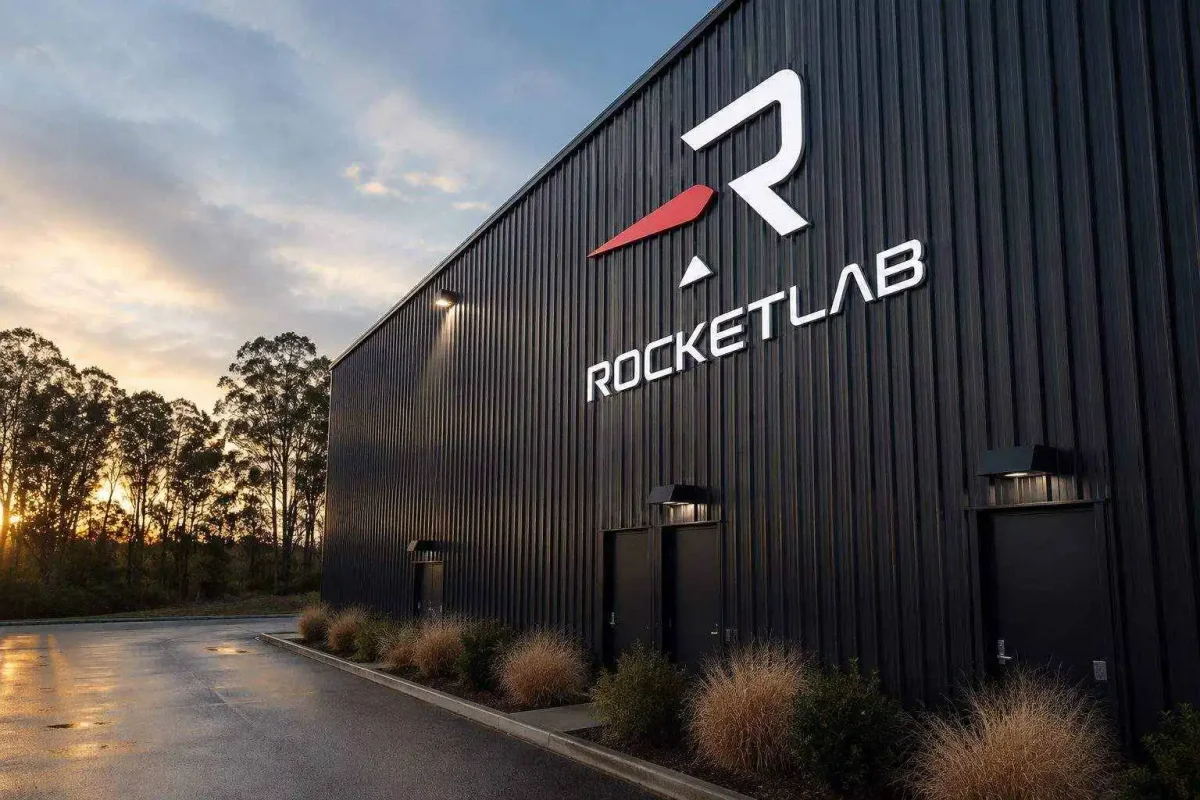
Rocket Lab Corporation (NASDAQ:RKLB) saw its shares rise 4.5% in premarket trading on Monday, reaching $66.80, as investors reacted to the company's disclosure of additional details surrounding its landmark $266 million contract with the U.S. Space Force. The award, which was initially announced by the government on July 21, represents the largest launch contract in the company's history and accounts for approximately 12% of Rocket Lab's reported backlog as of March.
While the headline figure was not new—the stock had already climbed 5.1% on the day of the initial announcement, closing at $69.12—Monday's move reflects a follow-up valuation adjustment as the market digested the full scope of the agreement. The premarket gain recouped nearly half of Friday's $6.08 decline, though shares remained 4.6% below Thursday's close of $69.99. The stock had finished Friday down 8.7% at $63.91.
Contract Details and Strategic Implications
The U.S. Space Force has ordered 12 suborbital launch vehicles under the contract, with an option for an additional six launches. The agreement extends through December 2028, with the first mission expected no earlier than late 2026. Most launches will originate from Rocket Lab's new facility at the Pacific Spaceport Complex in Alaska. The government committed $112 million at the time of award, and three bids were received for the firm-fixed-price contract.
The contract's face value represents 12.1% of Rocket Lab's $2.2 billion backlog as of March and is 1.33 times the company's first-quarter revenue of $200.3 million. However, these metrics illustrate scale rather than immediate revenue recognition, as the program's timeline stretches over several years.
Comparison with Previous Contract
The new award compares with a $190 million MACH-TB contract signed in March, which covered 20 launches at an implied value of $9.5 million per flight. The Space Force contract implies a per-launch value ranging from $14.8 million to $22.2 million, depending on whether the option for six additional launches is exercised. This represents a 56% to 133% increase over the March deal, potentially indicating more complex mission requirements or enhanced capabilities. Rocket Lab did not specify how much of the $266 million relates to base tasks versus options.
“The size and scale of this contract reflects the Space Force’s confidence in our team and our technology,” said Peter Beck, founder and Chief Executive of Rocket Lab.
Financial Context and Outlook
Rocket Lab reported first-quarter revenue of $200.3 million, a 63.5% year-over-year increase, with GAAP gross margin at 38.2%. Backlog grew 20.2% quarter-over-quarter. For the second quarter, management expects revenue between $225 million and $240 million, with an adjusted EBITDA loss of $20 million to $26 million. The company is scheduled to report earnings after the market close on August 10, with a conference call at 5 p.m. EDT.
Risks and Considerations
Investors should note that six launches remain optional, and fixed-price contracts could pressure margins if cost overruns occur. Revenue recognition may be deferred if there are delays. Additionally, Rocket Lab's proposed $8 billion acquisition of Iridium Communications (NASDAQ:IRDM) introduces financing and integration risks. Market attention will focus on Monday's regular session open as a key test of whether the premarket advance can hold, especially after last week's volatility.