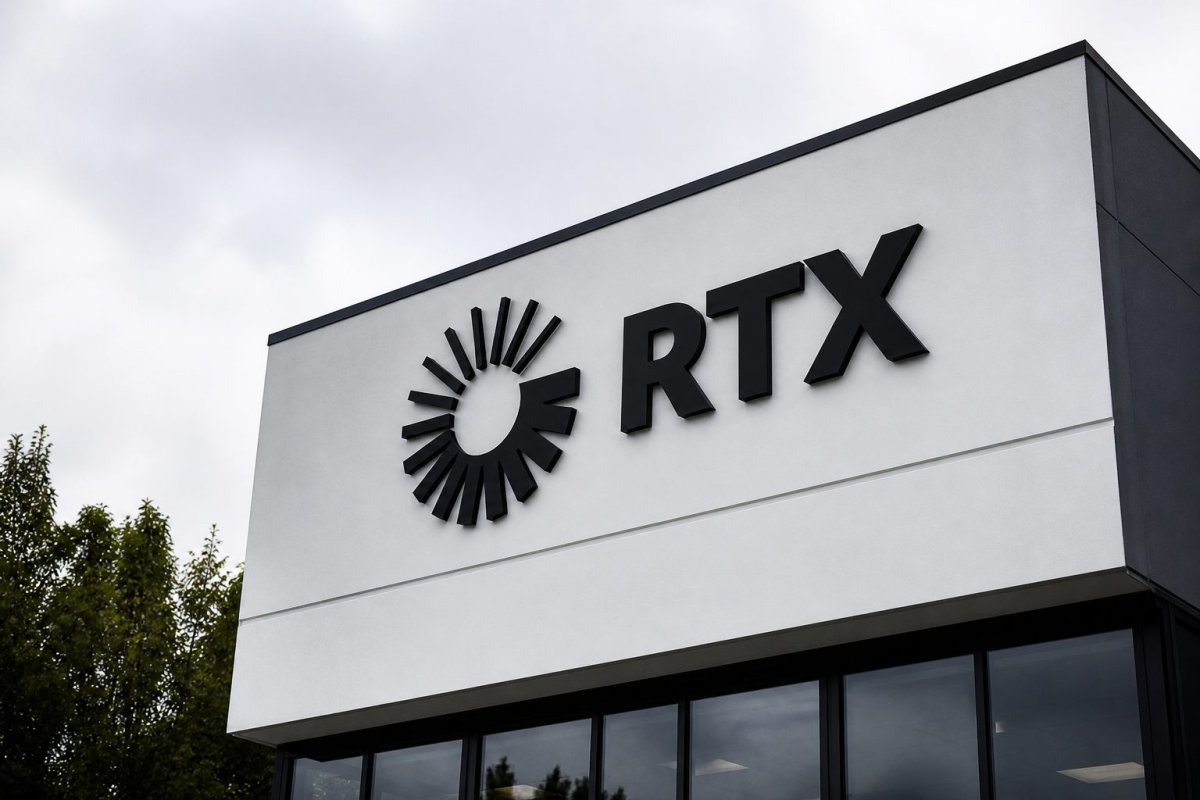
RTX Corporation has emerged as a central player in a series of major U.S.-approved arms sales to the Middle East, totaling over $8.6 billion. The State Department cleared the deals for Qatar, Kuwait, Israel, and the United Arab Emirates, with RTX serving as a principal contractor on two of the agreements. This development underscores the growing importance of missile defense systems in the region and positions RTX to benefit from sustained geopolitical demand.
Contract Details and Defense Backlog
In addition to the Middle East sales, RTX's Raytheon segment secured two significant U.S. military contract modifications. The Army awarded a $441.6 million modification for Patriot GEM-T (Guidance Enhanced Missile-Tactical) interceptors, with production slated for Chambersburg, Pennsylvania, and delivery expected by September 30, 2026. Separately, the Navy granted an $833 million modification for Evolved SeaSparrow Missile Block 2 assemblies and containers, covering the U.S. and allied buyers including Australia, Canada, Germany, Norway, Spain, and Turkey. This contract extends through September 2030.
Financial Performance and Outlook
RTX reported that Raytheon's first-quarter sales rose 10% year-over-year to $6.95 billion, driven by increased volume in land and air defense systems, including Patriot and naval munitions. The company raised its full-year adjusted sales guidance to a range of $92.5 billion to $93.5 billion and lifted its adjusted earnings per share outlook to between $6.70 and $6.90. CEO Chris Calio highlighted ongoing investments to boost production capacity amid robust defense demand.
Dividend Increase and Shareholder Returns
The board approved a 7.4% increase in the quarterly dividend, raising it to $0.73 per share. Shareholders of record as of May 22 will receive the payment on June 11. This move reflects the company's confidence in its cash flow generation even as it ramps up production to meet rising demand.
Market Context and Risks
Despite the positive contract news, investors face uncertainties. The State Department approvals do not guarantee immediate revenue recognition, and the timing of contract finalizations remains unclear. RTX management also noted that the company has already paid $500 million in tariffs under the International Emergency Economic Powers Act and is exploring refund options. These cost headwinds could pressure margins if production scales quickly.
RTX shares closed at $173.99 on Friday, down $2.08 for the day, with an intraday range of $173.34 to $177.07. The company's market capitalization stands at approximately $234.3 billion. The stock's performance reflects a cautious market stance as investors weigh the potential for revenue growth against execution risks and tariff impacts.
Broader Implications
The accelerated arms sales to the Middle East highlight the strategic importance of missile defense systems in the region. RTX's involvement in both Patriot and SeaSparrow programs positions the company to capture a significant share of the growing defense budget. However, the company must navigate supply chain constraints, production ramp-up challenges, and geopolitical uncertainties to fully realize the benefits of these contracts.