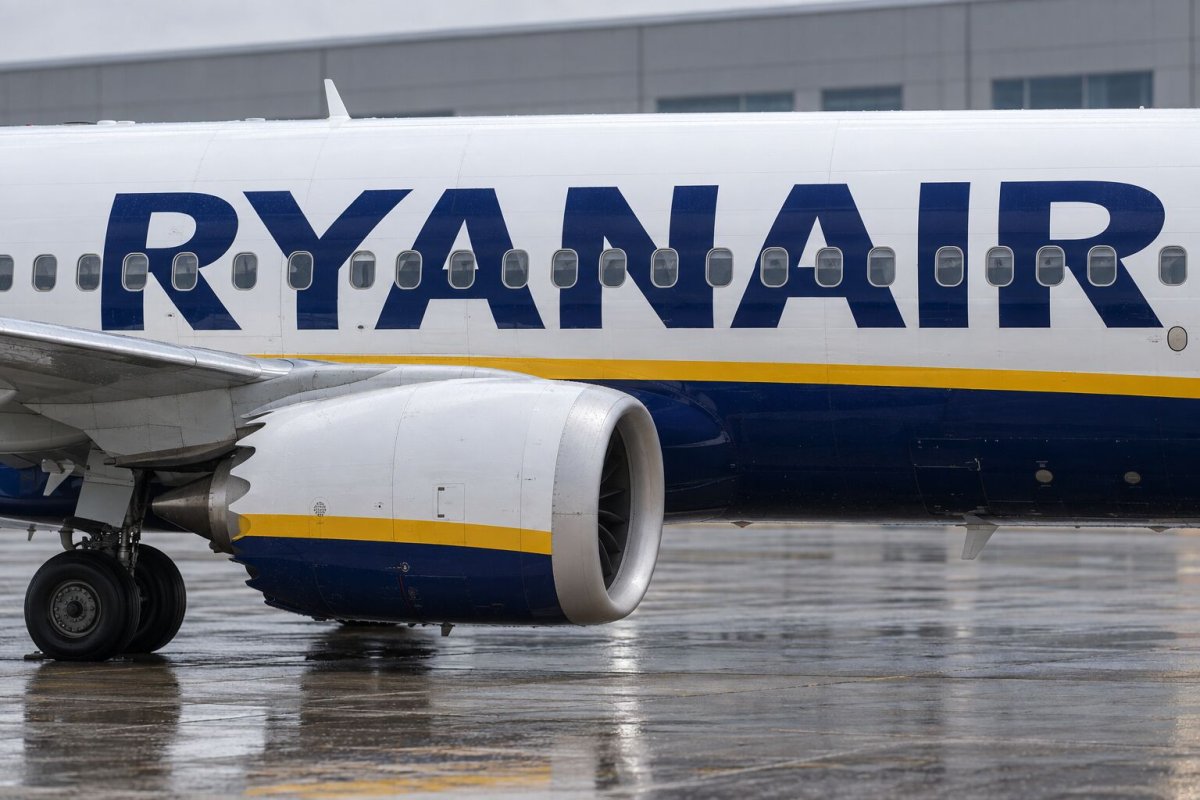
Ryanair Holdings (NASDAQ: RYAAY) experienced a 1% decline in its U.S.-listed shares on Tuesday, following a weekend of operational turmoil in the UK. However, industry analysts suggest that the more significant challenge for the airline lies in its fuel hedging strategy, not the temporary passenger disruptions.
The Irish low-cost carrier reported that a UK air traffic control system failure on September 8 led to delays for over 65,000 passengers, with some waiting up to eight hours, and forced more than 50 flight cancellations. Ryanair attributed the issue to NATS, noting that UK air traffic control charges have risen 28% since 2022. The airline did not quantify the financial impact, and NATS has yet to release a cost estimate.
While the scale of the disruption is notable, it represents only about 1.3% of Ryanair's daily flight operations and a mere 0.03% of its annual traffic target. "A single day's disruption, unless it leads to recurring network failures or significant follow-on costs, is unlikely to fundamentally alter the earnings outlook," said a market analyst.
More concerning for investors is Ryanair's exposure to fuel prices. The airline has hedged 80% of its fiscal 2027 jet fuel needs, but the remaining 20% is unhedged. With oil prices having more than doubled to approximately $150 per barrel in the first quarter, fuel costs surged 16% to €1.69 billion, contributing to a 34% drop in profit after tax to €538 million.
In response, Ryanair has trimmed its fiscal 2027 traffic target from 216 million to 214 million passengers, a move aimed at reducing exposure to unhedged winter fuel. This 0.9% reduction still implies 2.9% growth from the 208 million passengers carried in fiscal 2026. "Demand remains robust, as evidenced by August traffic rising 6% to 22.2 million with a 96% load factor," the company noted.
The airline's financial position provides some buffer. Ryanair reported €2.7 billion in net cash at the end of June, an almost undrawn €1.1 billion revolving credit facility, and an unencumbered fleet. It is also nearing completion of a €750 million share buyback, having repurchased over 25 million shares at an average price of €26.35.
For investors, the key question is whether Ryanair can maintain its cost advantage while growing to 214 million passengers without sacrificing fare economics. If unhedged fuel prices remain high and the airline continues to discount fares to fill seats, further capacity cuts could protect cash but weaken the growth narrative. "The bearish scenario is clear: if fuel stays expensive and Ryanair keeps discounting, the stock could face continued pressure," said the analyst.
On Tuesday, Ryanair's ADR closed at $54.82, down 1% from Friday's close, while its ordinary shares in Dublin rose 0.6% to €22.88. The divergent moves underscore the complexity of assessing the airline's prospects amid multiple operational and financial headwinds.