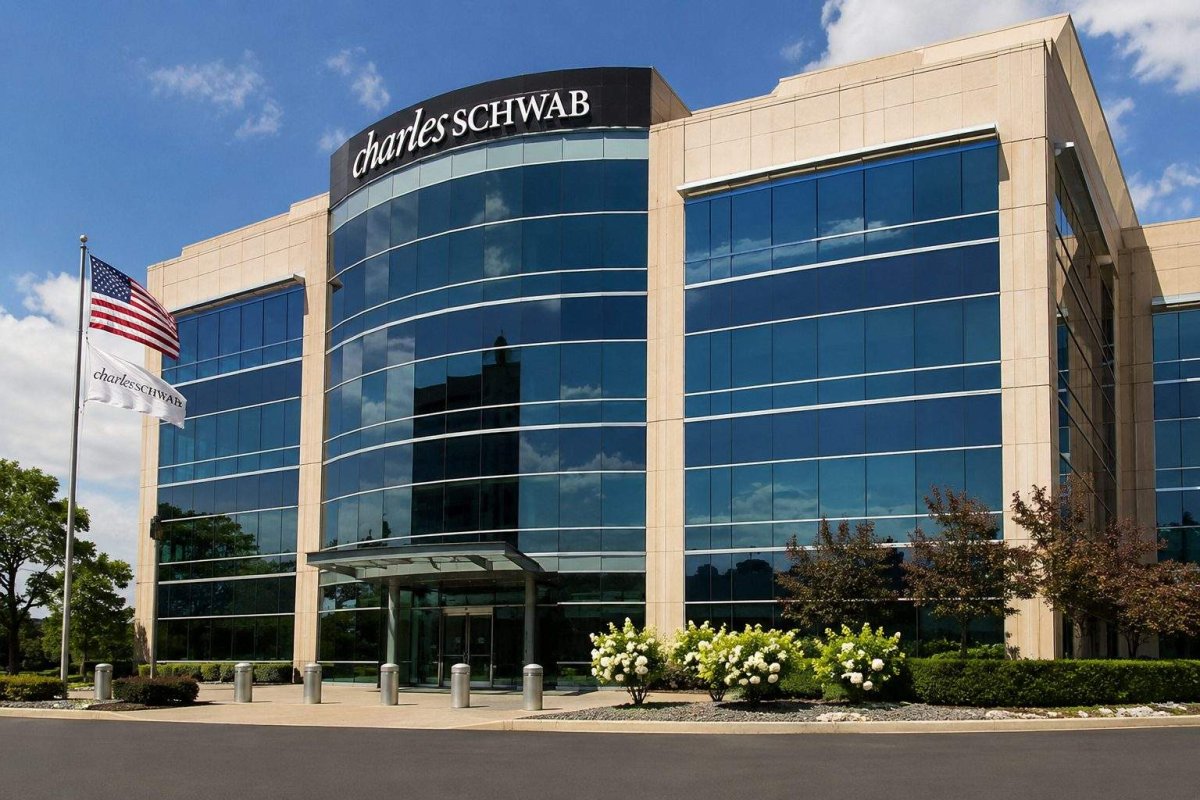
Charles Schwab (SCHW) enters a shortened trading week with investors closely scrutinizing potential threats to one of its most profitable revenue streams: idle client cash. U.S. markets were closed Monday for Memorial Day, with the NYSE observing the holiday on May 25, 2026. The stock closed Friday at $90.15, down 0.29% for the session and roughly 0.8% below its May 15 close. Despite a midweek slide, the broader market saw gains, with the S&P 500 extending its winning streak to eight consecutive weeks.
The core concern centers on sweep cash—idle brokerage funds that are automatically moved into interest-bearing accounts. A recent Barron’s report highlighted that artificial intelligence tools could enable clients to more easily redirect these funds into higher-yielding products, such as money-market funds. This trend could pressure Schwab and other brokerage firms, including LPL Financial and Raymond James, by reducing the low-cost deposits that support their net interest income.
Schwab’s financial results for April showed robust performance. Client assets reached $12.61 trillion, a 27% increase year-over-year. Core net new assets totaled $7.2 billion, though tax-related withdrawals tempered the figure. Daily average trades hit a record 10.3 million. The company also raised its 2026 revenue growth forecast to 14%–15%, up from the previous target of 9.5%–10.5%, during its investor day earlier this month.
CEO Rick Wurster expressed confidence in the firm’s trajectory, stating, “We should be a much bigger business.” In the first-quarter earnings release, Wurster noted “strong business momentum continued into 2026,” with clients opening 1.3 million new brokerage accounts and bringing in $140 billion in core net new assets. CFO Mike Verdeschi highlighted the company’s diversified model, which delivered record results despite an “uncertain macroeconomic environment.”
Schwab’s management has indicated it will not venture into speculative areas like meme coins or prediction markets. Wurster emphasized that the firm is in the “outcomes business” and will not launch products solely to boost transaction counts. Instead, Schwab is focusing on lending, advisory services, workplace retirement plans, and leveraging AI for wealth management.
However, the same AI capabilities that enhance client experience could accelerate cash outflows. If clients can easily shift idle cash to higher-yielding alternatives, Schwab’s net interest income—the difference between what it earns on assets and what it pays on deposits—could come under pressure. Analysts are divided on the magnitude of this risk. Goldman Sachs’ Alex Blostein noted that higher-yielding default options from competitors are not currently driving asset flows. Truist’s David Smith questioned whether the added income is “worth it to most customers.” Citizens analyst Devin Ryan suggested the “AI/cash overhang” may persist, but Schwab can still “grow through the debate.”
This week’s economic calendar is packed with key data releases, including consumer confidence, jobless claims, new home sales, revised first-quarter GDP, and the personal consumption expenditures (PCE) index—the Federal Reserve’s preferred inflation gauge. These reports will influence rate-sensitive financial stocks and set the tone for Schwab’s performance.
Investors now face a balancing act: weighing Schwab’s strong client growth, record trading volumes, and improved revenue outlook against the potential for AI-driven cash migration to erode deposit spreads. Tuesday’s market open will provide the first indication of how the market is pricing these competing forces.